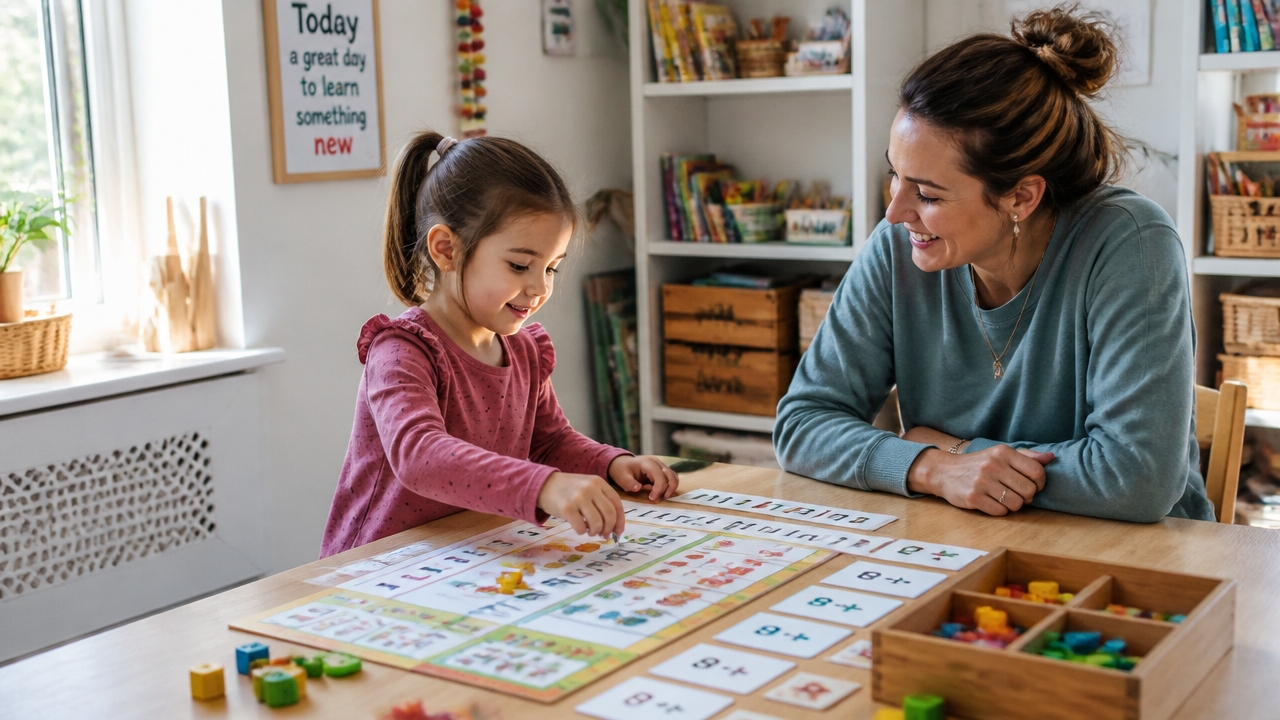
Like a well-loved story, your family can transform rainy days into memorable math adventures with these engaging activities. With just a little creativity and some readily available materials, early learners can enjoy 21 curated games and crafts that work rain or shine, fostering both bonding and critical math skills.
From indoor card-based war games to outdoor treasure hunts, each activity is easily adaptable to your home, yard, or local park. These playful learning ideas are perfect for children aged 3 to 8 and designed to be simple to set up, requiring only basic supplies like playing cards, printable maps, or household items.
They offer a fantastic mix of hands-on manipulatives, geometric exploration, counting challenges, and problem-solving tasks, making math both fun and meaningful regardless of the weather.
Keep exploring these creative activities because they may become your go-to solutions for making math fun, interactive, and family-friendly, come rain or shine.
Why Rain or Shine, Math Games Boost Early Learning
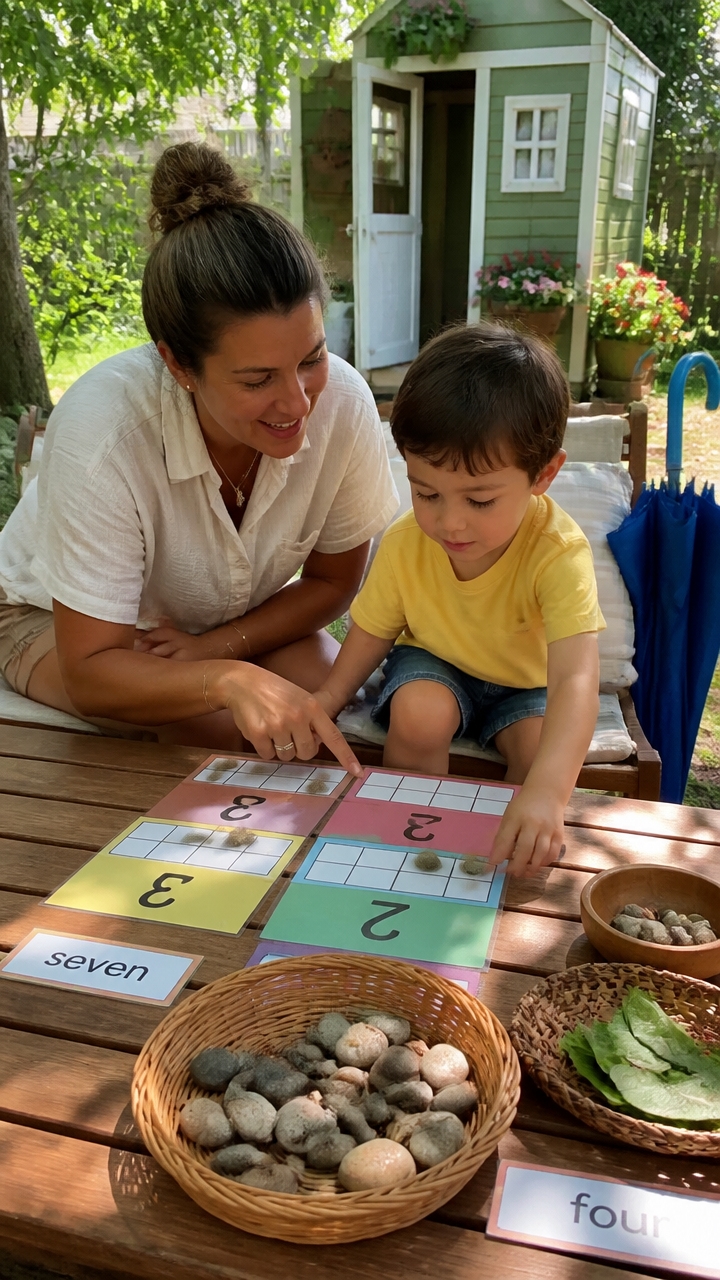
Rain or shine, math games can bring your family laughter, learning, and lovely bonding moments. Use simple activities like Addition War or Tens Go Fish, encouraging fun learning and foundational skills. These games foster flexible thinking, boost confidence, and create a safe environment. Incorporating creative activity ideas can make math even more engaging and help develop a child’s problem-solving abilities. A great way to keep kids engaged, making learning math a cheerful, stress-free experience for everyone.
How to Set Up Indoor Math Activities for Any Weather
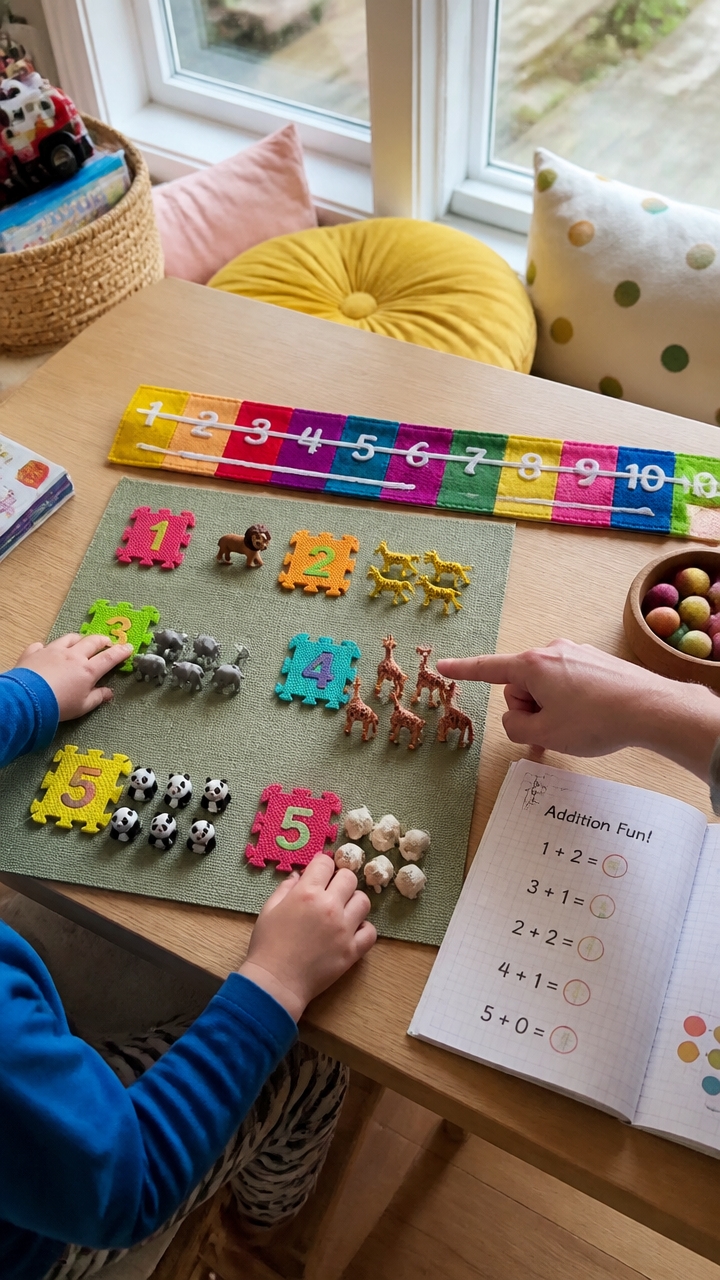
Indoor math activities can be playful and adaptable, no matter what the weather’s doing outside. To set up safe math activities and boost number recognition, prepare large laminated number or shape flashcards. Use masking tape or Velcro to create activity stations. Incorporating fine motor skills into these activities can enhance preschoolers’ hand-eye coordination and dexterity while they learn. It’s a fun way to keep learning lively, memorable, and perfect for bonding with your family on rainy or chilly days.
Fun Outdoor Math Scavenger Hunts for Rainy or Sunny Days
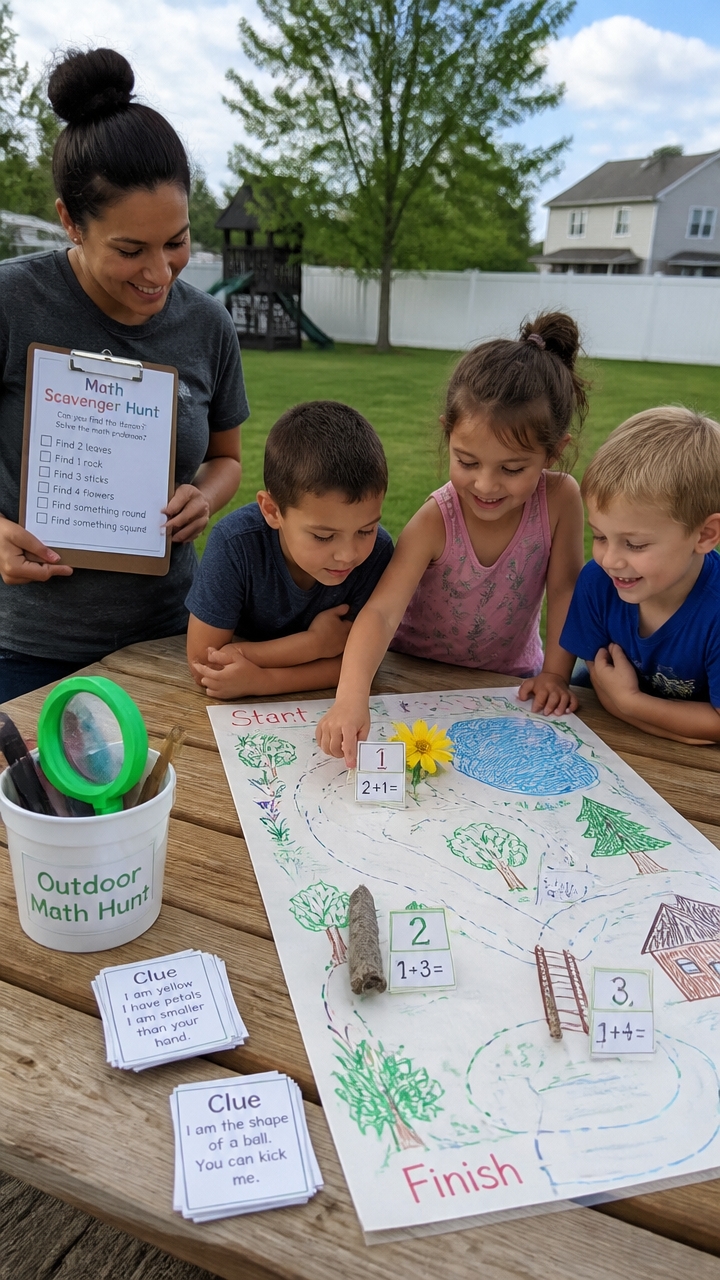
Getting outside for a fun outdoor math scavenger hunt is a wonderful way to turn a sunny or rainy day into an adventure filled with learning and laughter. Use safe, waterproof materials for rainy days and open spaces when sunny. Find leaves, rocks, or sticks, count and sort them, and work together. It’s a perfect way to build Math Skills while having fun in nature! Incorporating themed learning activities like this can enhance engagement and creativity during outdoor play.
Shape Sorting With Household Items for Young Learners
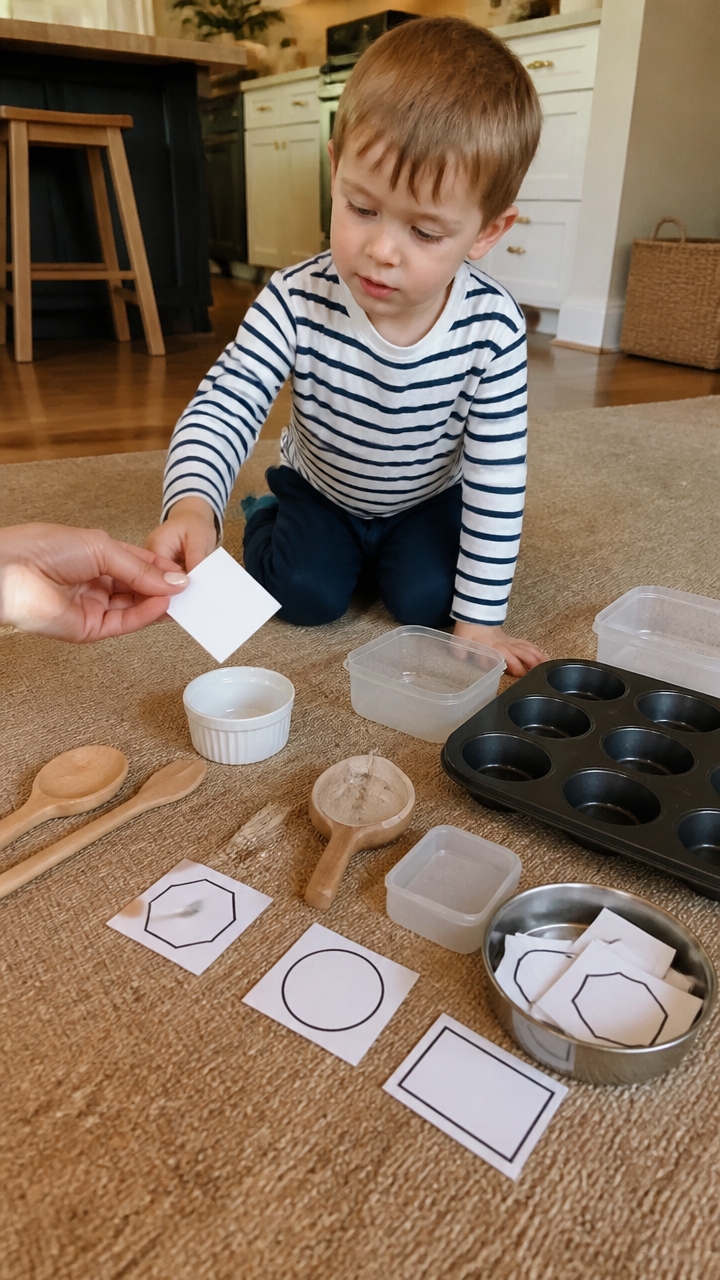
Introducing shape sorting with household items is a fantastic way to turn everyday things into a laughter-filled learning experience. Gather common items like lids, boxes, and utensils, then create a shape sorter. Encourage your family to recognize shapes, colors, and sizes, making it safe and fun. It’s a playful, hands-on activity that strengthens shape recognition and develops fine motor skills, creating unforgettable bonding moments.
Nature-Based Activities to Count and Sort Outdoors
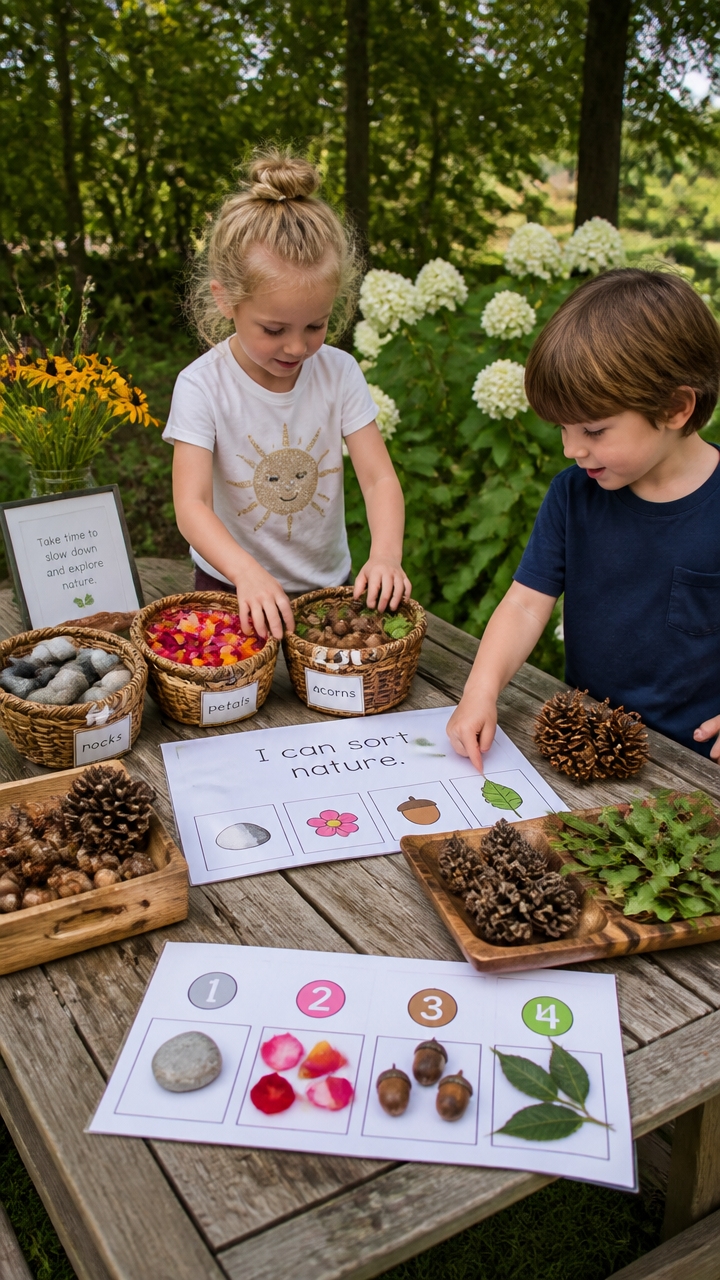
Spending time outdoors with nature provides the perfect setting for fun math adventures that are full of learning, laughter, and bonding. Here are some playful ideas:
- Gather sticks, leaves, or rocks, and sort them by color or size. It’s a great way to develop sorting skills safely.
- Collect natural items and create visual number charts. It’s a joyful way to explore counting and one-to-one correspondence.
- Play scavenger hunts, looking for specific items, and practice counting. It’s a fun, active way to reinforce math skills.
Easy Card Games to Reinforce Basic Math Skills
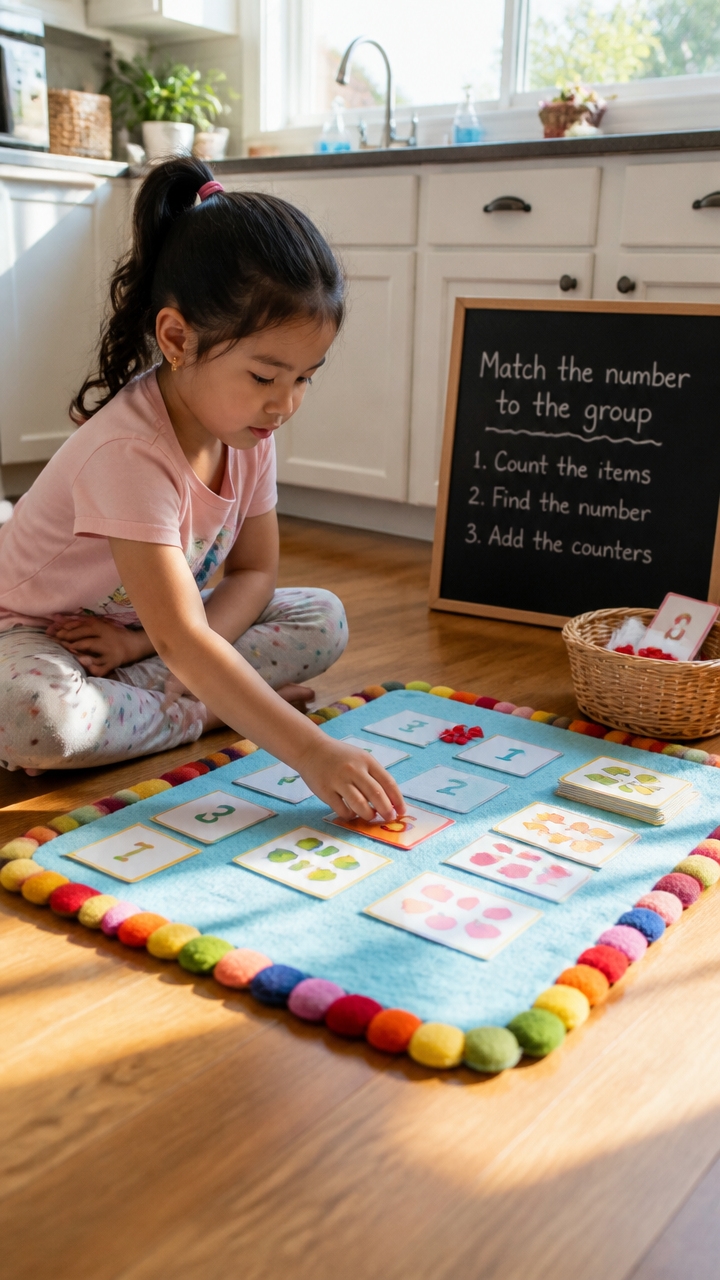
Playing card games is a perfect way to make math practice fun, memorable, and full of laughs. Try easy card games like Addition War, where kids draw cards, add the numbers, and see who wins. Use a standard deck, keep it safe, and focus on math concepts. It’s a fantastic way to build confidence and enjoy learning together.
Card War Games to Practice Addition and Subtraction
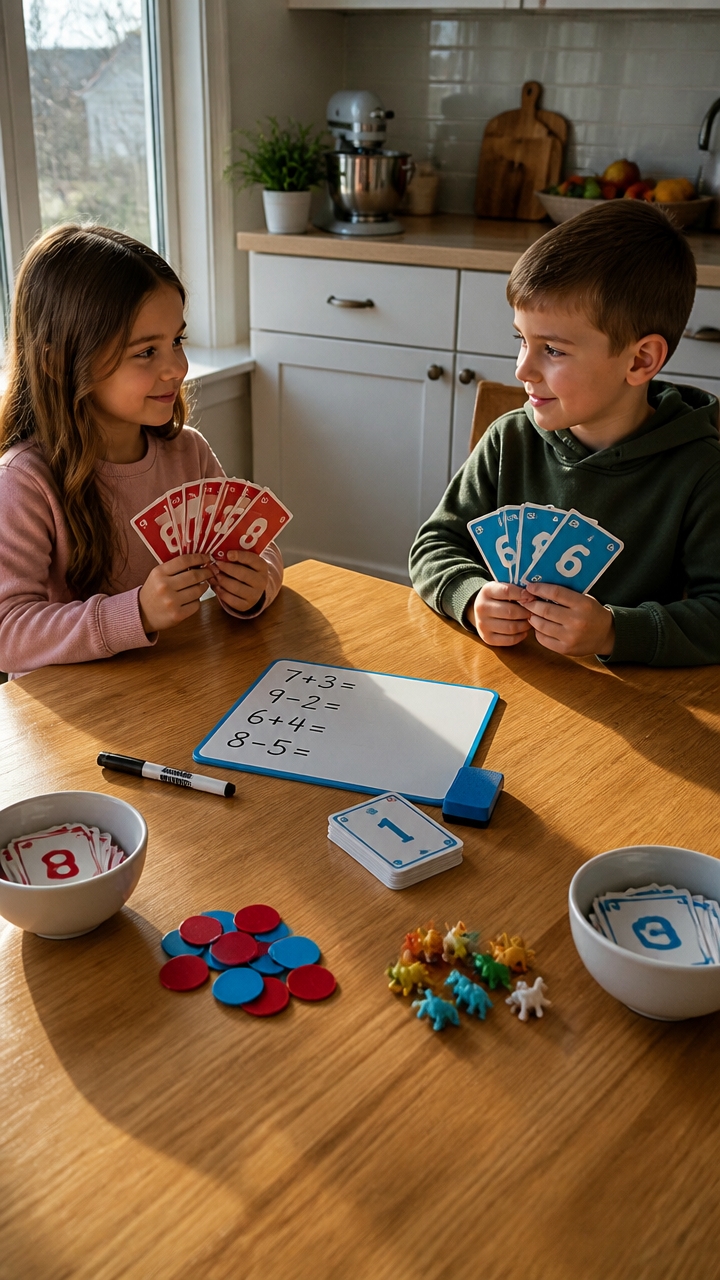
Freshen up your game night with card War games focused on addition and subtraction, they’re simple, but guaranteed to bring lots of laughs and learning. Use a standard deck, remove face cards if needed, and take turns drawing. It’s a safe, engaging way to boost math confidence, build number sense, and have fun. A great way to bond and practice addition and subtraction in a cheerful, low-pressure way.
Dice Games for Probability and Building Number Lines
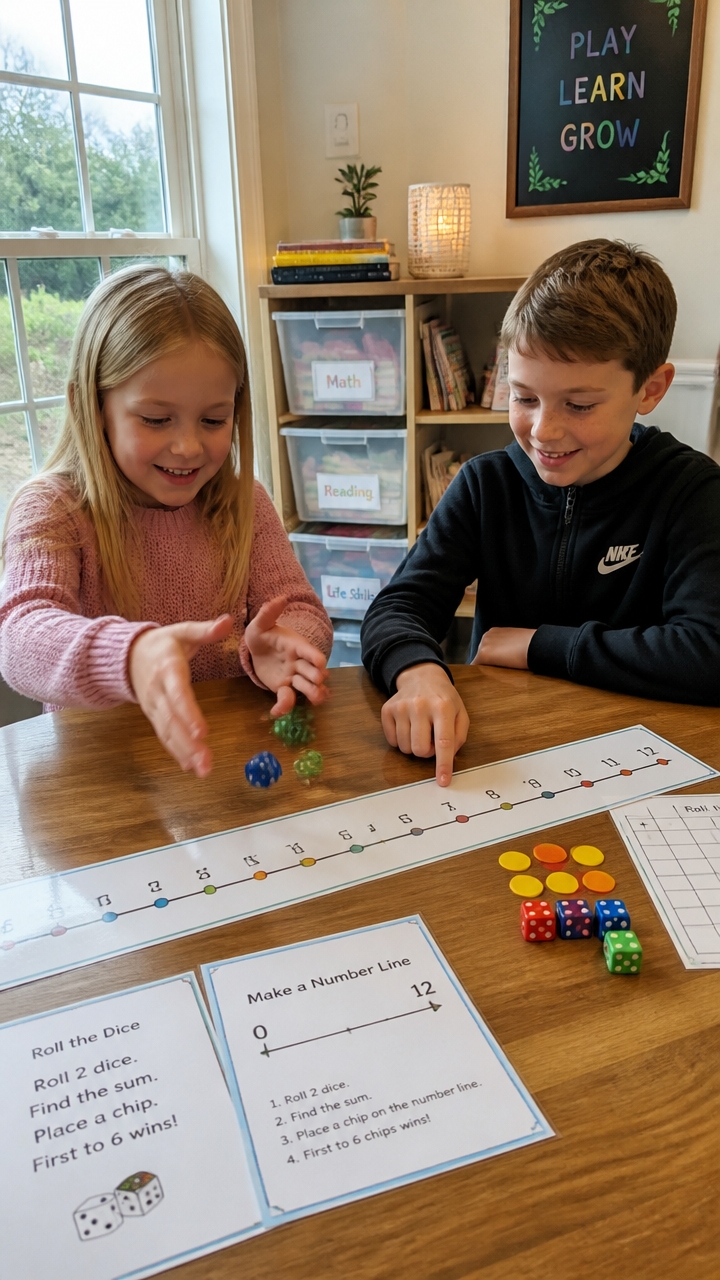
Imagine a fun way for your family to explore probability and build number skills with just a handful of dice. Use two dice to roll, then create a number line on paper, marking your scores. Incorporate dice games where everyone counts, adds, and practices recognizing numbers. It’s a great way to foster confidence, encourage teamwork, and turn learning into a joyful, memorable adventure.
Using Everyday Objects to Teach Fractions and Measurement
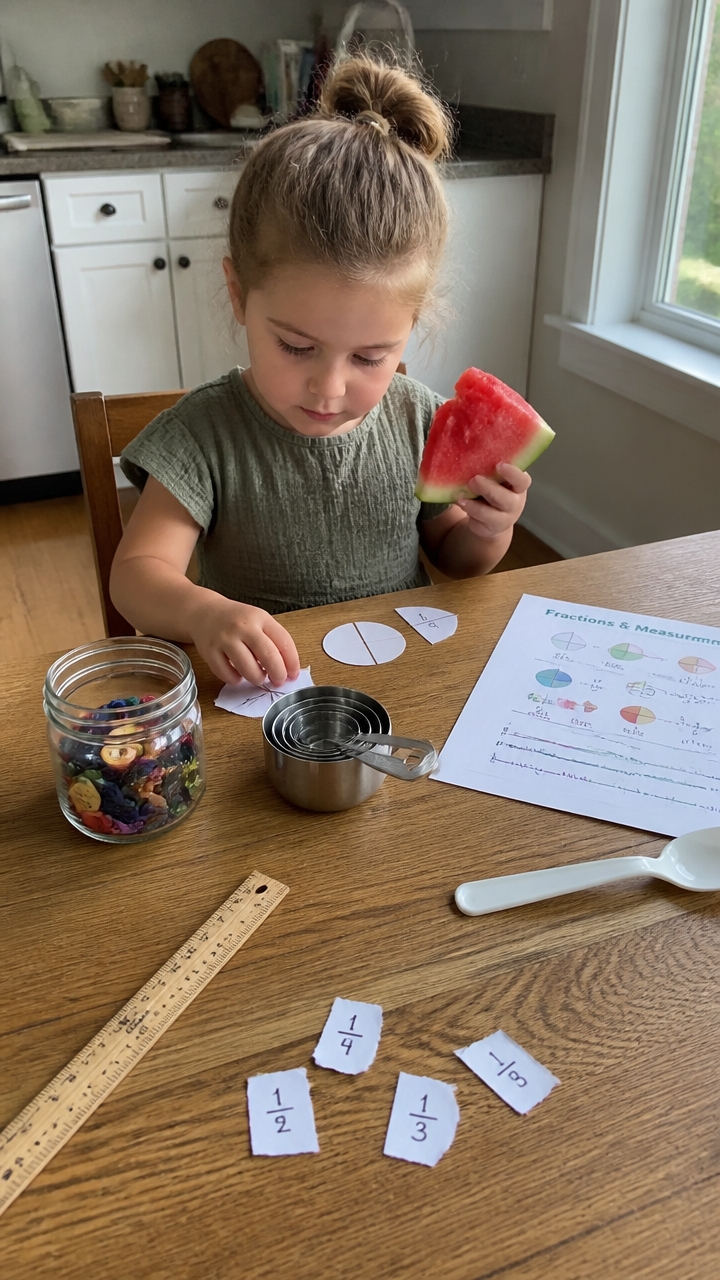
Using everyday objects can turn simple activities into fun learning adventures that bond your family. Try slicing fruits or vegetables into halves or quarters to teach fractions in a safe, visual way. Use measuring cups with water or rice to explore measurement, emphasizing volume and size. Baking with fractional recipes, or sorting laundry by size, makes math practical and memorable, creating laughter and lasting learning bonds.
Create Color and Pattern Sorting Games With Recyclables
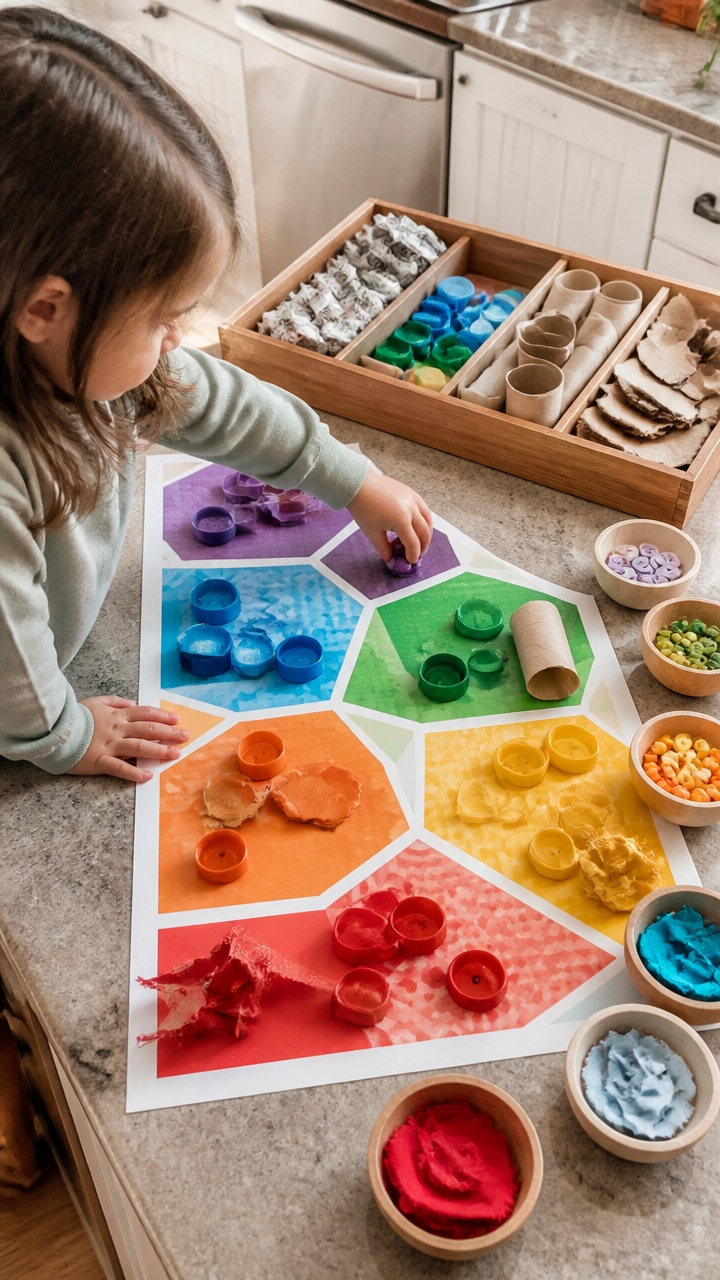
Getting your family involved in color and pattern sorting with recyclables can lead to many hilarious and heartfelt moments. Use recyclable items like bottle caps, paper scraps, or containers to enhance pattern recognition and sorting skills safely. Create patterns, collage, or scavenger hunts, fostering learning. It’s a playful, engaging way to bond, learn, and make cheerful memories together.
Design Year-Round Math Board Games for Small Groups
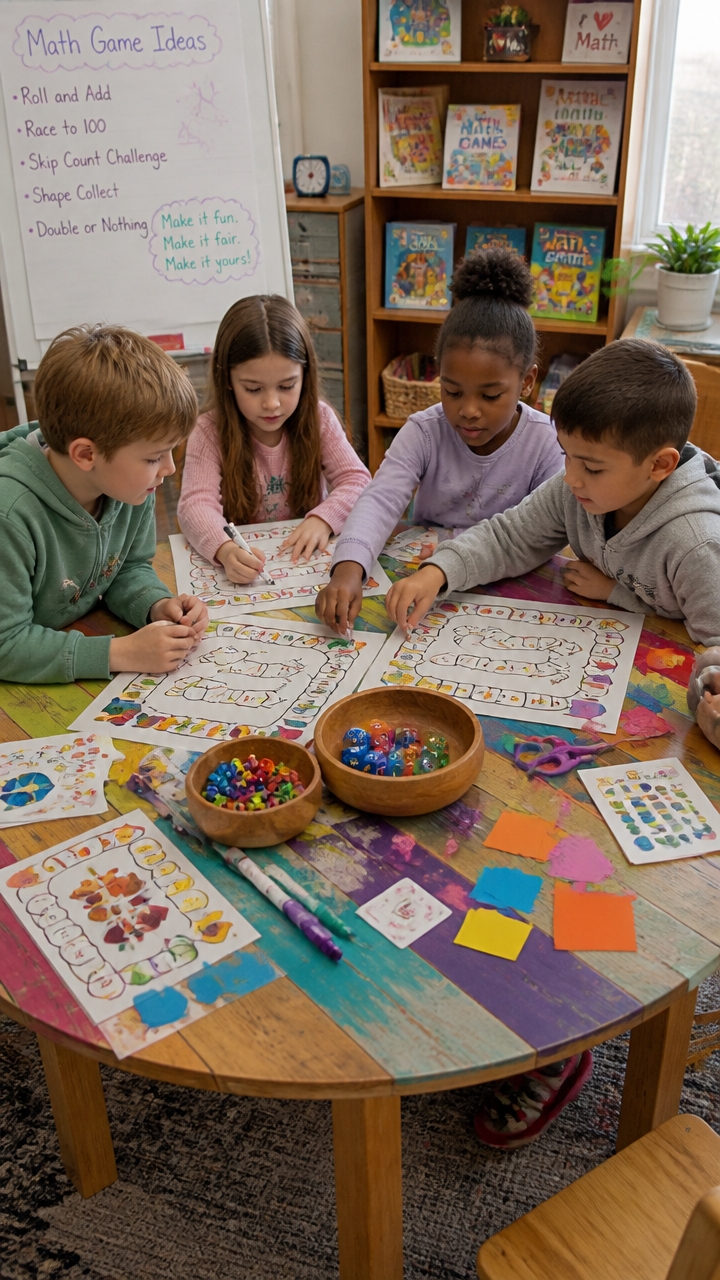
Creating year-round math board games for small groups is a fun way to keep your kids engaged, learning, and laughing together. Use simple materials like dice, cards, and game boards, and add competitive or cooperative rules for math fun. It’s a great way for children learn while building teamwork, and you’ll love seeing their confident, joyful smiles during every session.
Active Play: Move and Count Games for Mobility and Math
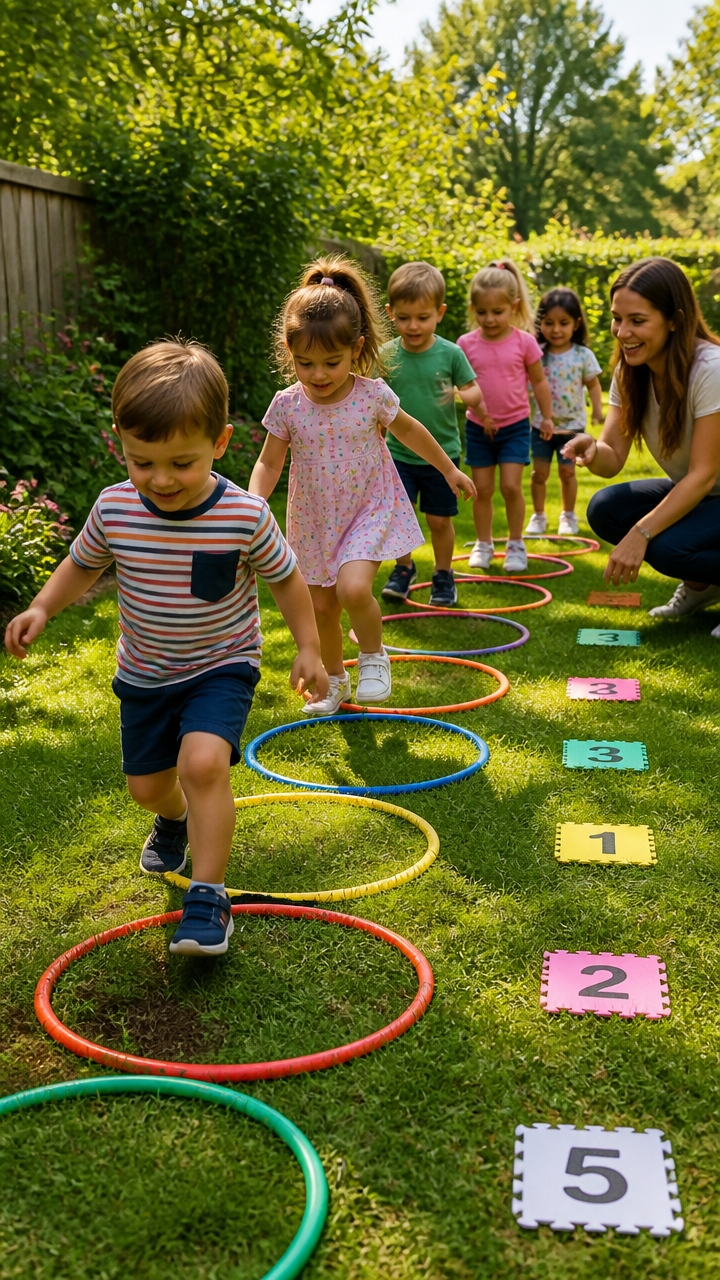
Laughter and movement turn learning into an unforgettable adventure. For safe, active play, try:
- Jump to flashcards, peeking at math facts, while staying within the room’s space. It’s a lively way to reinforce learning.
- Race around the room, skipping counts by twos or fives, in a musical style. It’s a joyful blend of movement and math mastery.
- Roll dice, then perform silly actions based on the numbers showing. It’s a tactile, fun way to boost number recognition.
Outdoor Natural Materials for Pattern and Sequencing Activities
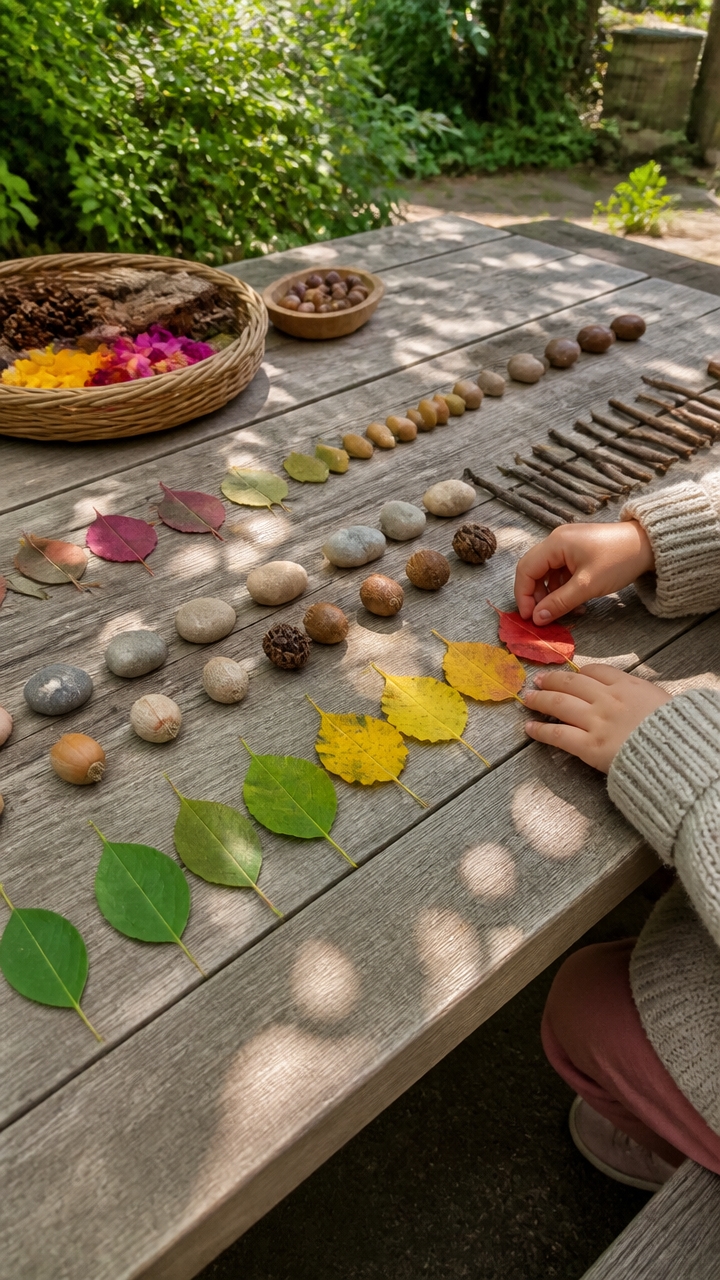
Nature is full of endless colors, shapes, and textures that can make outdoor learning unforgettable. Use natural materials like leaves, rocks, and flowers to practice pattern sequencing. Encourage your family to arrange these items in creative ways, mix colors and shapes, and extend patterns. It’s a safe, joyful way to build critical thinking while connecting to the great outdoors.
Time-Based Games With Stopwatches to Develop Number Sense
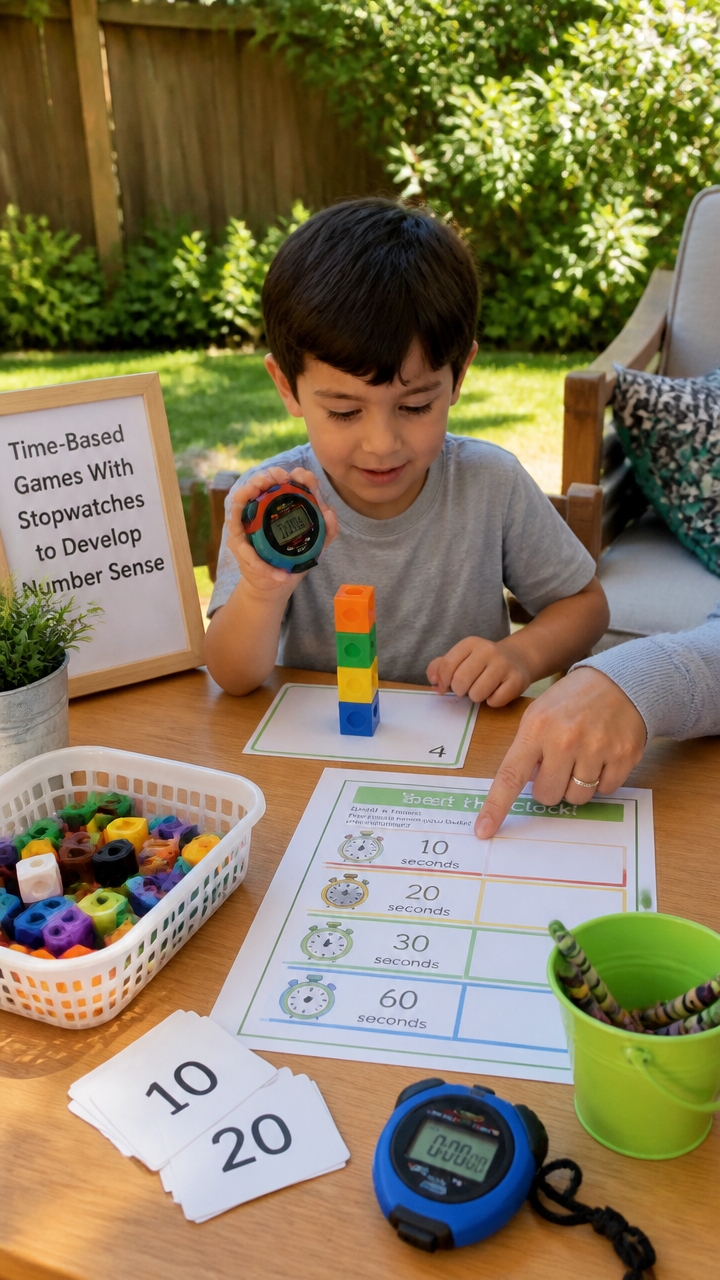
Time-based games with stopwatches are a fun way to build your child’s number sense and quick thinking. Encourage safe play by supervising, using a simple stopwatch, and choosing quiet spaces. 1. Challenge your child to count to ten as fast as possible, then cheer them on. It’s a joyful way to boost their confidence and numerical skills.
Incorporate Math Into Routine Tasks: Grocery Shopping and Cooking
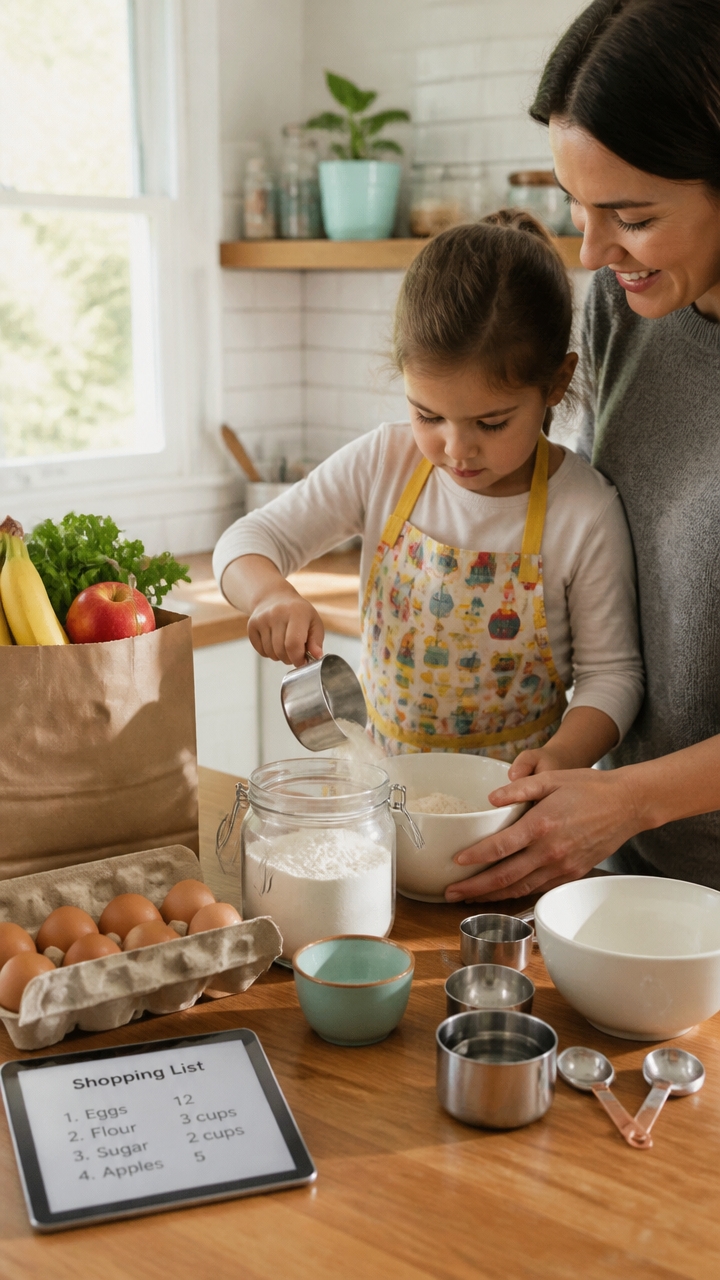
Incorporating math into your daily routines can turn ordinary tasks into fun learning moments your family will cherish. At the grocery store, involve your kids in comparing prices, sorting fruits, or estimating totals for hands-on learning. Cooking also offers chances to explore measurements and fractions. It’s a joyful way to bond, learn, and make everyday chores unforgettable.
How to Adapt Math Activities for Rain and Shine
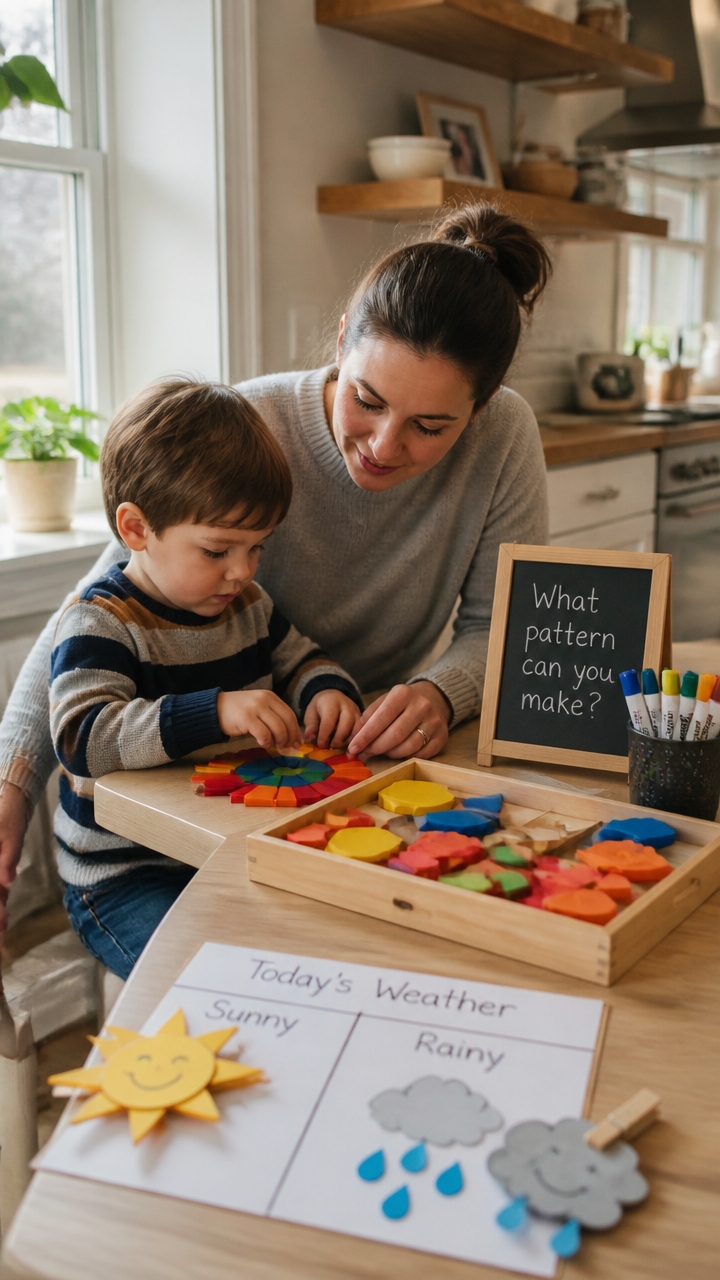
Rain or shine, you can still turn math time into a fun-filled bonding experience. Young children love searching, so hide number cards around your home for a safe, interactive number hunt. Teach them to find, gather, and identify each one. It’s a charming way to boost number recognition, foster exploration, and create laughter, cherished moments you’ll remember forever.
Top Digital Math Apps for Indoor and Outdoor Play
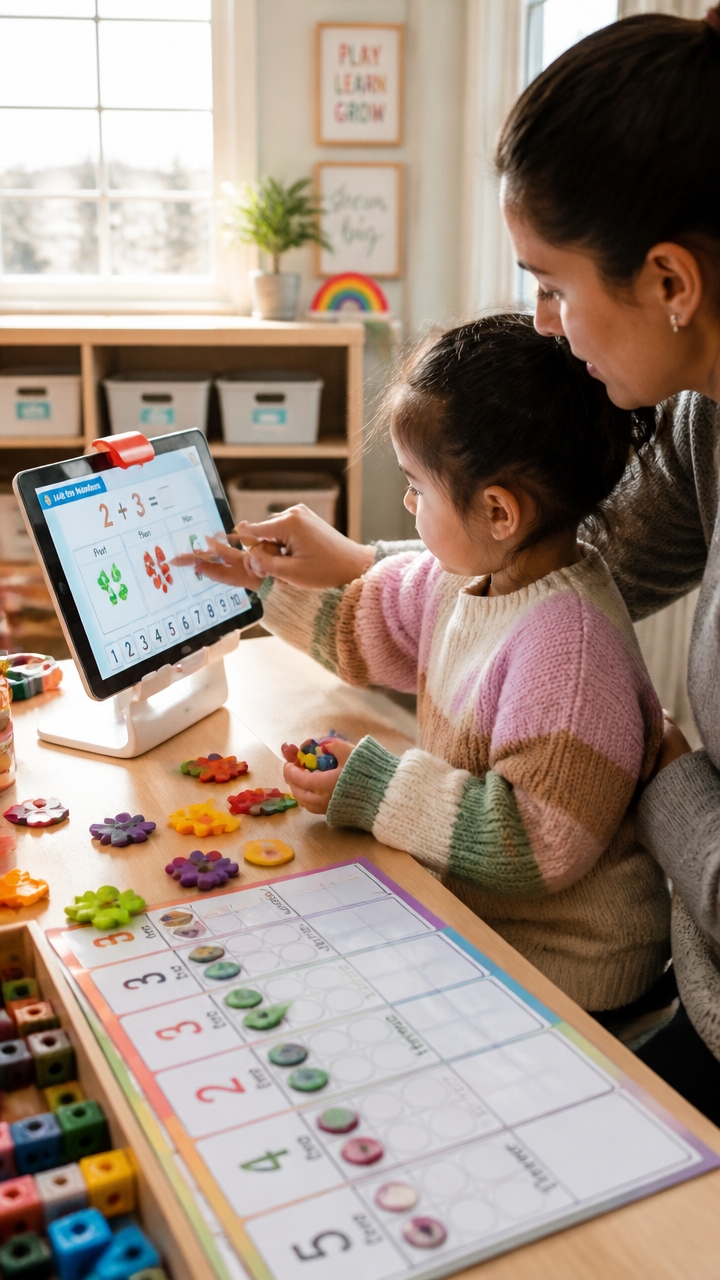
Getting your kids excited about math doesn’t have to mean sitting at a desk. Use digital math apps like Prodigy and SplashLearn for safe, interactive experiences, perfect indoors or outdoors. These apps adapt to your child’s pace, offering engaging challenges, rewards, and visuals. It’s a wonderful way to foster math learning, keep kids motivated, and make studying fun everywhere you go.
Real-Life Math Challenges to Spark Critical Thinking
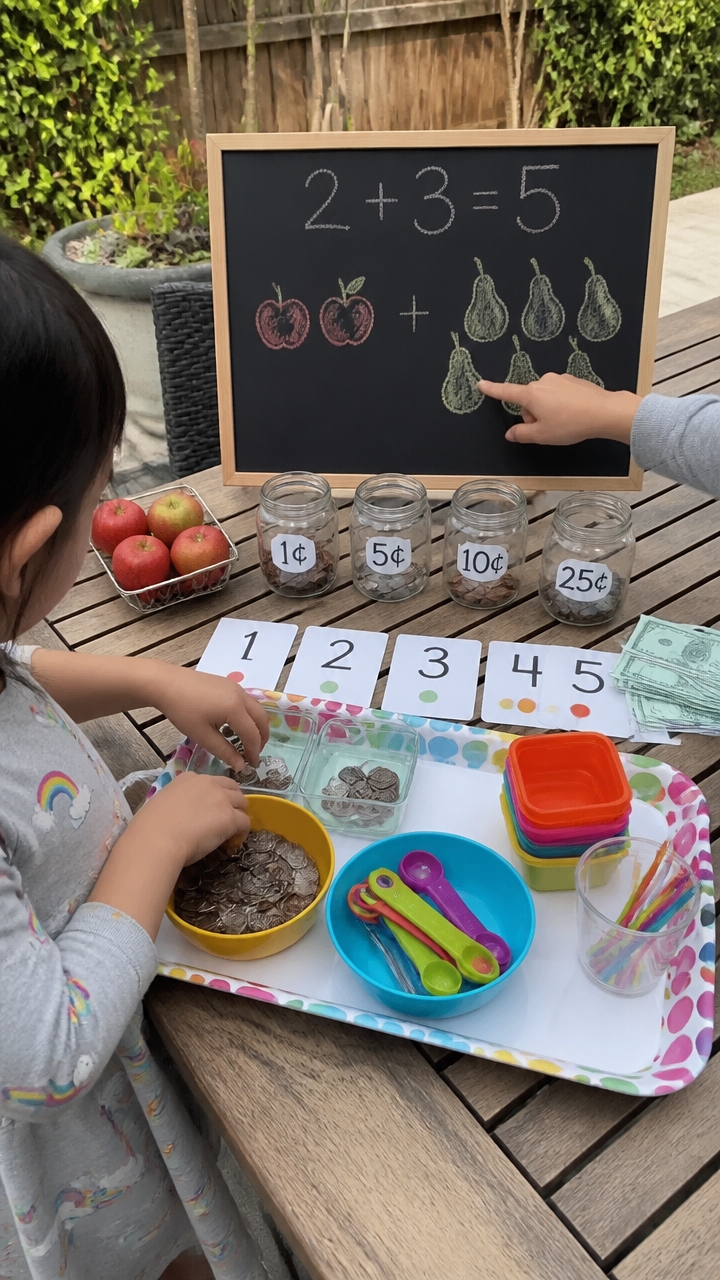
Have you ever thought about how everyday activities can turn into fun math adventures? These real-life math challenges spark critical thinking and safety. 1. Plan a shopping trip with a budget, using pretend money and grocery lists, it’s a practical way to practice addition and subtraction. 2. Bake cookies, measuring ingredients together, an engaging intro to fractions and proportions. A great way to connect math to daily life.
Combining Indoor and Outdoor Math Play for Continuous Learning
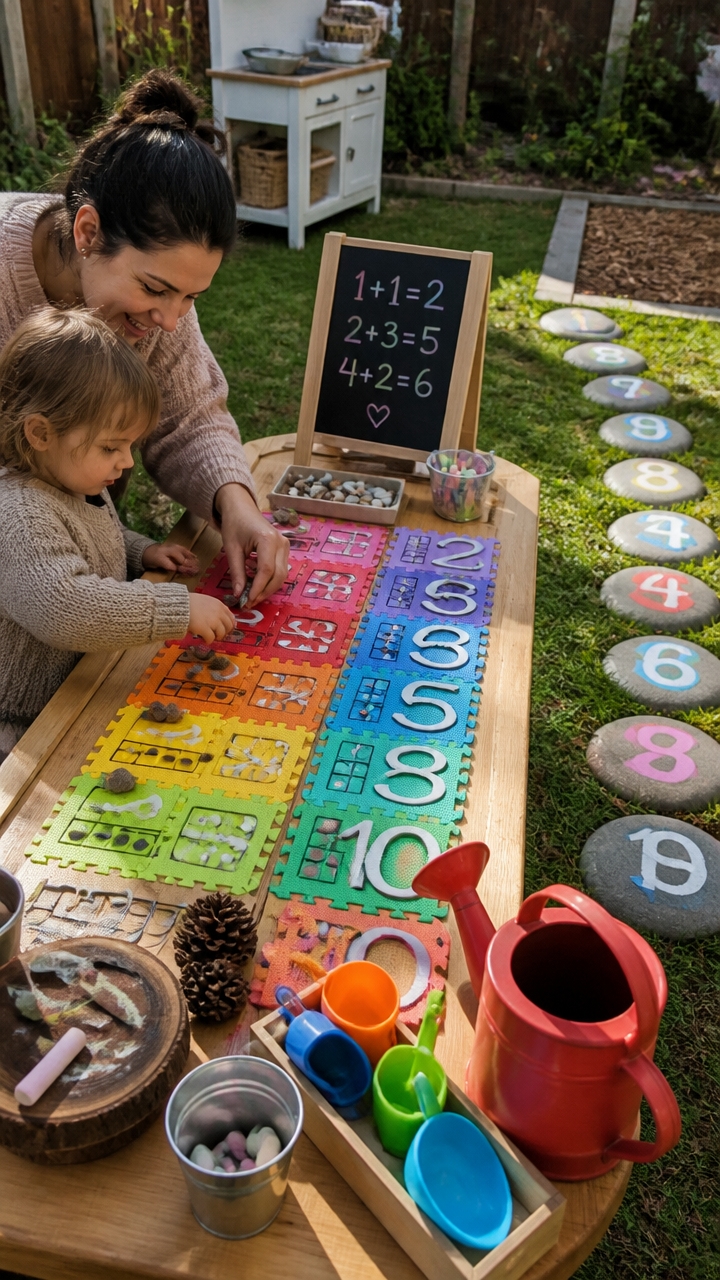
Bringing indoor and outdoor math activities together creates endless chances for fun and learning that stick. You can adapt indoor activities, like jumping flashcards, with outdoor math games such as nature scavenger hunts. It’s a safe way to explore numbers, sort natural items, or count objects. A great way to keep kids engaged, rain or shine, with laughter-filled, memorable experiences.
Tips for Inclusive, Engaging Math Games for All Kids
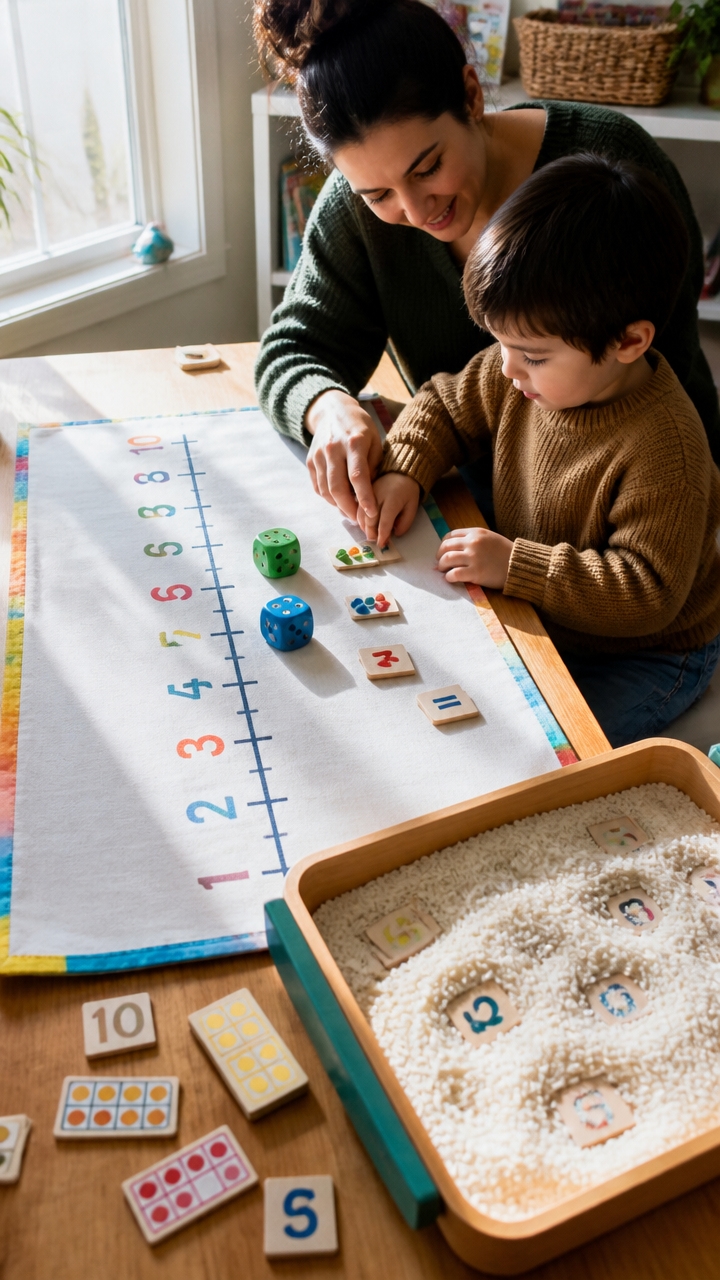
Every child learns differently, and healthy, joyful math games can help every kid feel included and excited.
- Use colorful cards, tactile objects, and visuals , it’s inclusive and sparks engagement.
- Create low-stakes, safe environments where children can take risks and learn from mistakes.
- Play collaborative games with varying skill levels , it’s a great way to promote teamwork and a positive math community.
How Rain or Shine Activities Help Sustain Long-Term Math Enthusiasm
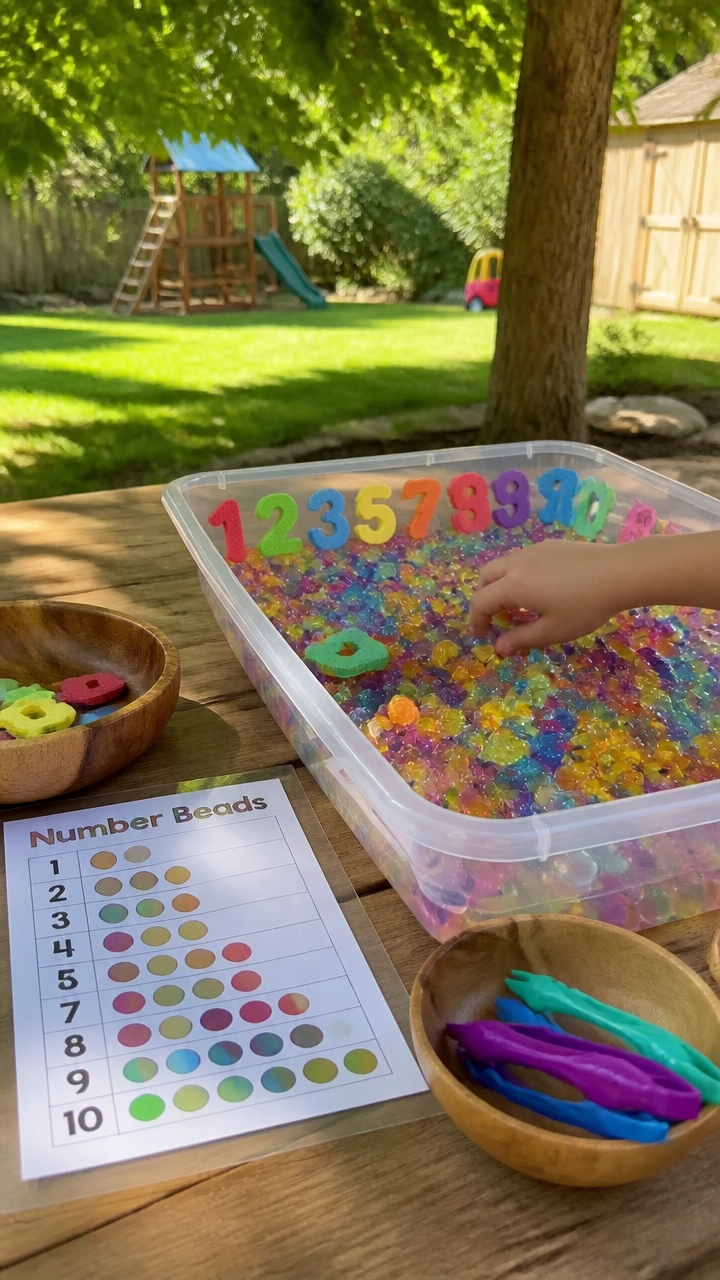
Rain or shine, maintaining a consistent love for math can be a wonderful way to strengthen your family bonds and keep learning fun. Engaging experiences, like creating math scavenger hunts or building shape puzzles indoors, learn at this age, and promote confidence. It’s a great way to make math memorable, joyous, and safe, whether outside or inside, rain or shine.
Final Takeaways
You’ll be amazed at how these simple, curated math game ideas can turn any day into a fun and engaging learning adventure. These activities are designed to boost problem-solving skills and confidence in young learners, making math both enjoyable and accessible. Whether you’re improvising with household items, exploring outdoors, or creating hands-on crafts, these ideas foster creativity, critical thinking, and joyful discovery.
These math games are versatile and easy to incorporate into everyday routines, whether in a classroom, homeschool setting, or family playtime. They promote meaningful interactions, strengthen bonds, and help children develop essential early math understanding while having fun. Keep experimenting and staying flexible, because every laugh and moment of discovery contributes to a positive, lasting math journey. Embrace these accessible activities to make math learning a cheerful and memorable part of every day.