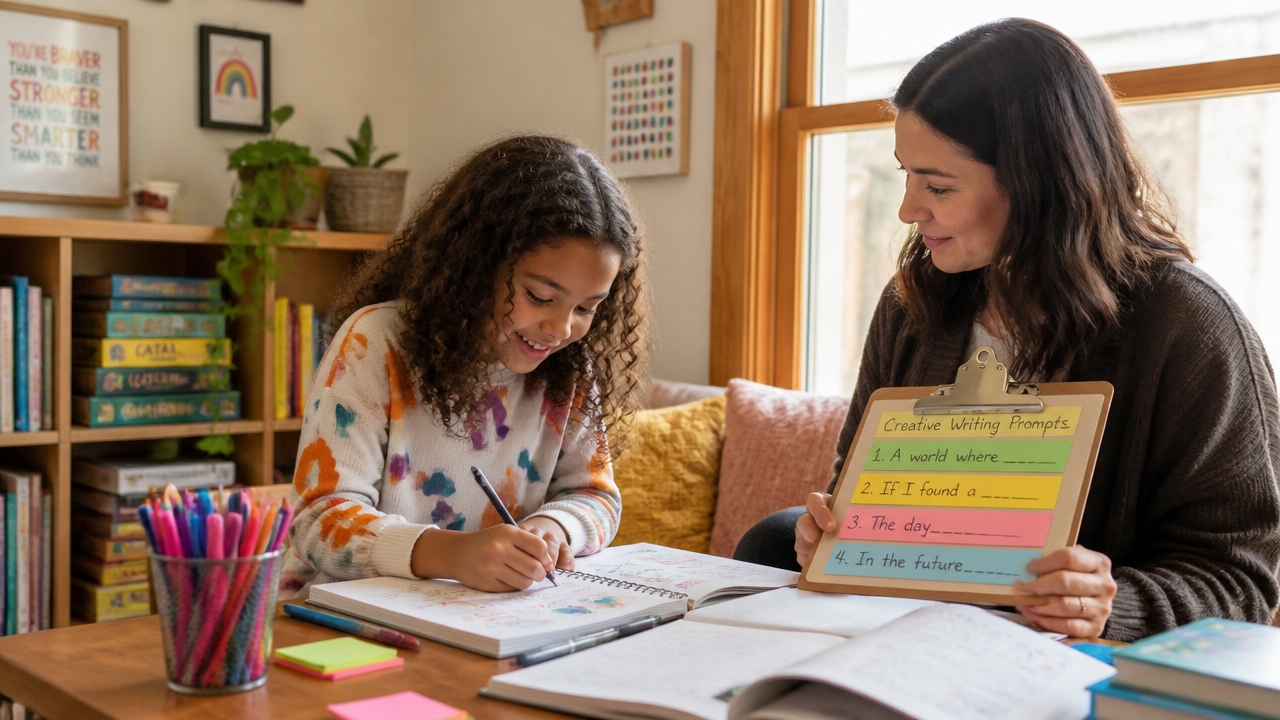
Imagine your children’s creativity as a spark that can light up even the most wild and unpredictable moments, leaving behind stories that make everyone smile. Engaging kids in writing activities packed with imagination not only fosters their storytelling skills but also nurtures their confidence, vocabulary, and expression.
To keep those sparks flying brightly throughout the day, try these 20 curated writing prompts that turn ordinary moments into extraordinary adventures, ensuring the experience remains fun, surprising, and truly unforgettable.
These prompts are perfect for families, teachers, and caregivers looking for easy-to-implement ideas that encourage children to explore their imagination through creative writing. Many of the prompts require minimal materials, such as paper, pens, or simple household items, making them accessible for children aged 6 to 12.
Whether it’s through storytelling, drawing combined with writing, or collaborative stories, these activities are designed to inspire giggles, spark chaos in a good way, and build lasting bonds.
But how do you keep that energy fresh and exciting all year long? The key is to turn everyday moments into creative adventures. With a little planning, you can transform a rainy day into an imaginative story-building session or an ordinary walk in the park into a nature-inspired writing challenge.
Together, you can explore new themes, introduce creative constraints, or incorporate playful elements, like writing with your non-dominant hand or using silly words, to keep the writing process lively and engaging.
Through these practical ideas, you’ll turn routine activities into memorable stories that will delight children and keep their creative spirits soaring all year round.
Why Creative Writing Prompts Make Learning Fun and Exciting in 2026
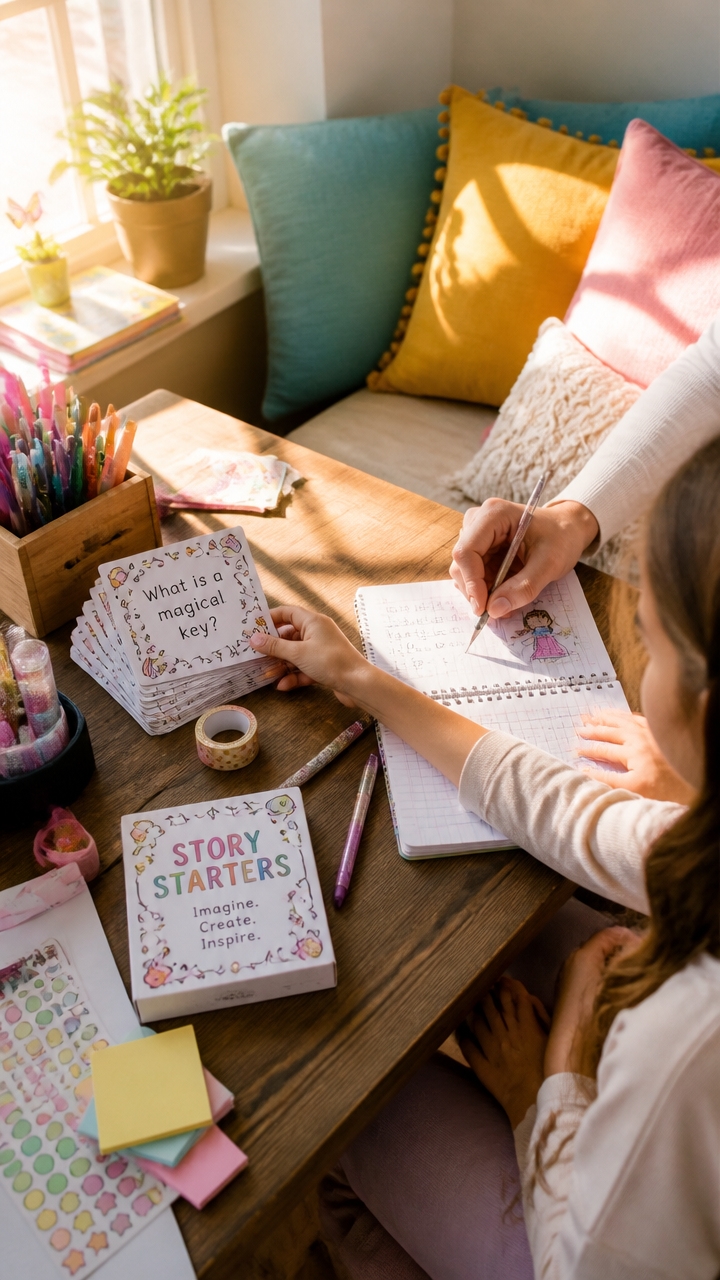
Creating fun and exciting learning moments with creative writing prompts can bring laughter and unforgettable bonds to your family. When you use Creative Writing Prompts, curate silly themes, encourage improvisation, and add colorful markers and paper. It’s a great way to spark imagination, develop critical thinking, and boost confidence, all while having fun. These moments turn learning into memorable, joyful experiences. Incorporating creative kindness challenges into writing activities can further foster empathy and positive relationships among kids.
How to Choose Age-Appropriate Prompts That Inspire Young Writers
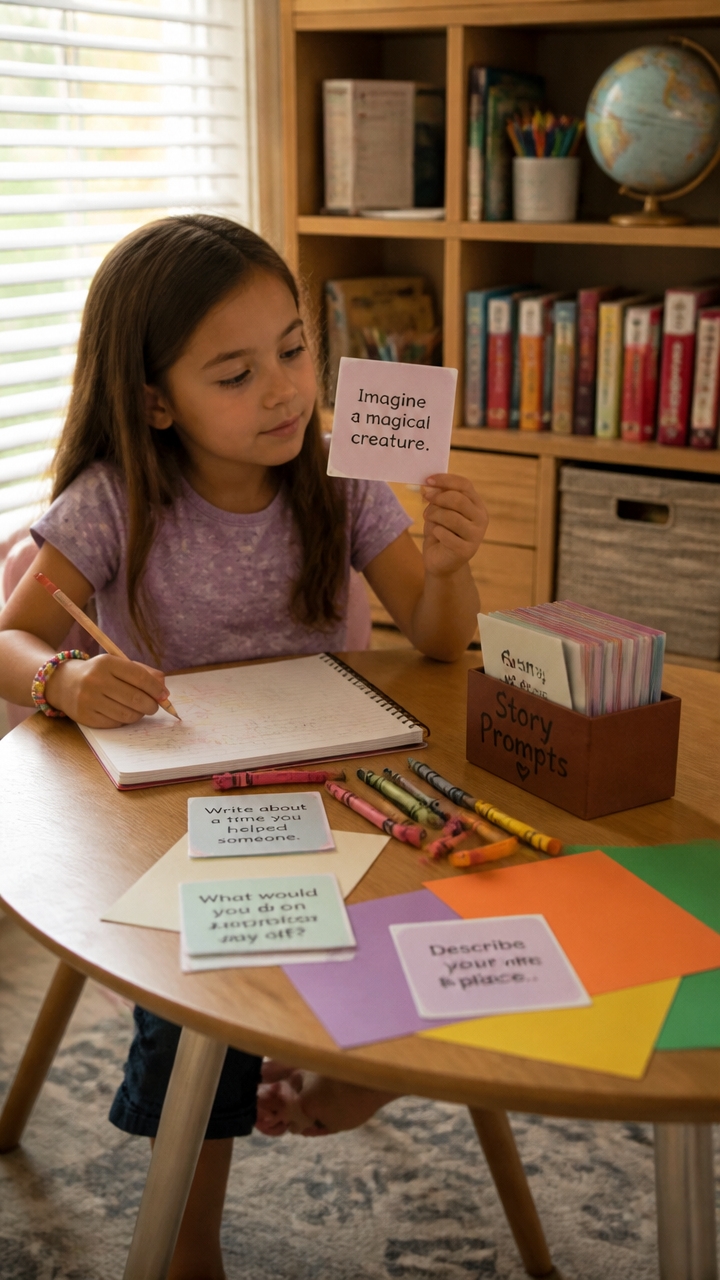
When choosing prompts for young writers, it’s important to pick ideas that spark laughter, curiosity, and confidence. Use colorful pictures, relatable themes like friends or family, and variety, narratives, opinions, and descriptions. It’s a great way to encourage personal expression and build confidence, all while keeping the fun, safe, and engaging for your family’s amazing young writers. Incorporating activities like Feelings Chart Activities can also help children identify and express their emotions effectively.
Top 5 Creative Prompts for Kindergarten and Early Elementary Students
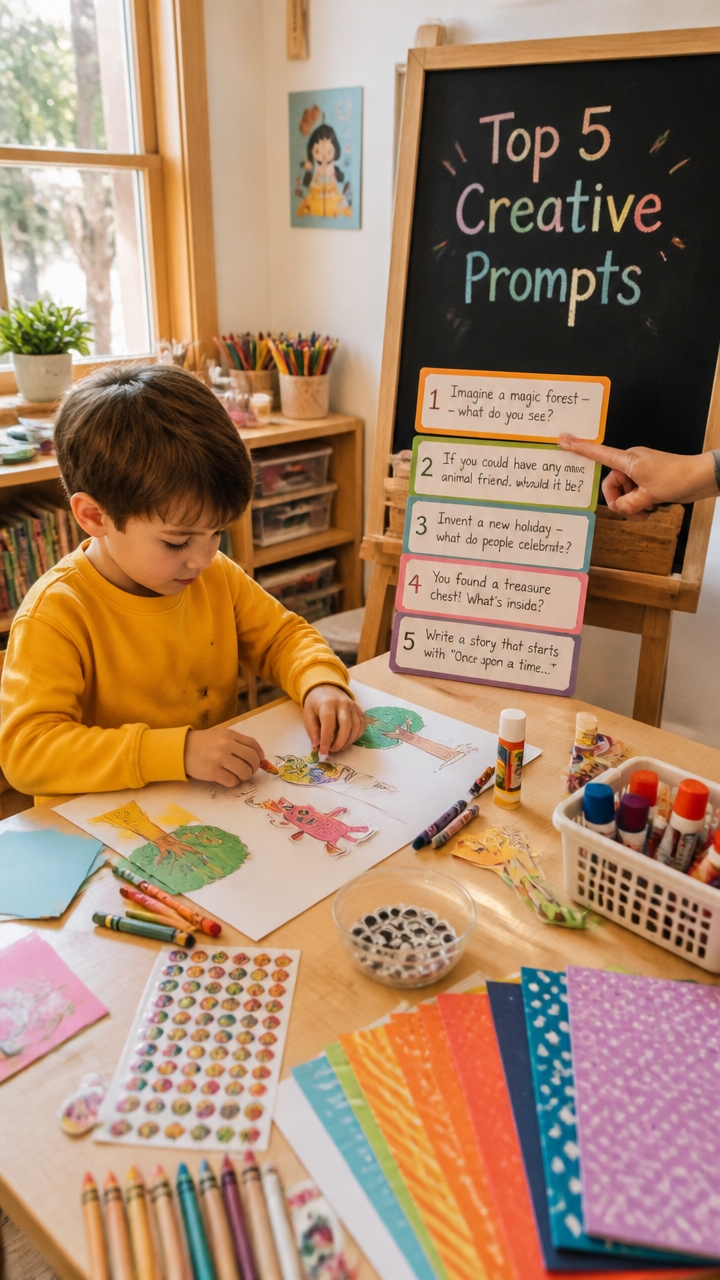
Getting kids excited about writing can lead to unforgettable moments filled with laughter, creativity, and bonding. Try these top 5 writing prompts for kids: 1. Imagine your favorite toy coming alive, then draw and tell its story. 2. Describe talking animals in a magical forest. 3. Create a superhero with special powers. 4. Share what spring feels like, sounds, and smells. 5. Write about your best family day. You can also incorporate creative activities like fun cooking ideas to inspire their imagination and make writing even more engaging.
Engaging Narrative Prompts to Spark Kids’ Imagination
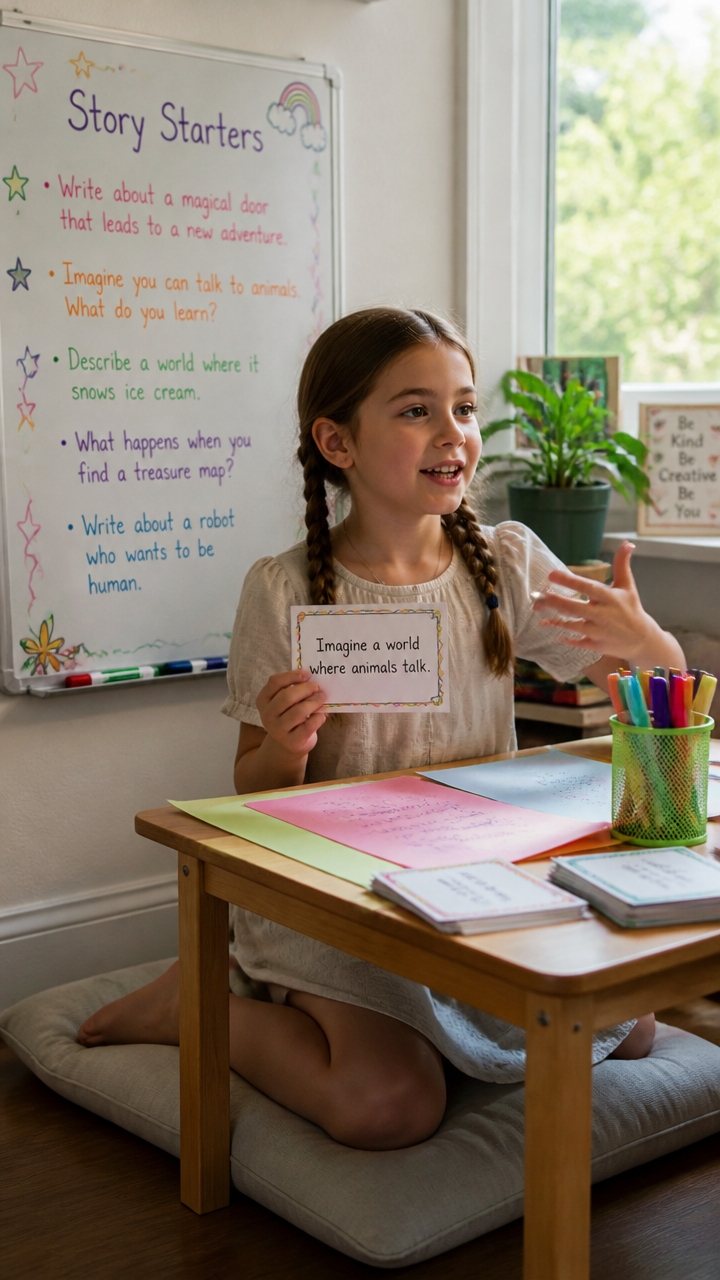
Have you ever wondered how to turn a simple story into an exciting adventure that sparks your child’s imagination? With engaging narrative prompts, you can do just that. Encourage your family to invent superheroes, animals, or magical worlds. Use shared storytelling, fun scenarios, or alternate endings, these prompts help kids improvise, boost confidence, and create unforgettable, safe adventures in their minds.
Descriptive Writing Prompts to Help Kids Explore Their Environment
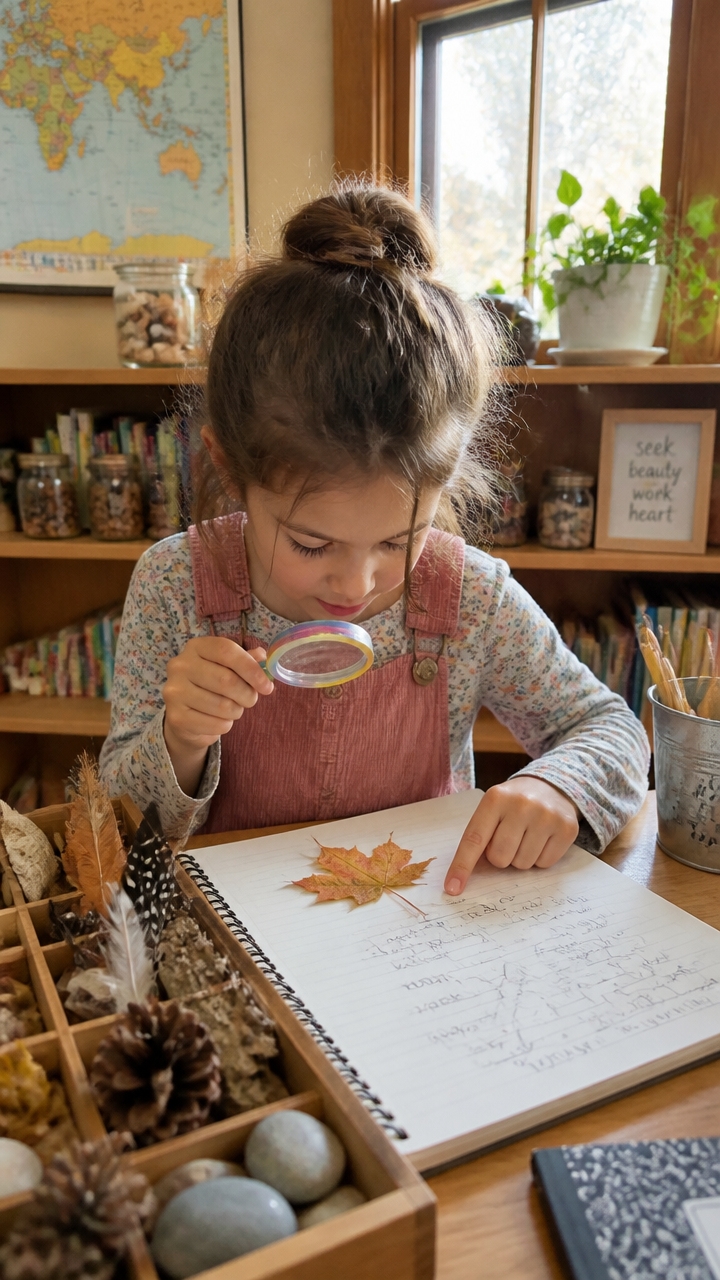
Exploring your environment through descriptive writing is a wonderful way to bond with your kids and foster their creativity. Use these curated descriptive writing prompts: 1. Describe what you see outside your window, add sensory details, and improvise with colorful language. It’s a great way to help your children notice small details and share fun observations confidently, making memories together.
Opinion Prompts to Help Elementary Students Share Their Views
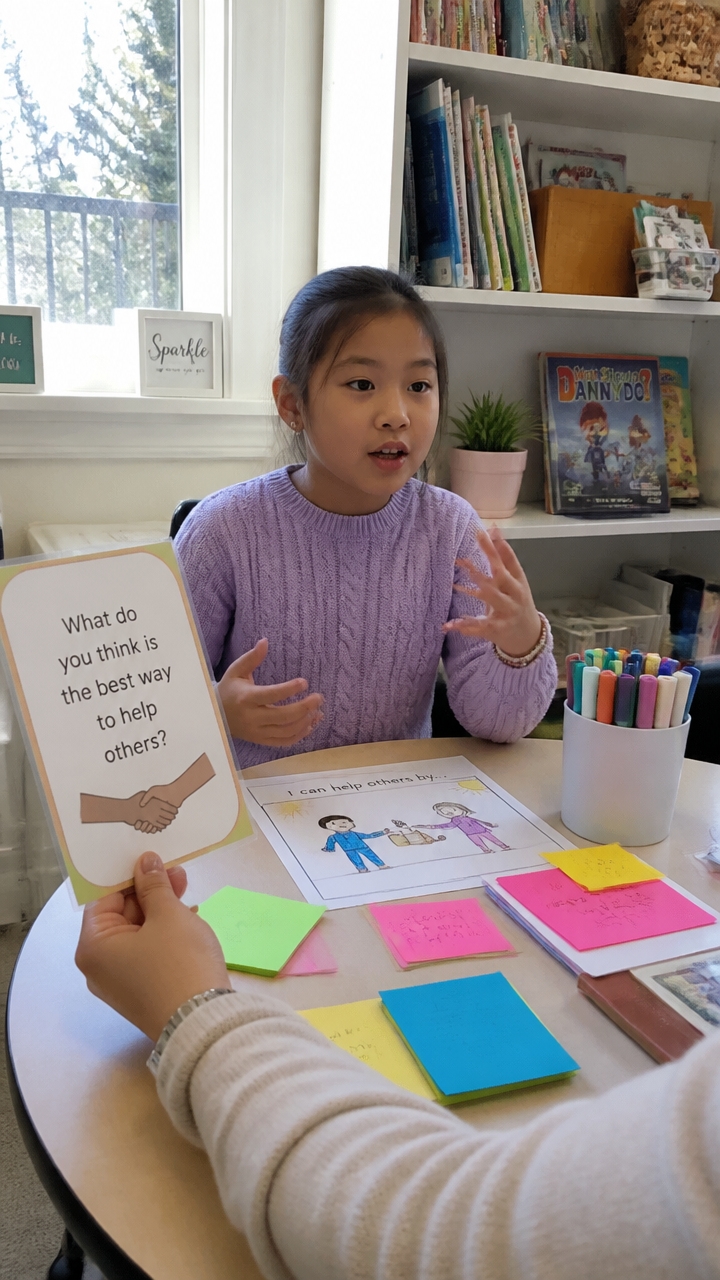
Sharing your opinions can be a fun way to bond with your kids and release their creativity. Use opinion prompts like “What’s your favorite movie and why?” or “Should school start later?” to encourage safe, respectful sharing. It’s a great way to build confidence, critical thinking, and make writing personal. These prompts turn daily discussions into memorable, joyful moments.
Fun Fantasy and Fairytale Prompts for Developing Creativity in Grades 2–4
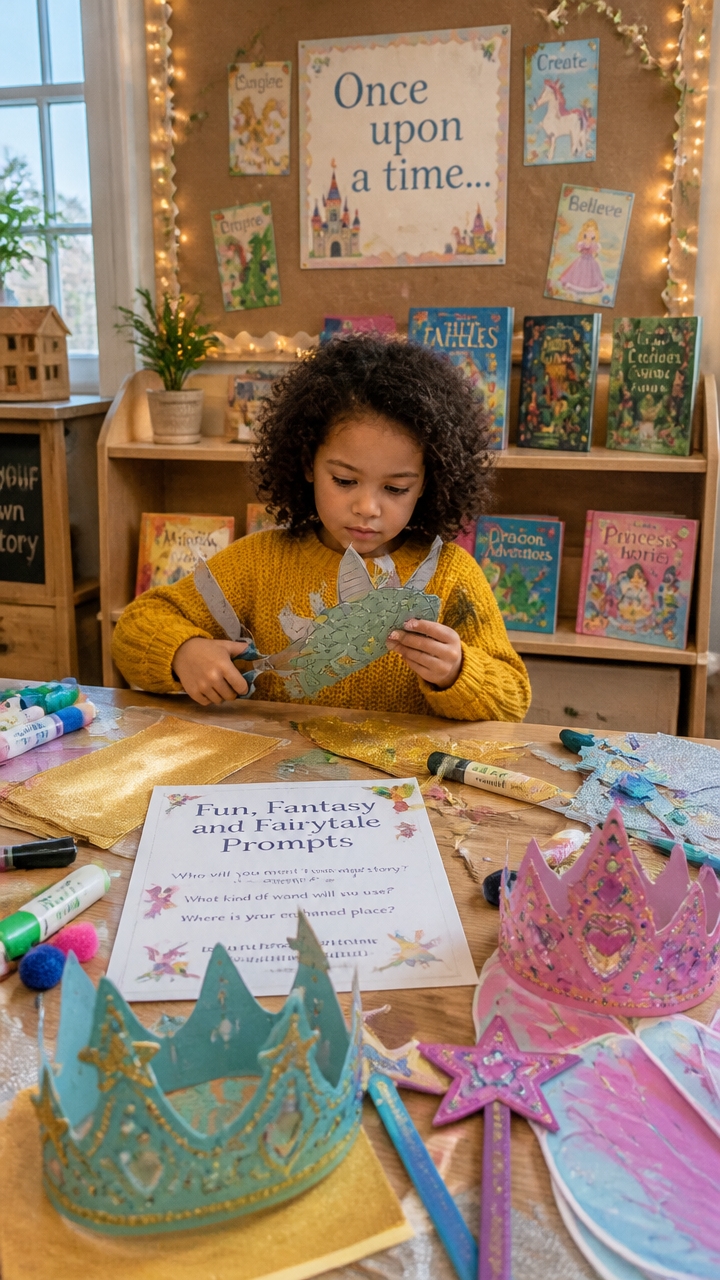
Releasing your child’s imagination through fun fantasy and fairytale prompts can lead to unforgettable bonding moments. You can encourage them to invent talking animals, magical worlds, or alternate fairy tale endings, sparking creativity while ensuring safety. It’s a great way to promote vivid storytelling, teamwork, and descriptive language, making writing an enjoyable adventure filled with laughter and lasting memories for your family.
Prompts That Encourage Personal Reflection and Self-Discovery
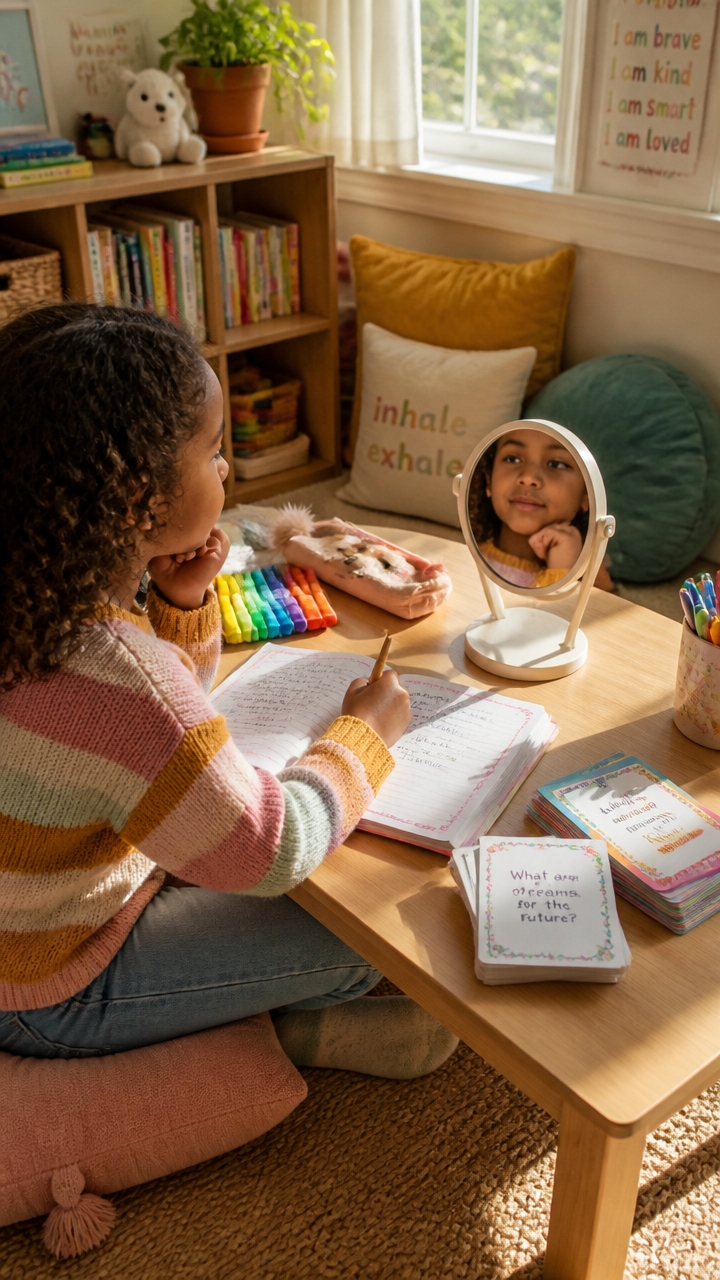
Connecting fun fantasy stories with your child’s inner world makes for memorable moments, but encouraging personal reflection takes their creativity even further. You can ask your family to write about their favorite activity, a special gift, or what makes them unique. It’s a great way to nurture self-awareness, promote empathy, and help kids explore their personal feelings in a safe space.
How to Use Visual and Picture Prompts to Jumpstart Creativity
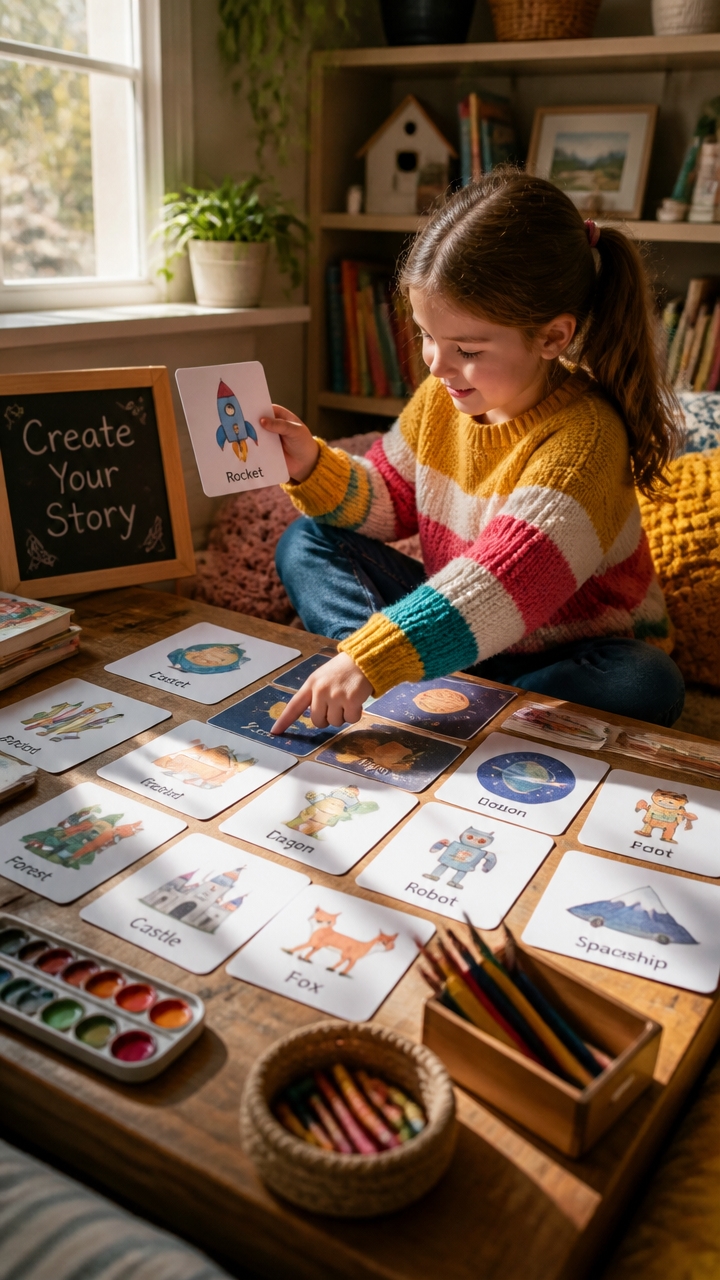
There’s nothing quite like the laughter and excitement that come from using visual and picture prompts to jumpstart creativity. Use colorful illustrations, photographs, or comic strips to inspire stories. Encourage your family to interpret, improvise, and connect emotionally. It’s a great way to build confidence, explore different genres, and make storytelling a fun, safe activity everyone looks forward to.
Make Learning Fun: Writing Games and Challenges for Daily Practice
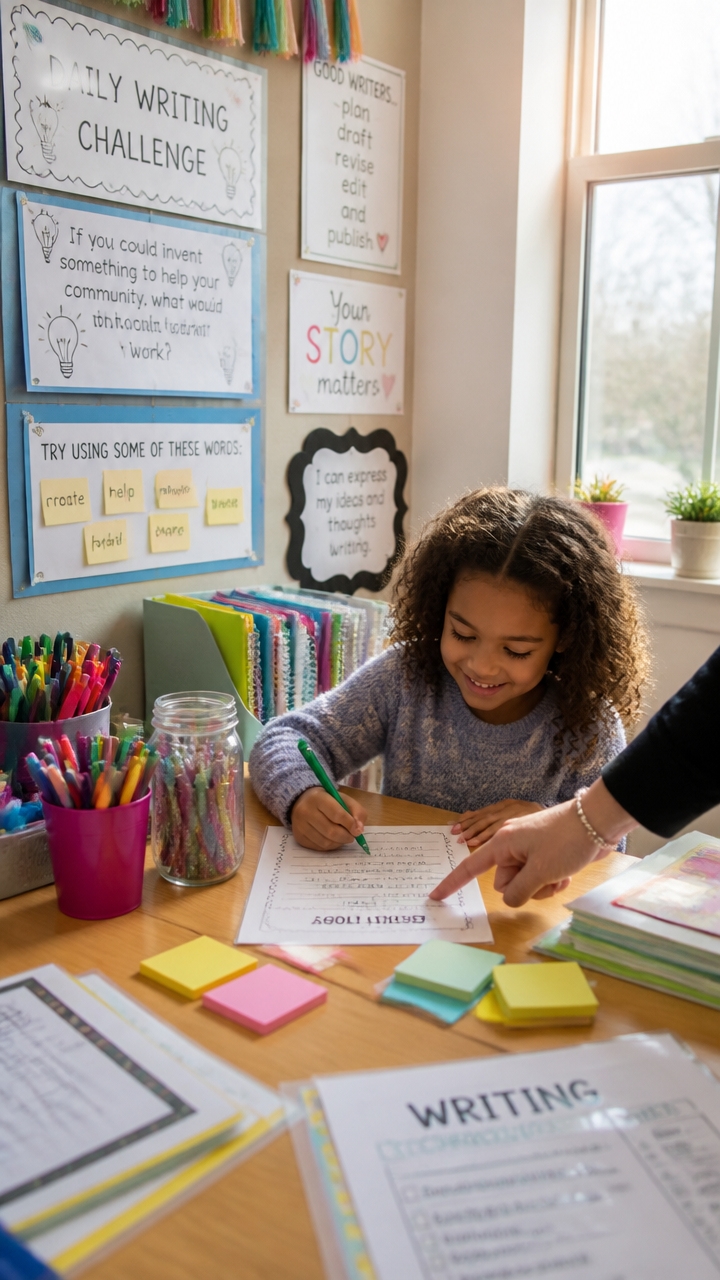
Engaging your family in daily writing games can turn ordinary days into unforgettable, laughter-filled adventures. Try a “Story Starter,” where you share open-ended sentences for kids to finish. Use themed prompts tied to current events, and play “Pass the Story,” where everyone adds a sentence. A great way to boost creativity, laughter, and close bonds, daily!
Connecting Prompts to Classroom Themes and Current Events
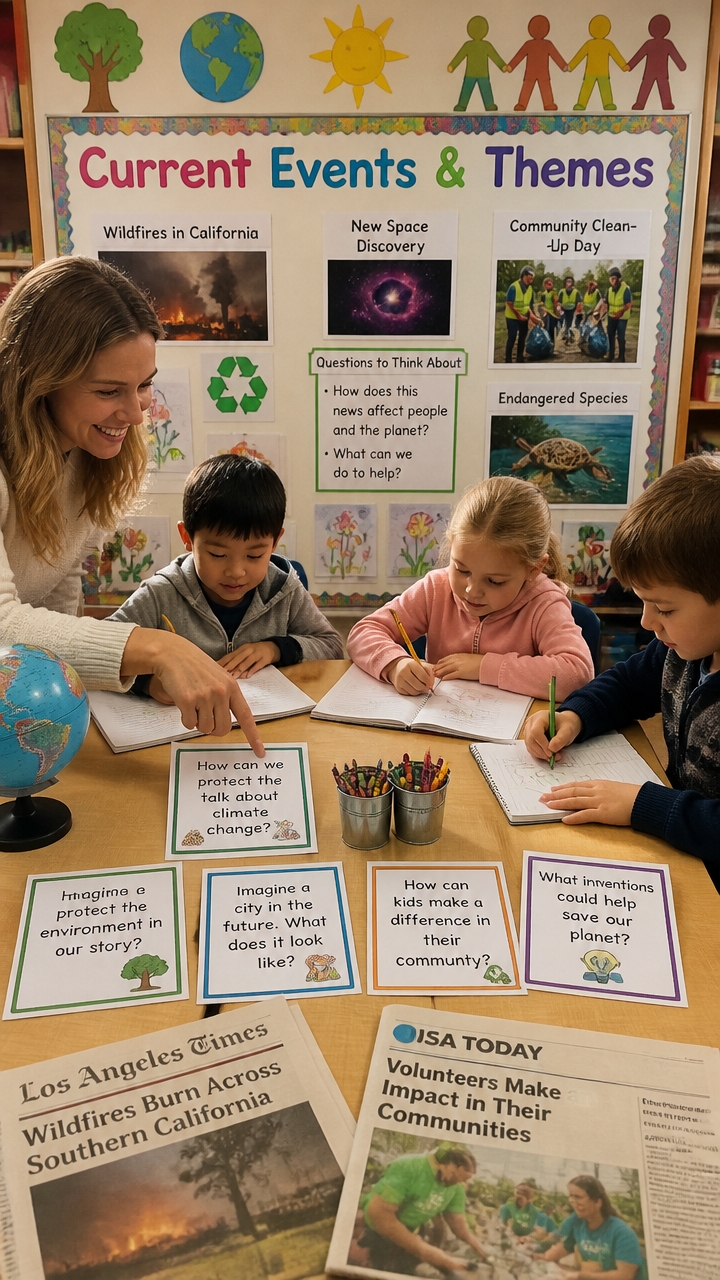
When you plan creative prompts for your family or classroom, it’s a wonderful way to make learning connected to the world outside. Use prompts to keep lessons relevant by linking them to current events, classroom themes, or seasons. Include multimedia, like photos or news clips, to inspire deeper thinking. These prompts will engage, encourage, and make every writing session unforgettable with meaningful connections.
How to Make Writing Prompts Inclusive and Engaging for All Students
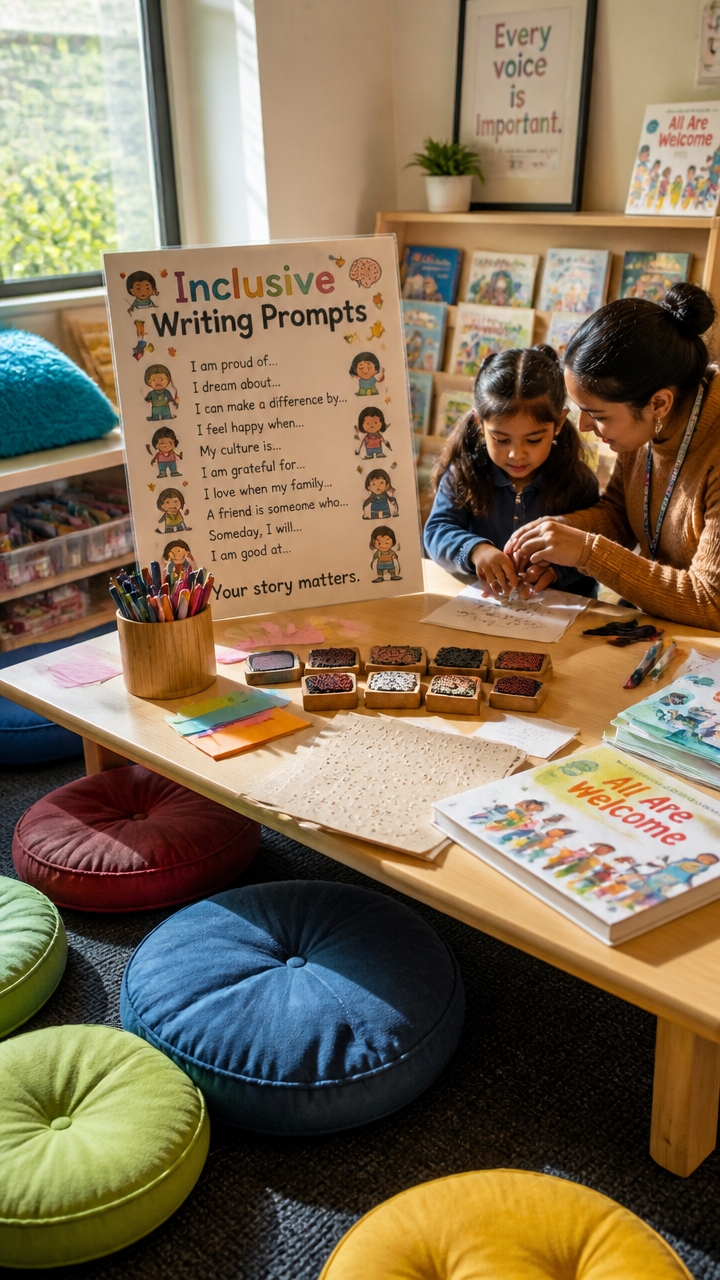
Creating inclusive writing prompts helps your family or classroom feel warm and welcoming for everyone. When designing writing prompts for kids, incorporate diverse characters and settings, and offer options that reflect personal interests or cultural backgrounds. Use visuals or multimedia to stimulate imagination, and ask for feedback. It’s a great way to connect, celebrate differences, and keep all students excited about writing.
Encouraging Peer Sharing and Collaboration Through Creative Prompts
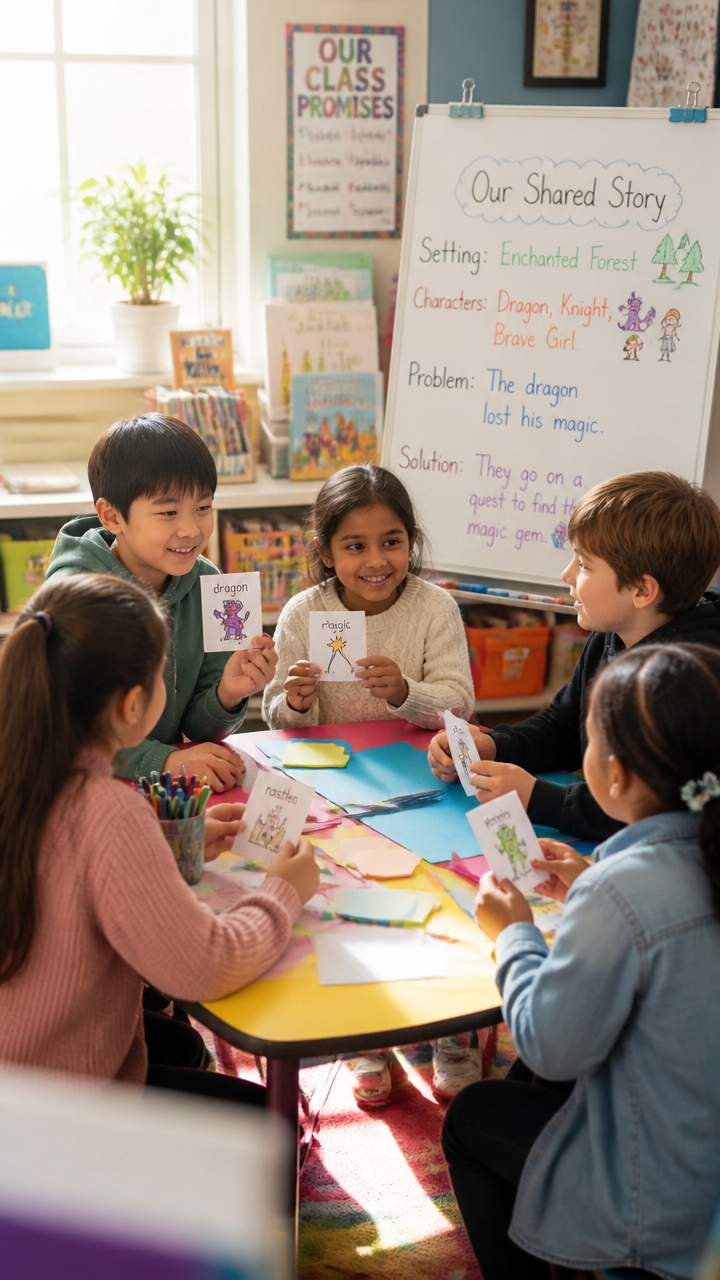
Encouraging peer sharing and collaboration can turn writing time into a warm, lively adventure. You can create sharing circles, ask kids to read their stories aloud, or work on collaborative prompts with colored markers and paper. It’s a great way to build trust, boost confidence, and nurture teamwork, making writing a safe, fun, unforgettable experience full of laughs and new friendships.
Using Technology for Creative Writing Prompts in Elementary Classrooms
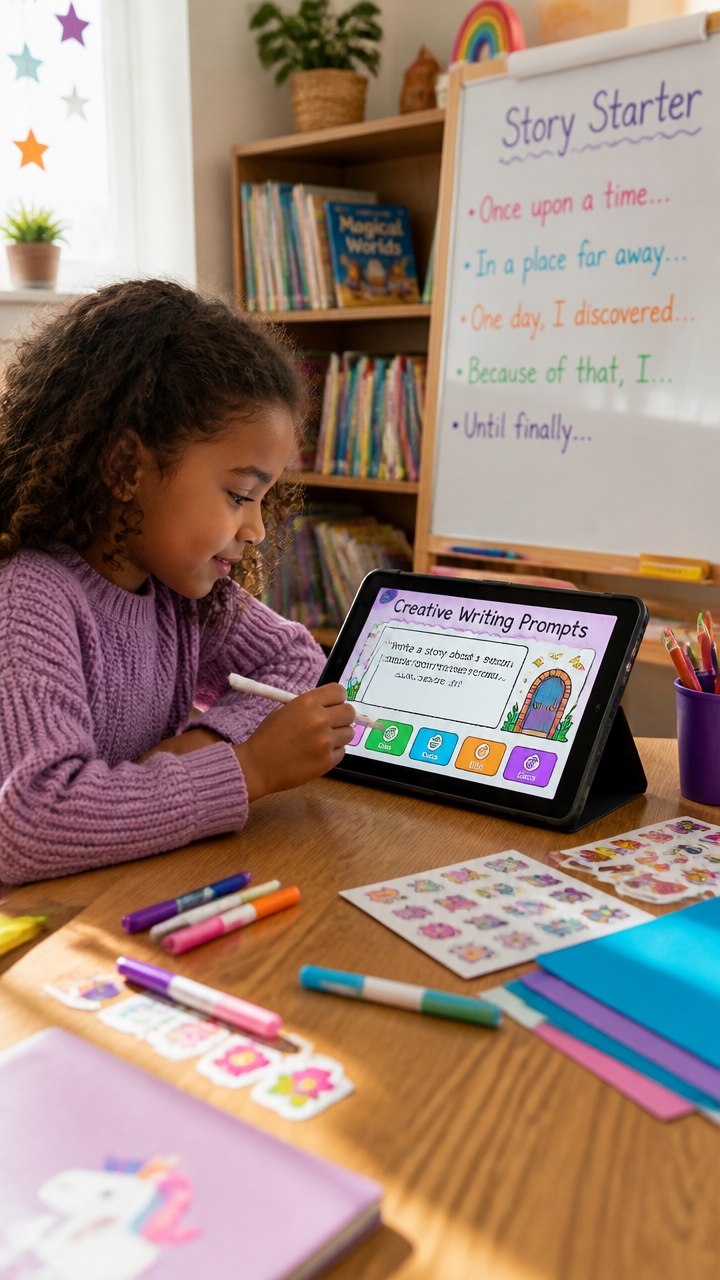
Using technology for creative writing prompts can turn your classroom into a lively, inspiring space filled with laughter and ideas. You and your students can explore digital storytelling tools, collaborate in real-time on shared documents, or use animation software for vivid stories. It’s a safe, fun way to keep creative writing prompts exciting, inspiring bonds, and making unforgettable moments happen every day.
Differentiating Prompts for Diverse Learning Levels
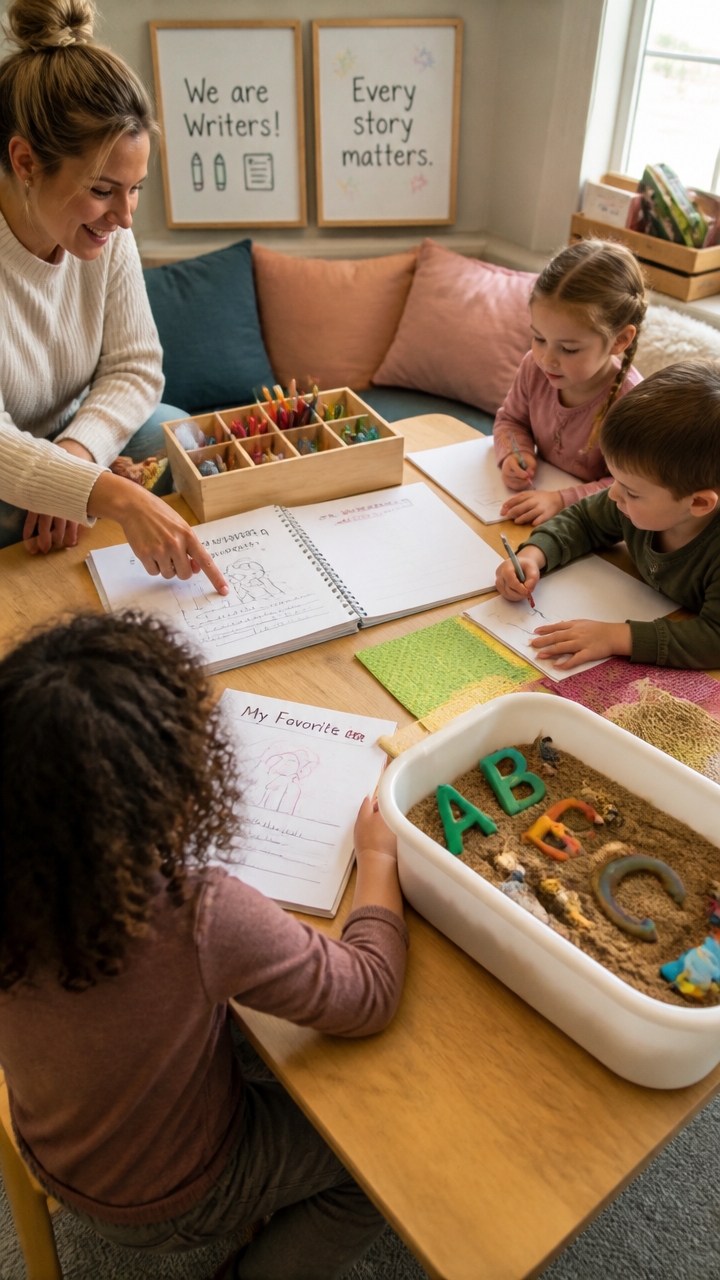
When you’re working with students of different reading and writing skills, it’s important to tailor your prompts to fit their needs and keep everyone feeling successful. Differentiating prompts means giving support and choices, like scaffolded tasks for beginners, or open-ended questions for advanced students. It’s a warm, safe way to help every child find their voice and enjoy writing.
Building Confidence With Fun, Low-Pressure Writing Exercises
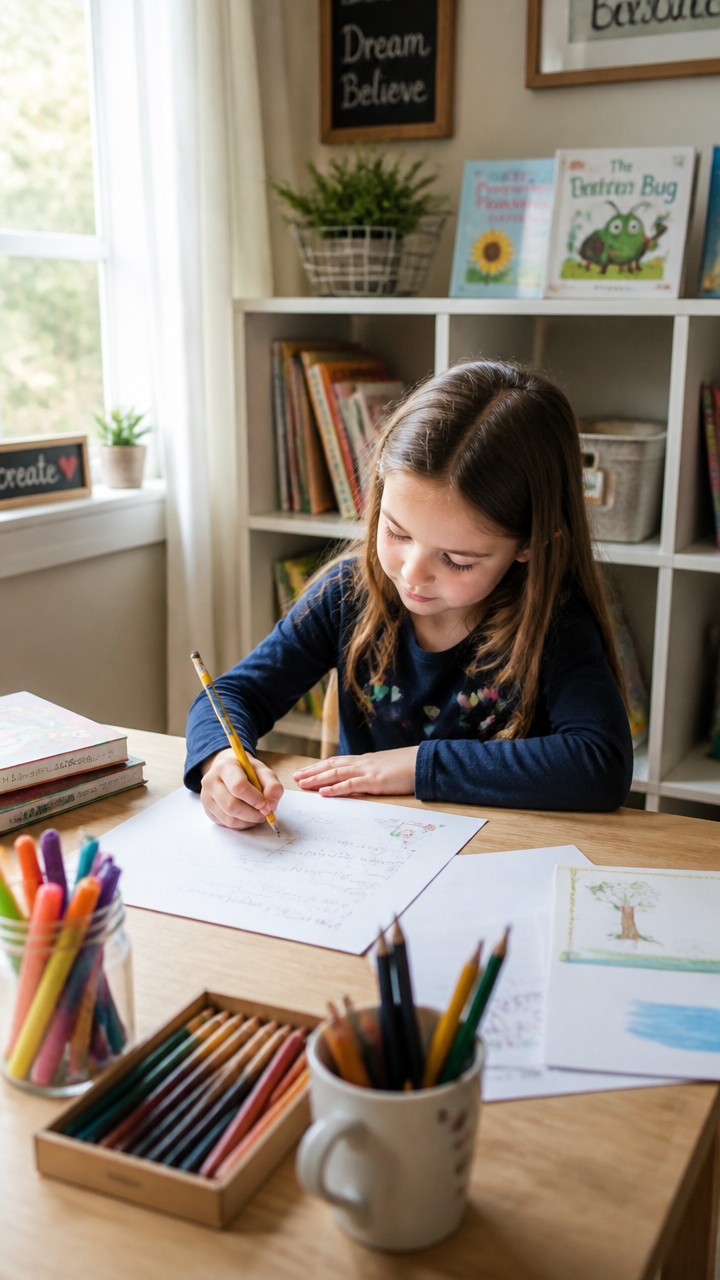
Building confidence in young writers often starts with making the process enjoyable and low-pressure. Try fun prompts like “Describe a superhero with a silly superpower,” encouraging kids to improvise and imagine freely. Share stories with friends, use colorful markers, or keep daily journals. It’s a warm way to boost confidence, bonds, and make writing an unforgettable, happy habit.
Prompts That Promote Critical Thinking and Problem Solving
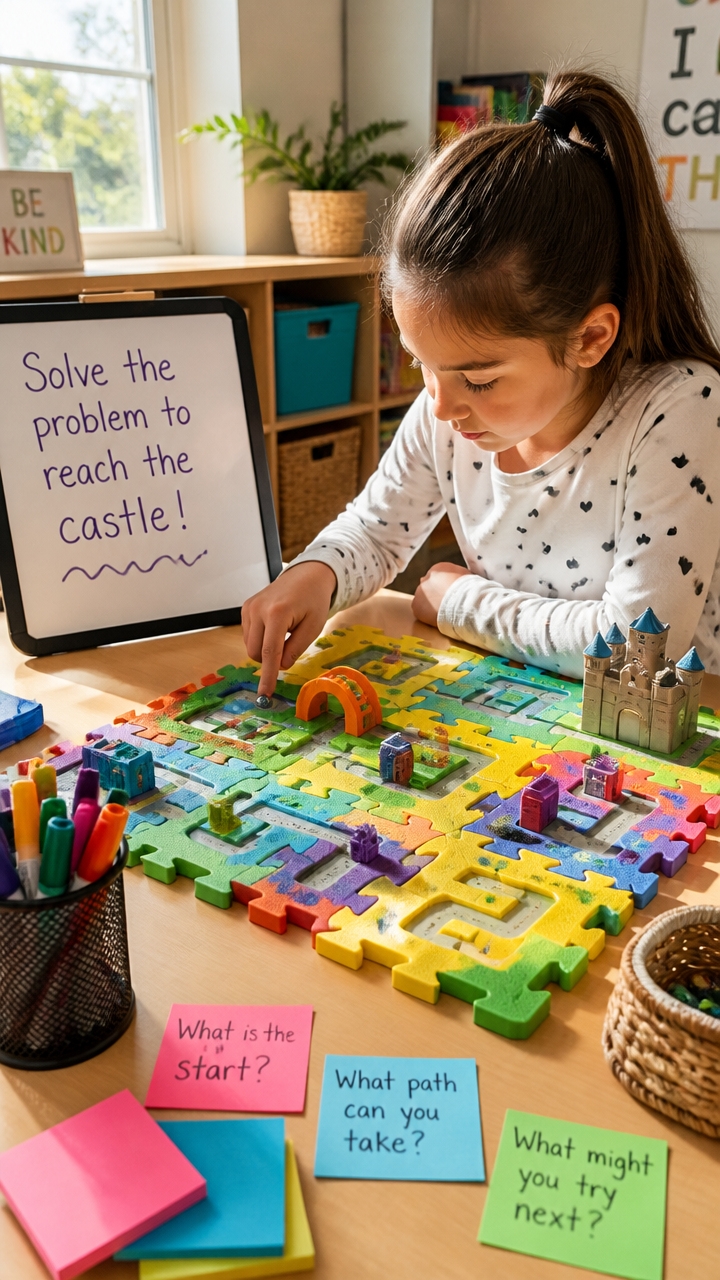
Tackling problems with imagination and sharp thinking makes writing an exciting adventure that bonds families and sparks laughter. Use these prompts to boost critical thinking and problem solving: 1. Describe a day that goes wrong and how you fix it, be detailed! It’s a fun way to develop solutions. 2. Invent a game, explain the rules, A great way to encourage decision-making.
Planning Themed Writing Days With Creative Prompts Throughout the Year
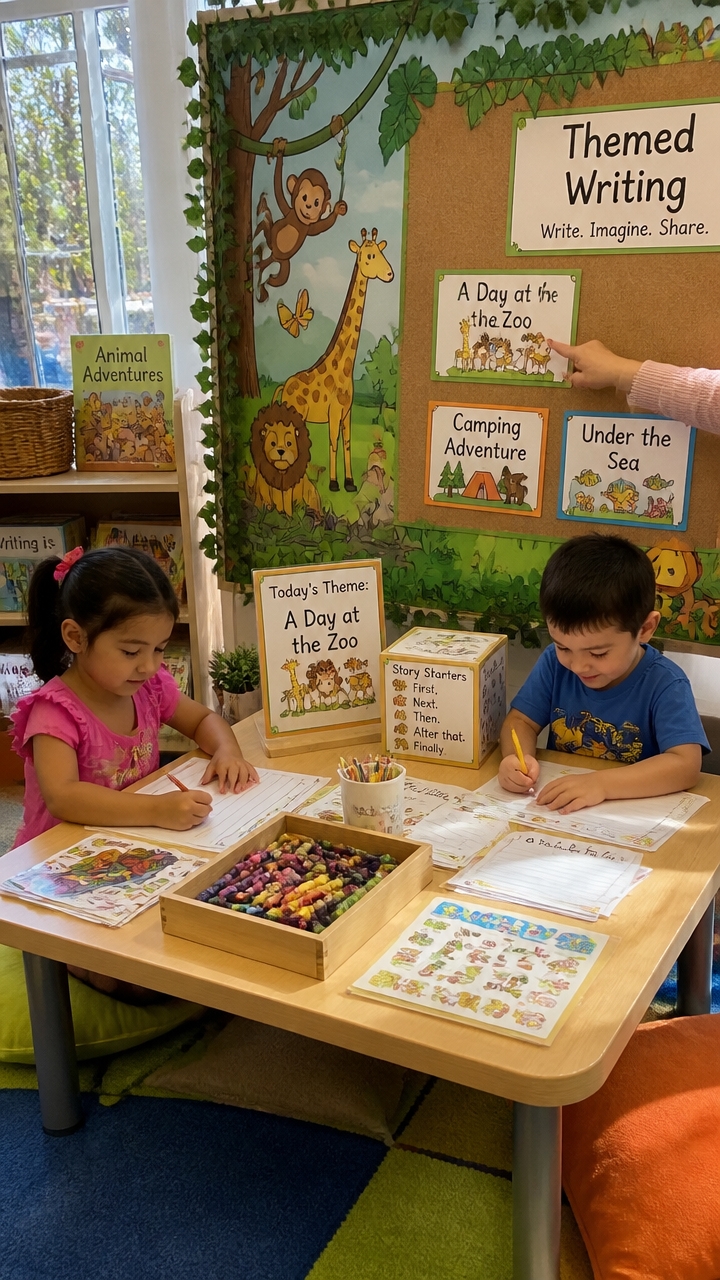
Planning themed writing days can bring laughter, learning, and unforgettable memories to your family. To keep things safe and fun: 1. Curate weekly themes like “Space Adventure” or “Nature Exploration”; it’s a great way to spark kids’ imagination and make writing an exciting routine. Use art supplies to encourage illustrations, making each themed writing day lively and engaging.
How to Assess Creativity and Growth in Student Writing Without Stress
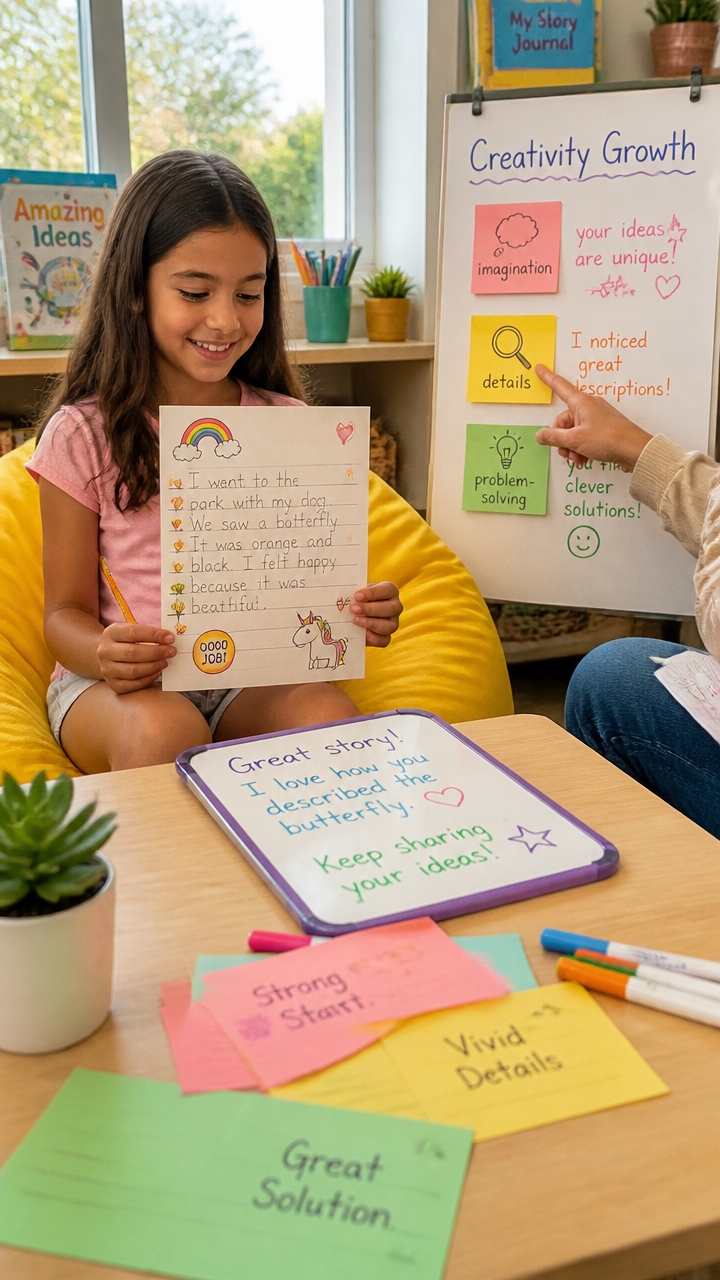
Sometimes, evaluating your kids’ creativity can feel like a tricky puzzle, but it doesn’t have to be stressful. Assess creativity by using low-pressure activities, like self-assessment checklists, peer feedback, and digital portfolios. Encourage storytelling about their growth, and focus on progress, not perfection. It’s a warm, safe way to see how your child’s confidence and imagination bloom over time.
Tips to Keep Elementary Students Engaged With Fresh, Exciting Prompts in 2026
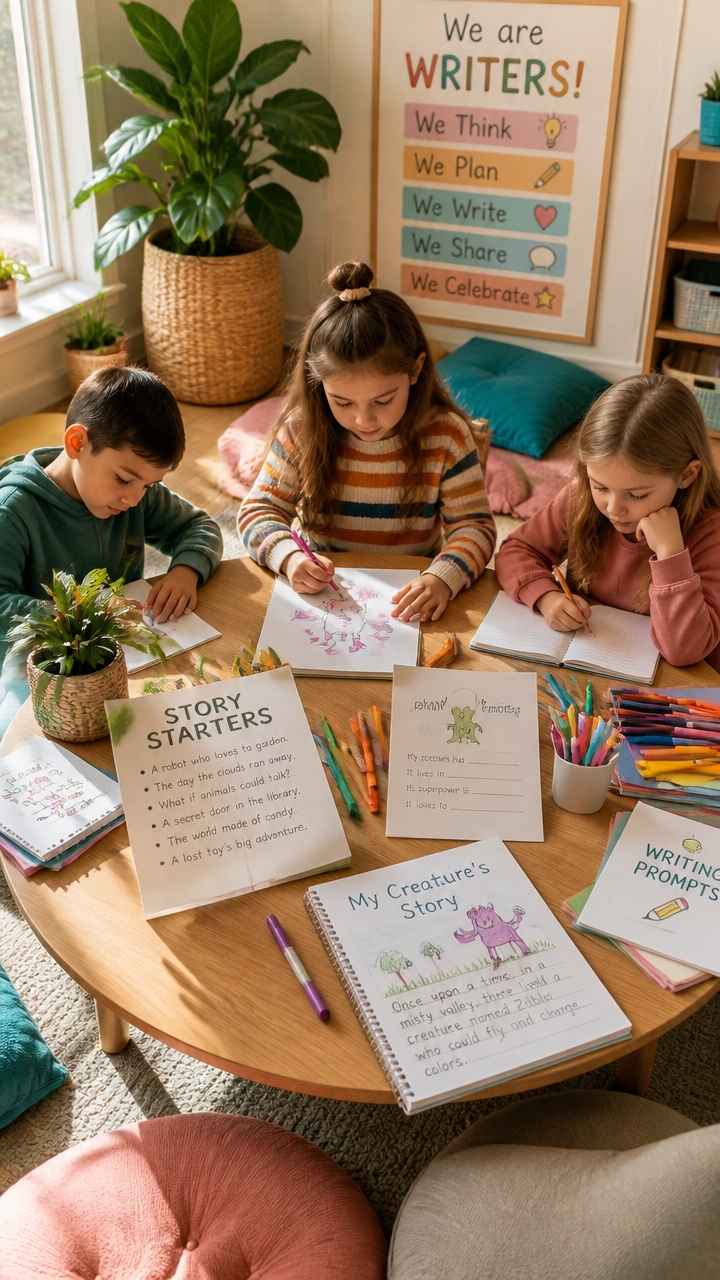
Keeping kids excited about writing means staying fresh and fun. To help students stay engaged, rotate journal prompts for kids, using storytelling, imaginative scenarios, and personal reflections. Incorporate videos or images to inspire. Let kids vote on prompts or choose from menus, promoting creativity. It’s a great way to make school enjoyable and help students create memorable, safe, and exciting writing experiences.
Final Takeaways
Get ready for unforgettable moments as your family shares laughs and bonds over creative prompts. These activities are designed to spark children’s artistic and storytelling skills, making learning and playboth fun and engaging. Kids’ imaginations thrive when they’re encouraged with just a little nudge, helping develop their confidence, creativity, and problem-solving abilities.
By curating silly stories, drawing quirky characters, and improvising adventures, you turn ordinary days into extraordinary memories. Simple projects like drawing planets filled with funny aliens or inventing chaotic superhero powers showcase how easy it is to combine entertainment with educational development. These activities nurture imagination, motor skills, and storytelling talent, making them perfect for family time, classroom activities, or homeschooling. Keep the fun going, keep the laughter ringing, and watch their creativity shine brightly every day.