
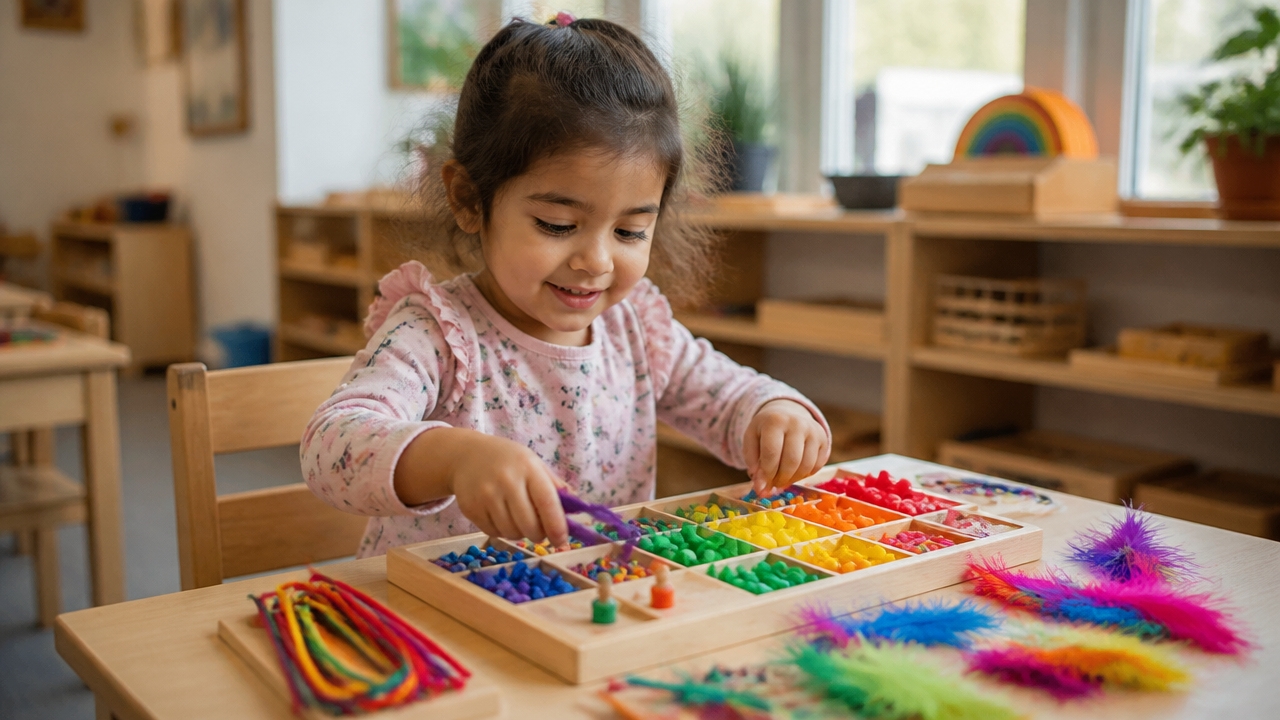
Much like a seasoned artist begins with a blank canvas, simple yet thoughtfully chosen activities can unlock a world of imagination and confidence for your preschooler. These 21 fine motor activities, such as stringing beads, sculpting with recycled materials, or clipping paper, are designed to develop hand strength, coordination, and precision in young children. They offer a fun way to foster creativity, enhance fine motor skills, and encourage problem-solving in a playful setting.
As you explore these engaging activities, you’ll see how easy setup, commonly available materials like pasta, buttons, craft paper, and recyclable objects can lead to meaningful learning experiences.
Whether in a classroom, at home, or during a family craft night, these activities promote family engagement, boost preschoolers’ confidence, and help build essential skills through imaginative play.
Get ready to discover how small, intentional steps can lay the foundation for big confidence, all while creating memorable moments and joyful bonding opportunities.
Why Fine Motor Skills Are Essential in Early Childhood Development
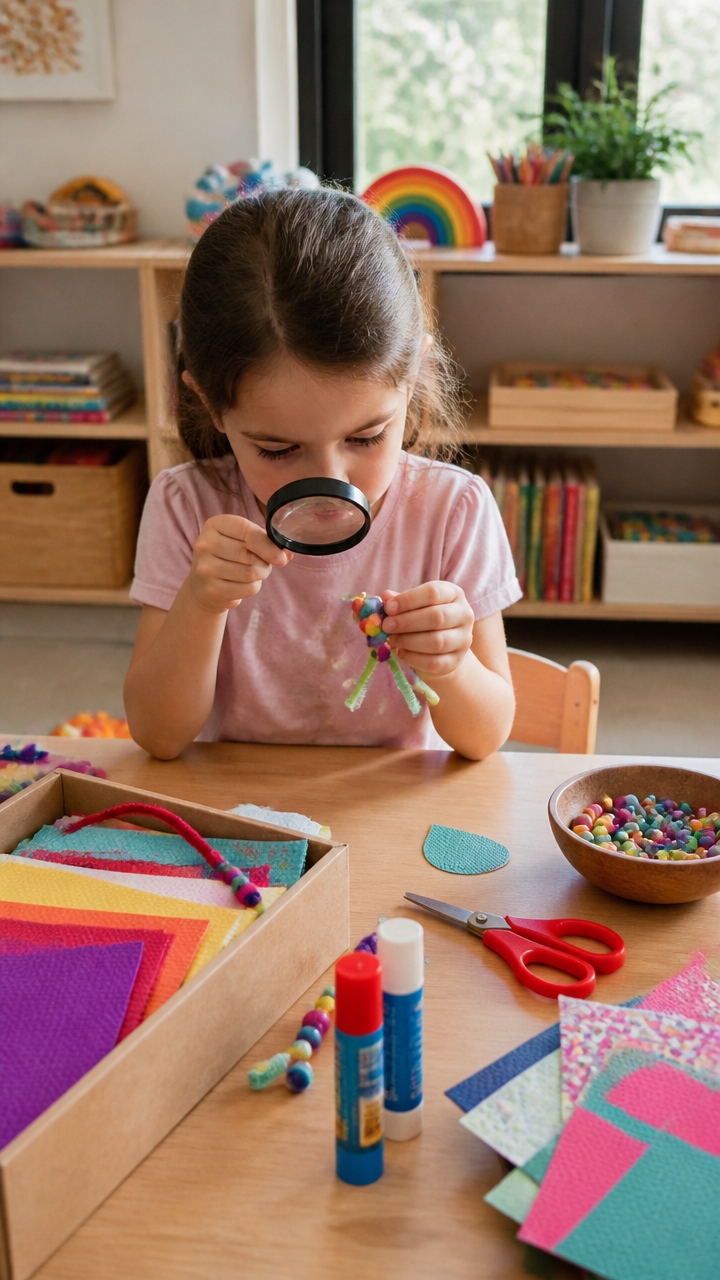
Imagine the messy, hilarious moments when your child tries to fasten buttons or color within the lines, these are signs of growing fine motor skills. Developing fine motor skills is essential, supporting skills that support hand-eye coordination, dexterity, and independence. Curated activities like threading beads or scribbling help build confidence, turning chaotic play into unforgettable progress and joyful bonds in your family. Additionally, engaging in creative sticker activities can make fine motor development more enjoyable and engaging for preschoolers.
Understanding the Key Components of Preschool Fine Motor Skills
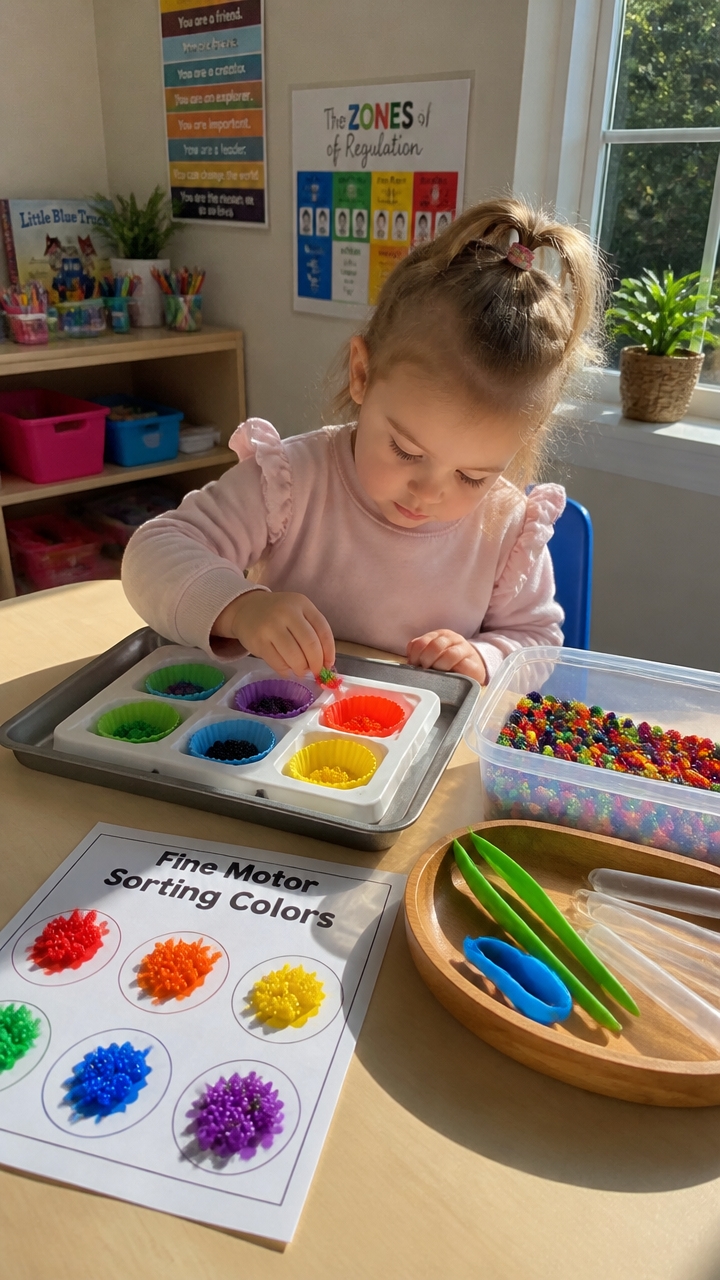
Understanding the key components of preschool fine motor skills can turn chaos into confidence and laughter into progress. To nurture these skills, encourage your child’s daily activities like drawing, cutting, or manipulating small objects. Use crayons, safety scissors, and playdough, helping build their grip, hand-eye coordination, and early writing skills, creating joyful bonds and unforgettable growth experiences. Incorporating DIY busy bags filled with themed activities can also make practice enjoyable and stress-free for both children and parents.
How Creative Crafts Boost Fine Motor Precision and Imagination
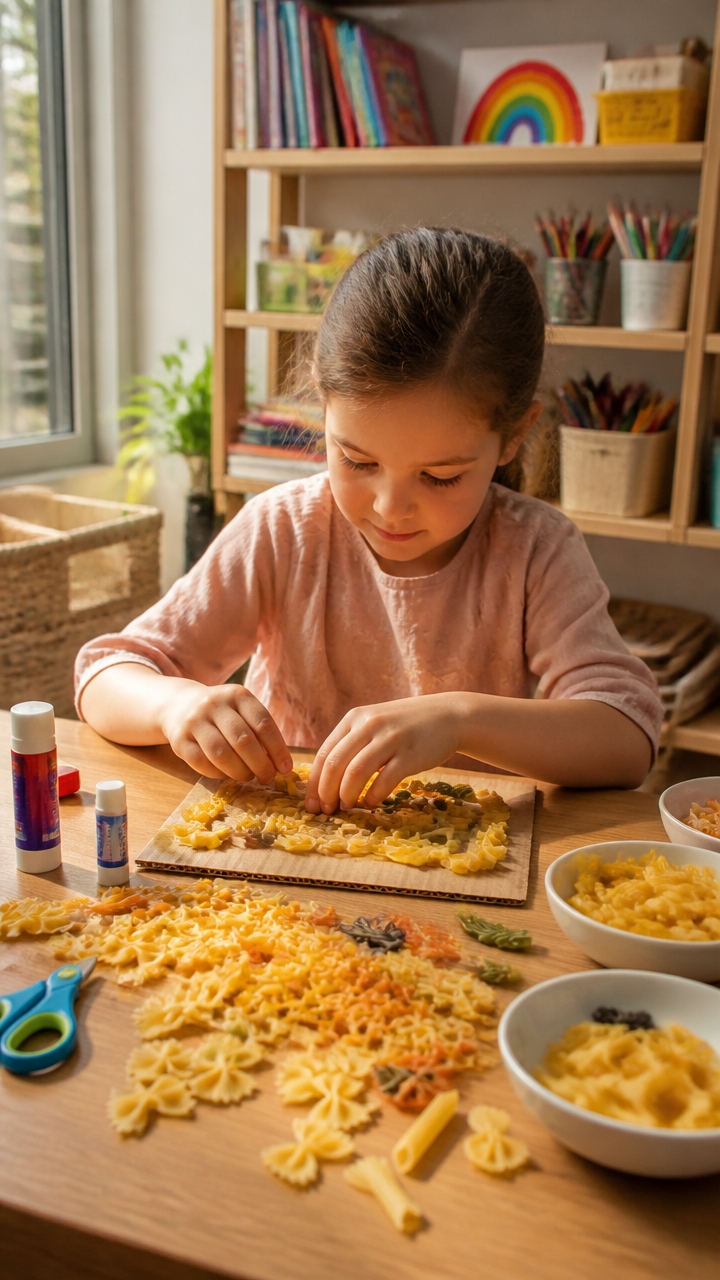
Engaging in creative crafts is a wonderful way to boost your child’s fine motor skills while sparking their imagination. Have your family tear paper, glue shapes, or string beads with pipe cleaners, these activities build hand strength and inspire creativity. It’s a great way to see your kids improvise, design, and enjoy the hilarious chaos of making something uniquely theirs. Incorporating paper plate craft ideas into your routine can also introduce fun, easy projects that enhance dexterity.
Engaging Sensory Play Activities to Strengthen Little Hands
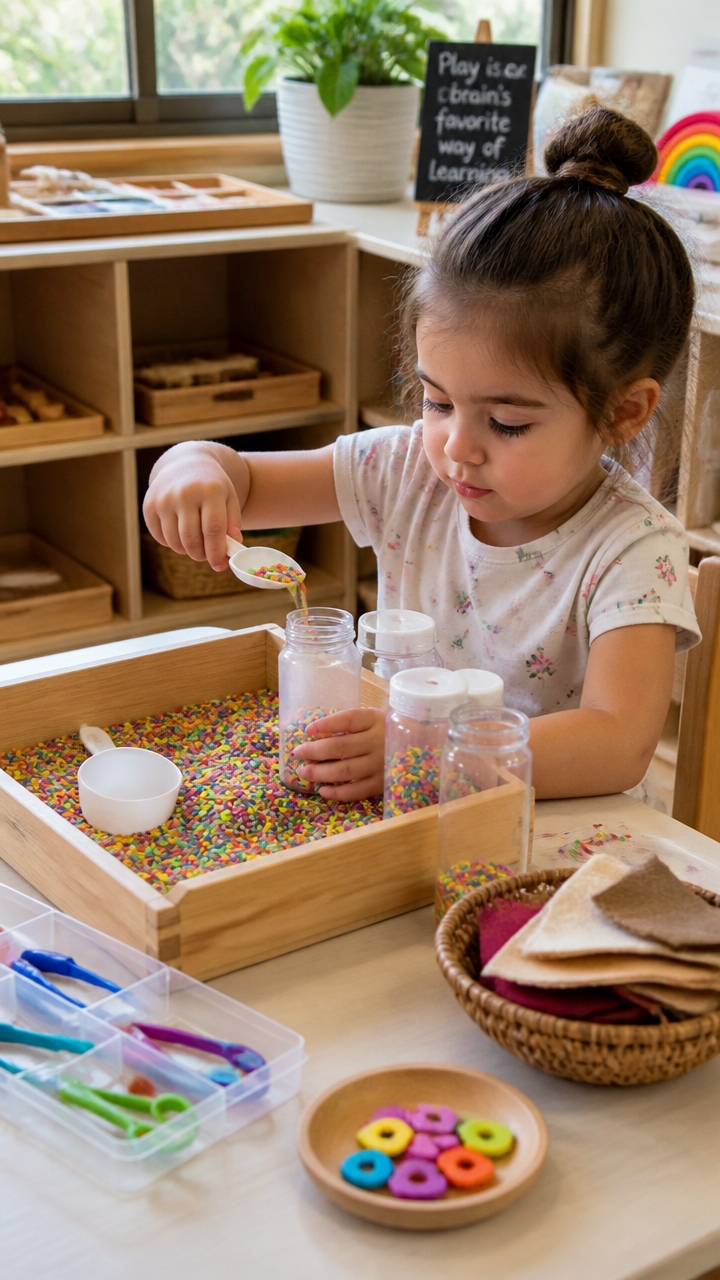
Playing with sensory activities can turn ordinary moments into bonding, hilarious, and unforgettable experiences. You’ll want to try these curated ideas for developing fine motor and strengthening small muscles safely: 1. Push, pinch, and kneadPlaydough for tactile fun. 2. Transfer ice cubes with spoons for hand-eye coordination. 3. Sort small objects in sensory bins. It’s a joyful way for your family to boost little hands!
Simple Kitchen Tasks to Build Coordination at Home
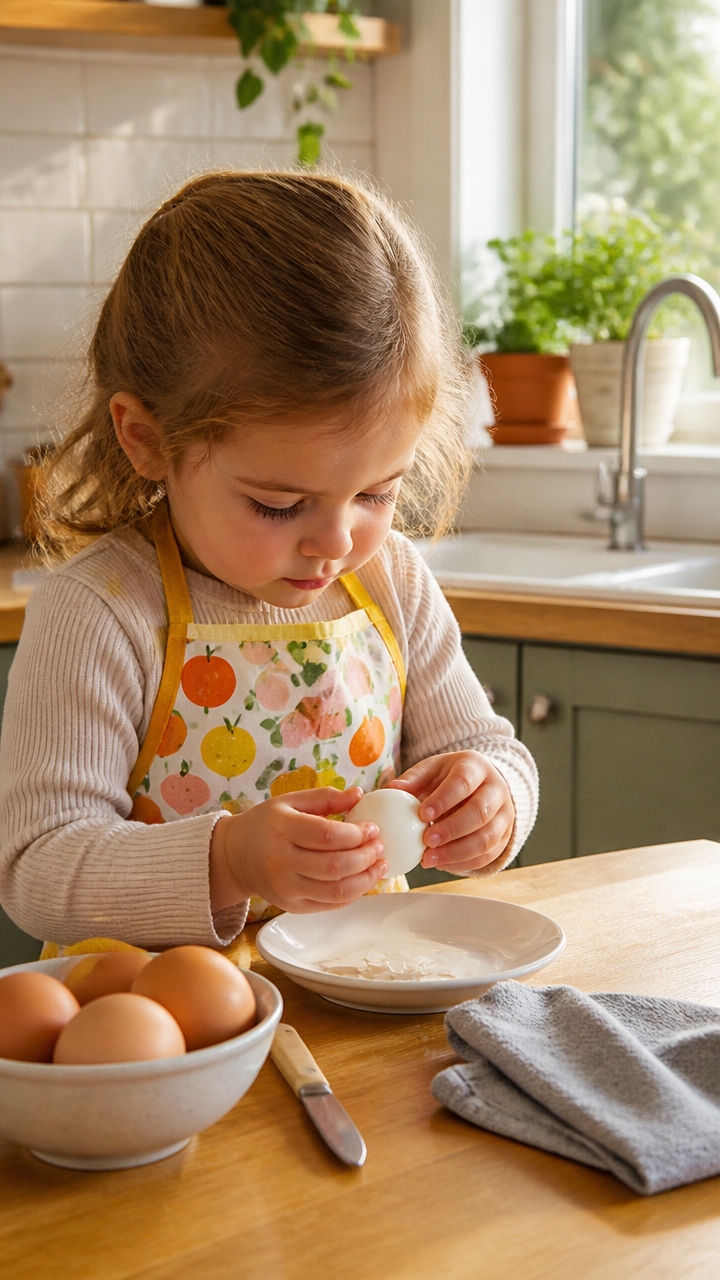
Getting your little one involved in simple kitchen tasks can turn cooking into a delightful bonding moment. For preschoolers, kitchen tasks like peeling bananas, pouring water, or stirring batter boost fine motor skills and coordination. Use safe, child-friendly tools, supervise closely, and enjoy the laugh-filled chaos. It’s an unforgettable way to build confidence and make learning playful at home.
Fun Games and Toys to Improve Fine Motor Control
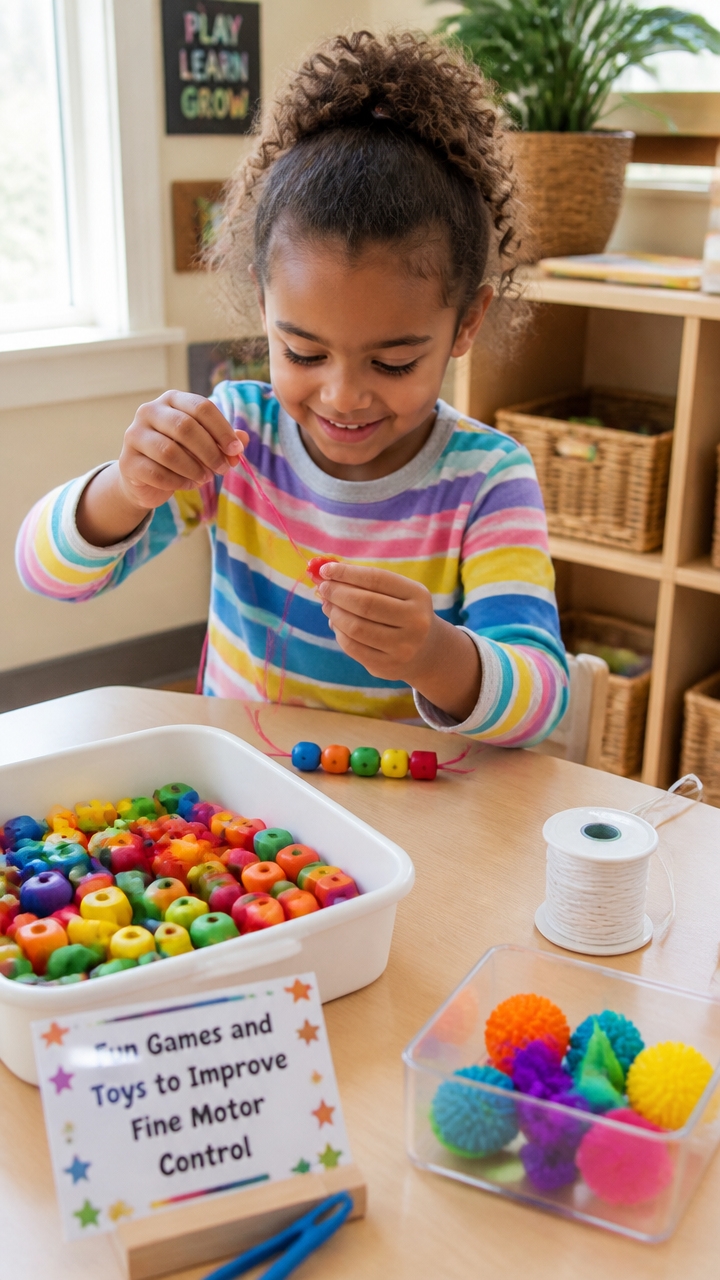
Watching your child master tiny movements can be hilarious and rewarding. Use fine motor skills activities like building with LEGO or threading lacing cards, encouraging playful practice that strengthens hands. Let them hammer pegs or tear paper for creative chaos. It’s a great way to boost early childhood fine motor control, bonding, and confidence through fun, safe, hands-on play.
Best Fine Motor Activities for Toddlers and Preschoolers
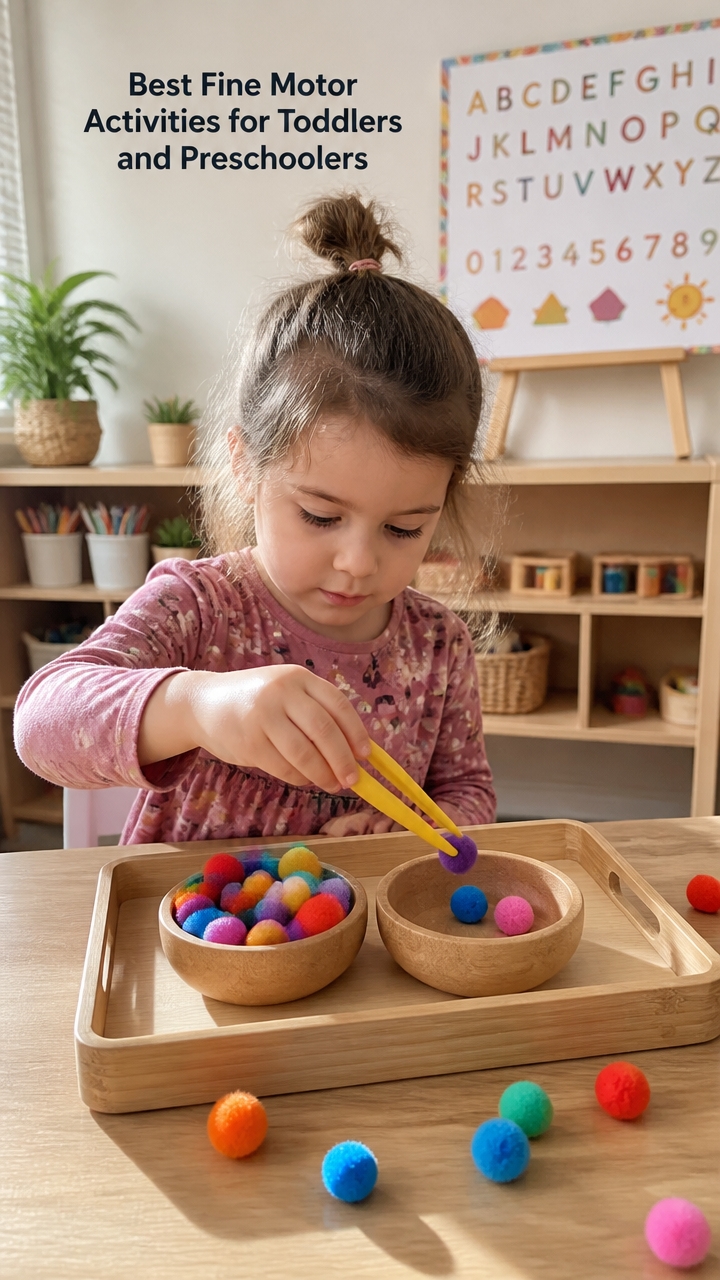
Engaging your little one in fine motor activities can lead to lots of laughter and bonding moments. Try simple activities like playing with playdough to build letters, peeling stickers, or cutting with child-safe scissors. It’s a great way to boost fine motor skills, develop hand control, and make preschool education fun. These playful tasks strengthen skills and create unforgettable, joyful moments.
Easy Art and Craft Ideas to Promote Hand-Eye Coordination
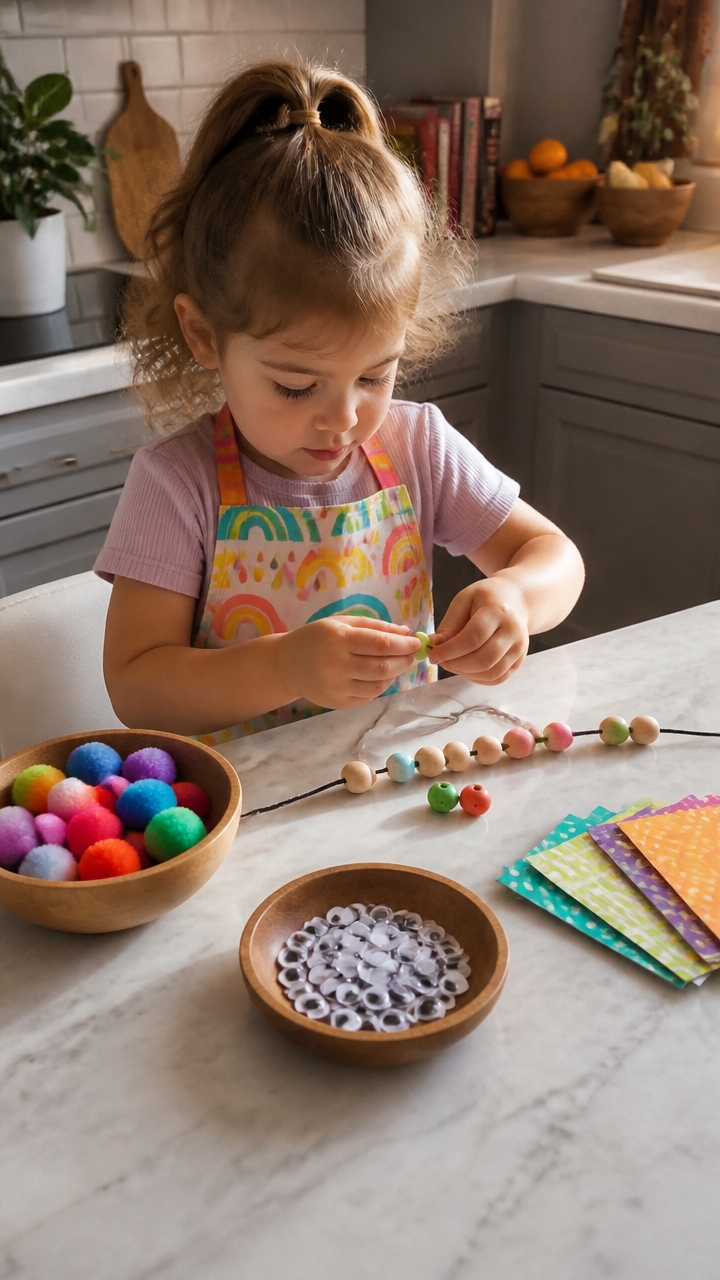
Nothing beats the joy of creating together, especially when art and craft activities help improve hand-eye coordination. You can try fun art projects like finger painting or simple collaging, using child-safe scissors for safe cutting. These activities foster creative expression while refining control, making learning joyful and hilarious. It’s a great way to bond and build confidence through safe, hands-on fun.
Building Skills With Blocks, LEGO, and Puzzles
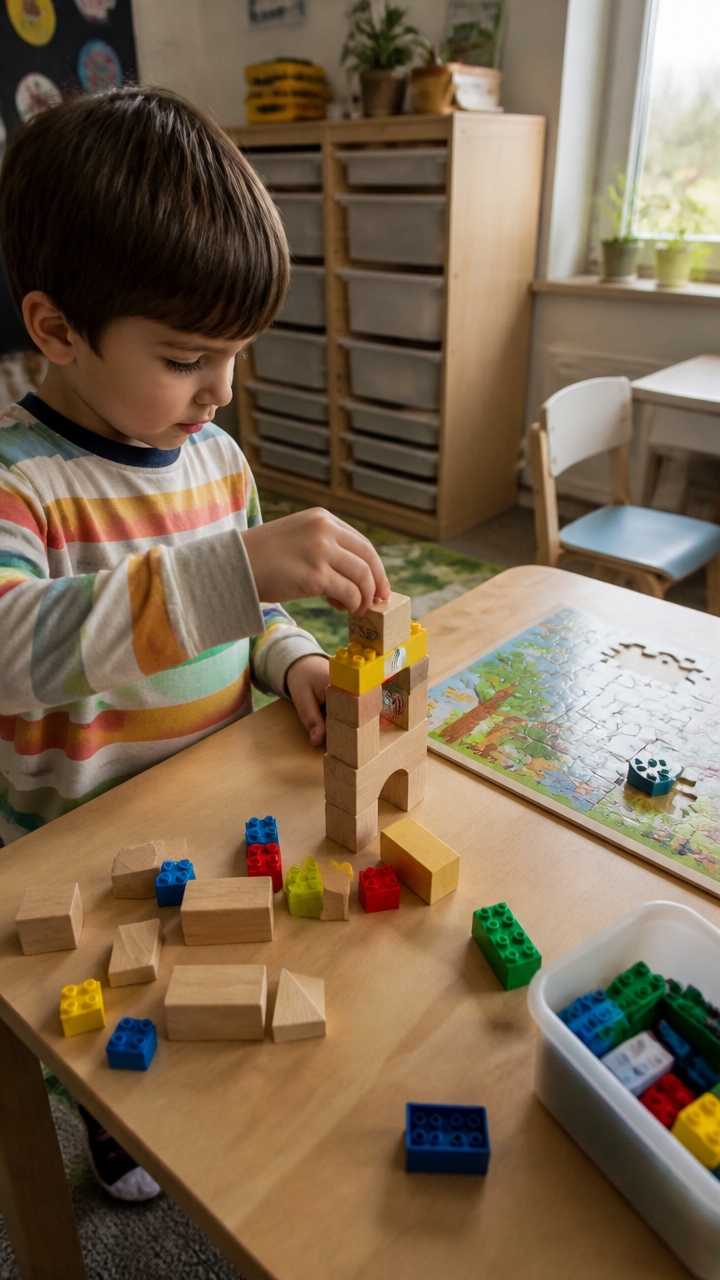
Building skills with blocks, LEGO, and puzzles can turn ordinary afternoons into unforgettable moments of fun and learning. Encourage safe, supervised play, using sturdy blocks, colorful LEGO pieces, and simple puzzles. Focus on problem-solving, fine motor, and collaborative play. It’s a great way to boost confidence, foster resilience, and strengthen bonds, all while making learning lively, hilarious, and filled with joyful discoveries.
Everyday Household Items to Practice Fine Motor Skills
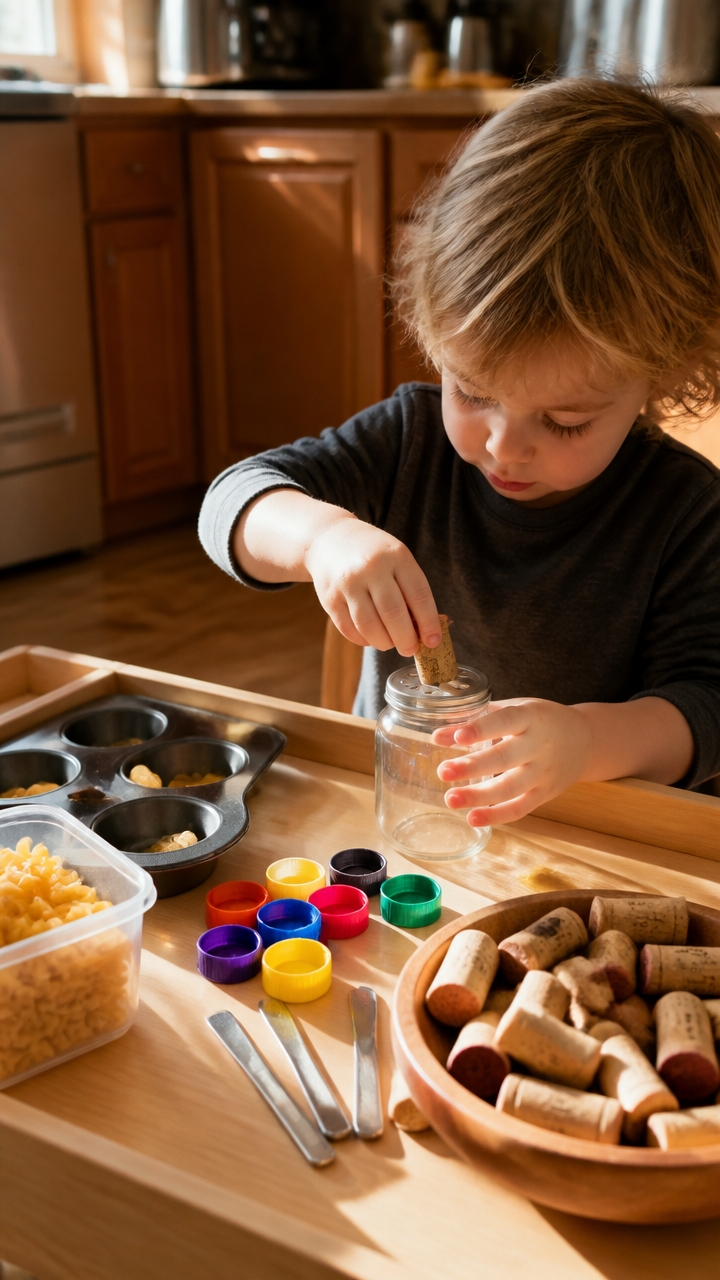
Everyday household items can be the secret to fun, memorable moments with your little ones while practicing fine motor skills. Use clothespins for pinching and matching, empty containers for stacking and filling, and old magazines for tearing and pasting. These activities fit seamlessly into everyday routines, helping children develop hand control and coordination, creating laughter and bonds that last.
Using Playdough and Clay to Strengthen Hand Muscles
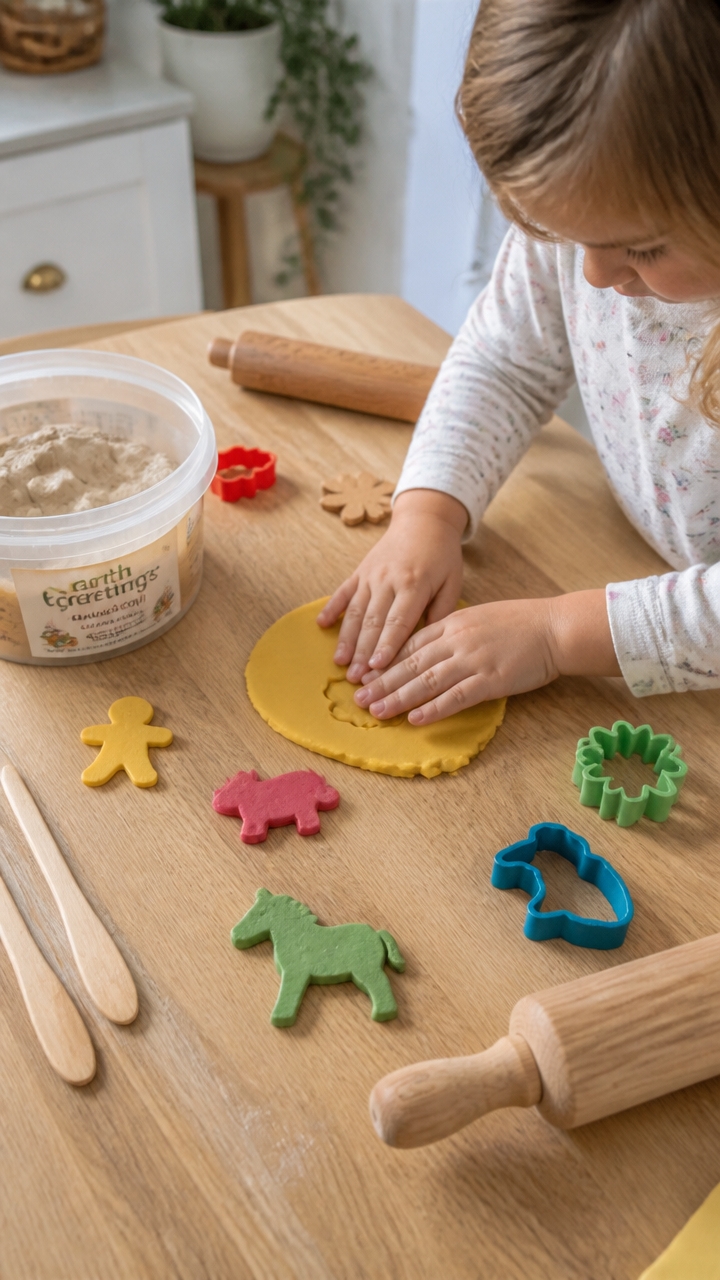
Using playdough and clay can turn simple moments into funny, memorable bonding times while strengthening your child’s tiny hand muscles. Encourage squeezing, rolling, and shaping with safe, non-toxic materials. It’s a great way to boost fine motor skills, inspire creativity, and improve hand-eye coordination. Your family will enjoy these chaotic, silly, and unforgettable times of sensory exploration and muscle control.
Threading and Lacing Activities to Enhance Focus and Dexterity
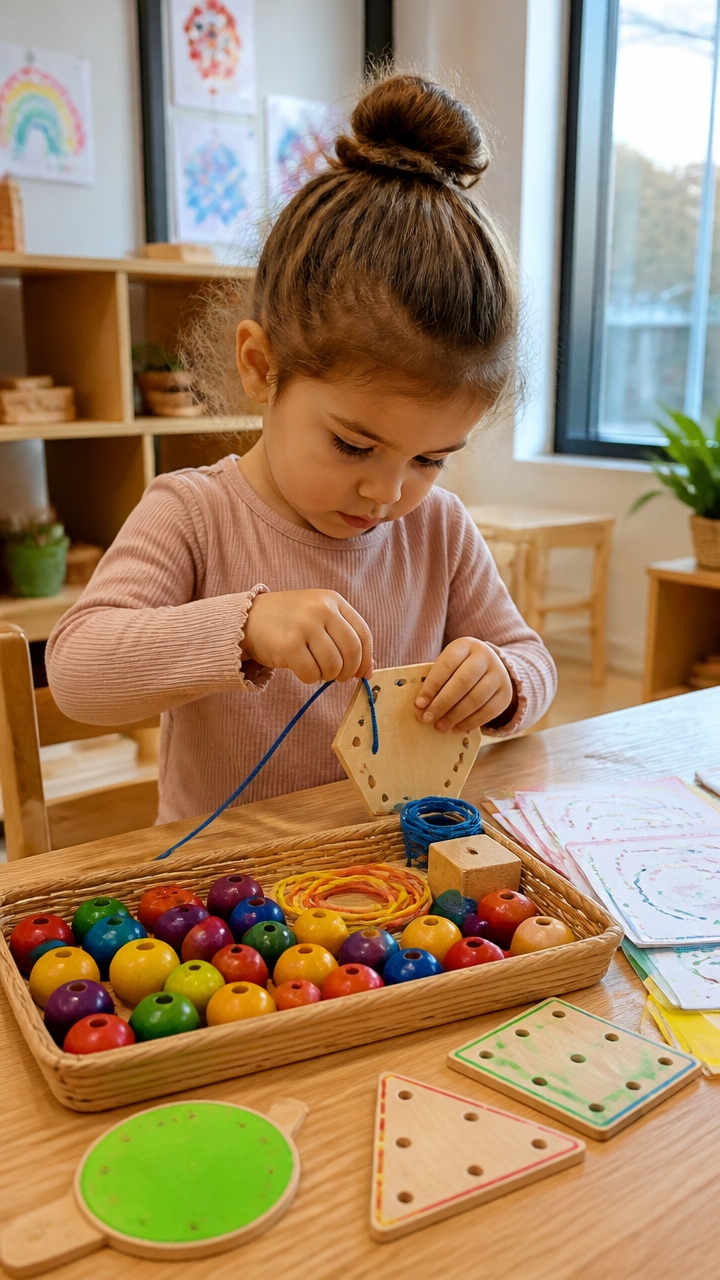
Engage your child in threading and lacing activities for a fun way to boost focus, dexterity, and fine motor strength. Use large beads, lacing cards, or colorful strings, encouraging safe play. It’s a great way to develop their pincer grasp, spark imagination with themed projects, and foster confidence. Laughter, creativity, and unforgettable bonding follow as your family improves skills together.
Practicing Dressing Skills: Buttons, Zippers, and Velcro
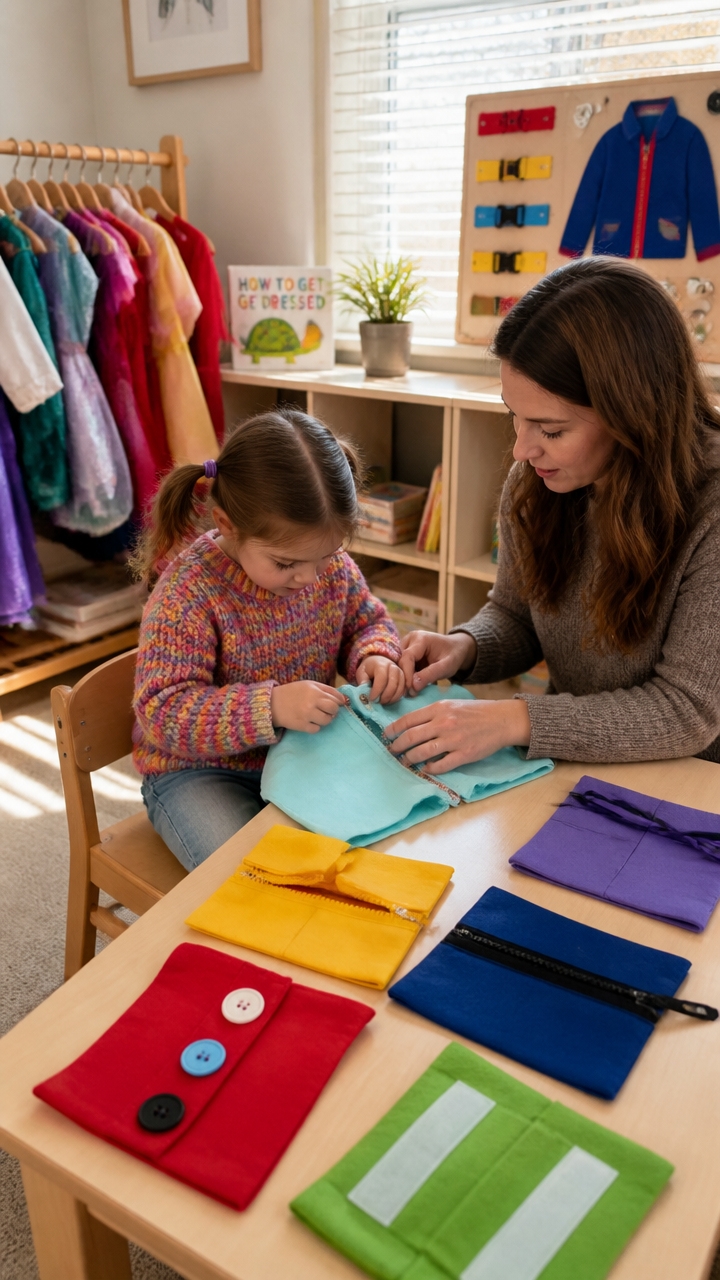
Practicing dressing skills like buttons, zippers, and Velcro can turn daily routines into fun, confidence-boosting activities. You, your family, can create a safe space with button boards, zipper puzzles, and Velcro dress-up sets. It’s a great way to strengthen grip and coordination, boost independence, and share laughter. These skills make dressing less chaotic and more memorable for everyone.
Incorporate Fine Motor Fun Into Bedtime Routines
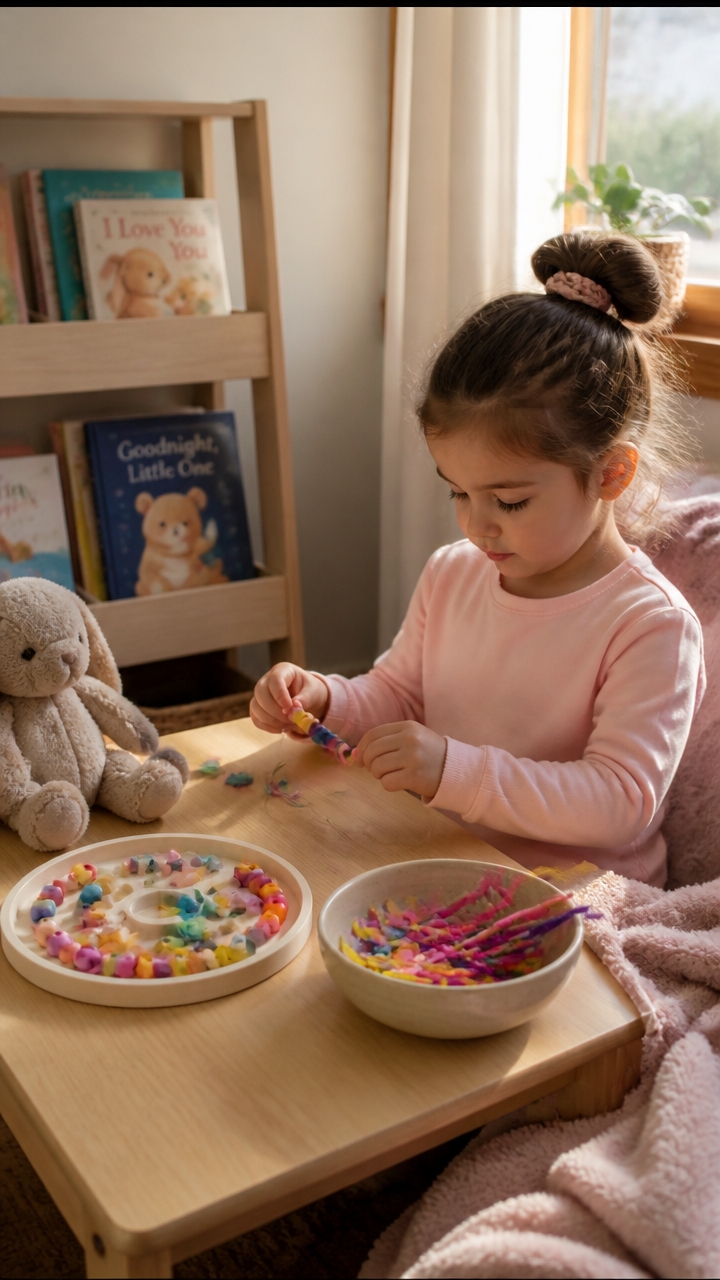
Creating a calming bedtime routine can turn into a wonderful chance to boost your child’s fine motor skills and build stronger bonds. Curate activities like creative folding of origami animals, tracing shapes in a soft sand tray, or sewing fabric squares, each skillfully enhances hand strength and dexterity. It’s a peaceful, laughter-filled way to end the day while helping your family grow.
Create a Safe, Stimulating Environment for Independent Play
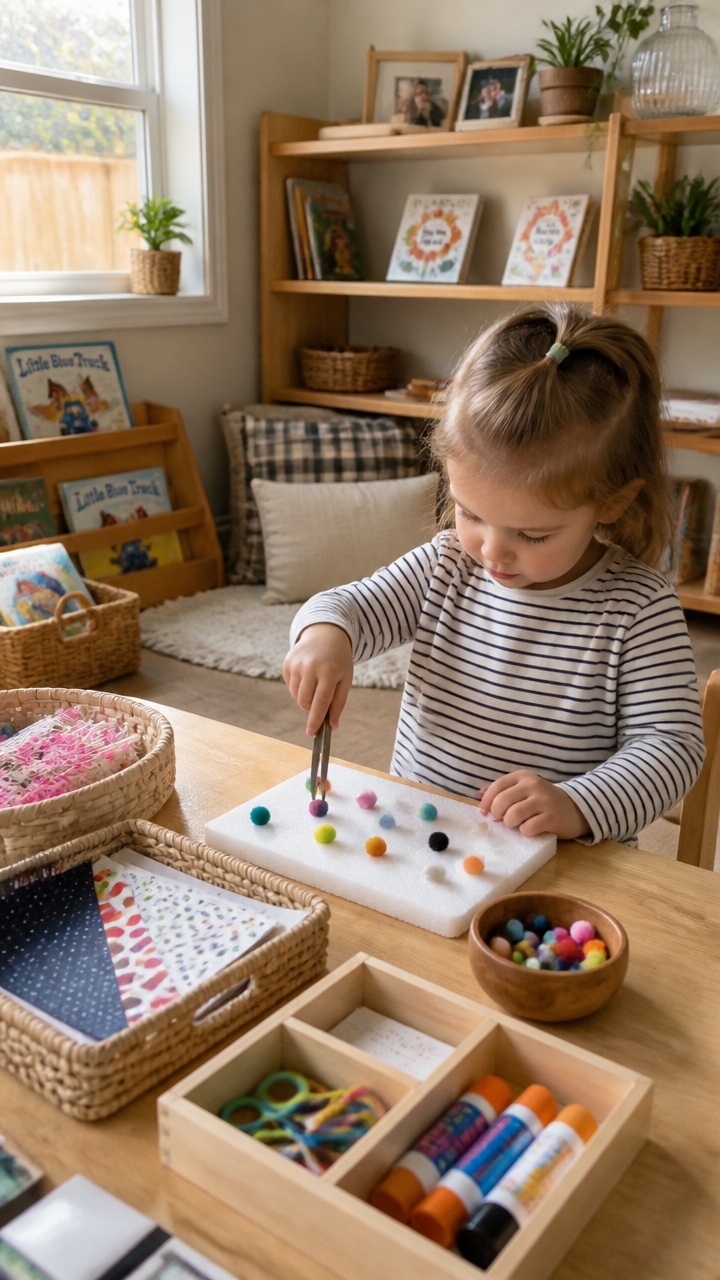
A lively and safe play space is key to encouraging your preschoolers’ independence and imagination. Create a stimulating environment with safe, age-appropriate materials like puzzles, arts, and sensory items. Curate engaging visuals and rotate activities often. It’s a great way to boost fine motor skills, foster confidence, and let your little one explore freely, laughing and learning in a safe, lively space.
Top Tips for Parents to Encourage Consistent Fine Motor Practice
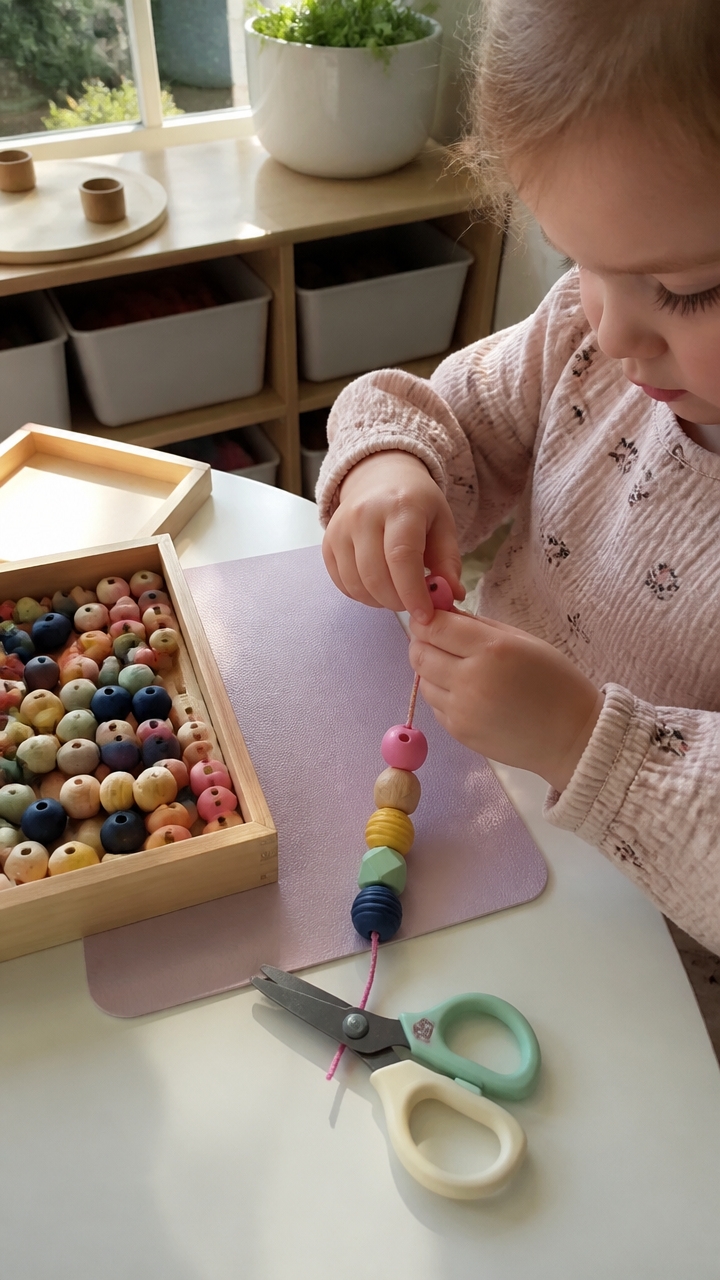
Encourage your little one to practice fine motor skills regularly, and you’ll see their confidence grow. Support fine motor by turning everyday tasks into fun activities for fine motor, like sorting laundry or mixing in the kitchen. Use chunky crayons, safe scissors, and playdough, these curated materials make practice safe, playful, and effective. It’s how bonds grow through shared, memorable moments.
Signs of Fine Motor Delays and When to Seek Support
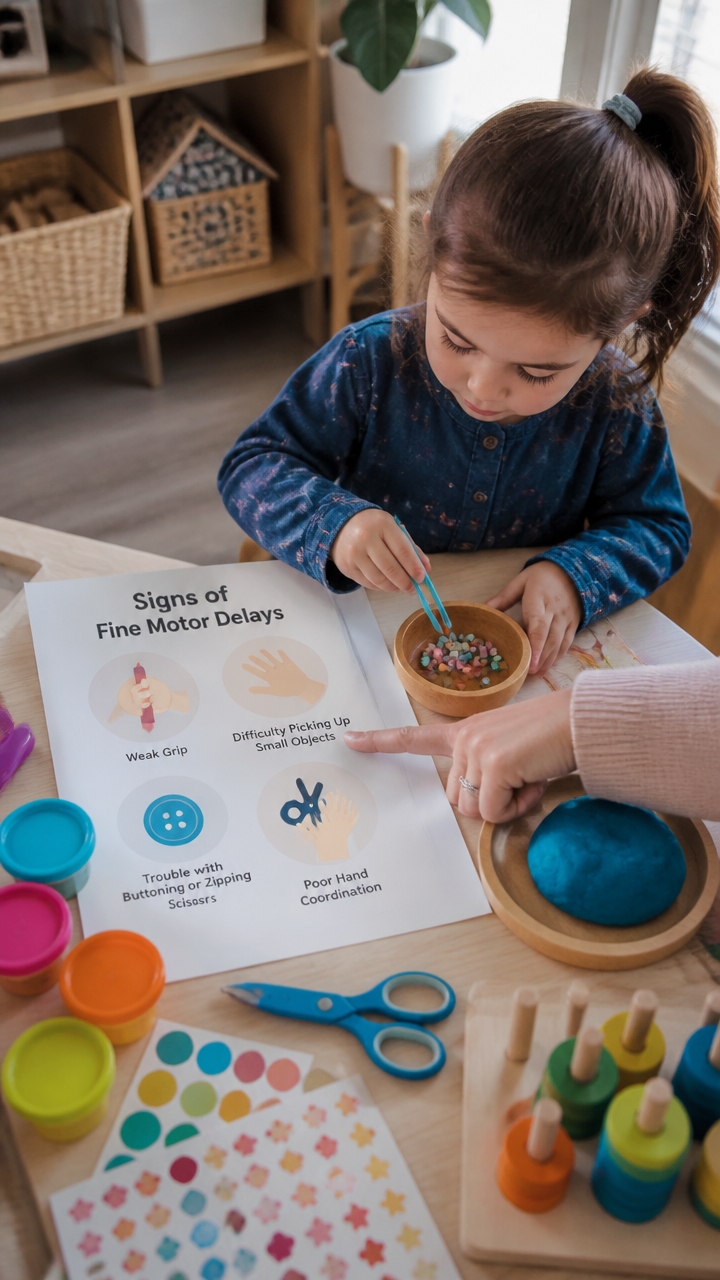
Noticing signs of fine motor delays can feel a bit alarming, but with a keen eye, you can catch issues early and support your child’s development. Watch for difficulty grasping small objects, struggles with self-feeding, or inconsistent hand use. A great way to support is to provide fun activities with beads, scissors, or puzzles, these help develop fine motor skills while sharing laughs and bonding.
Simple Strategies to Make Fine Motor Activities Fun and Motivating
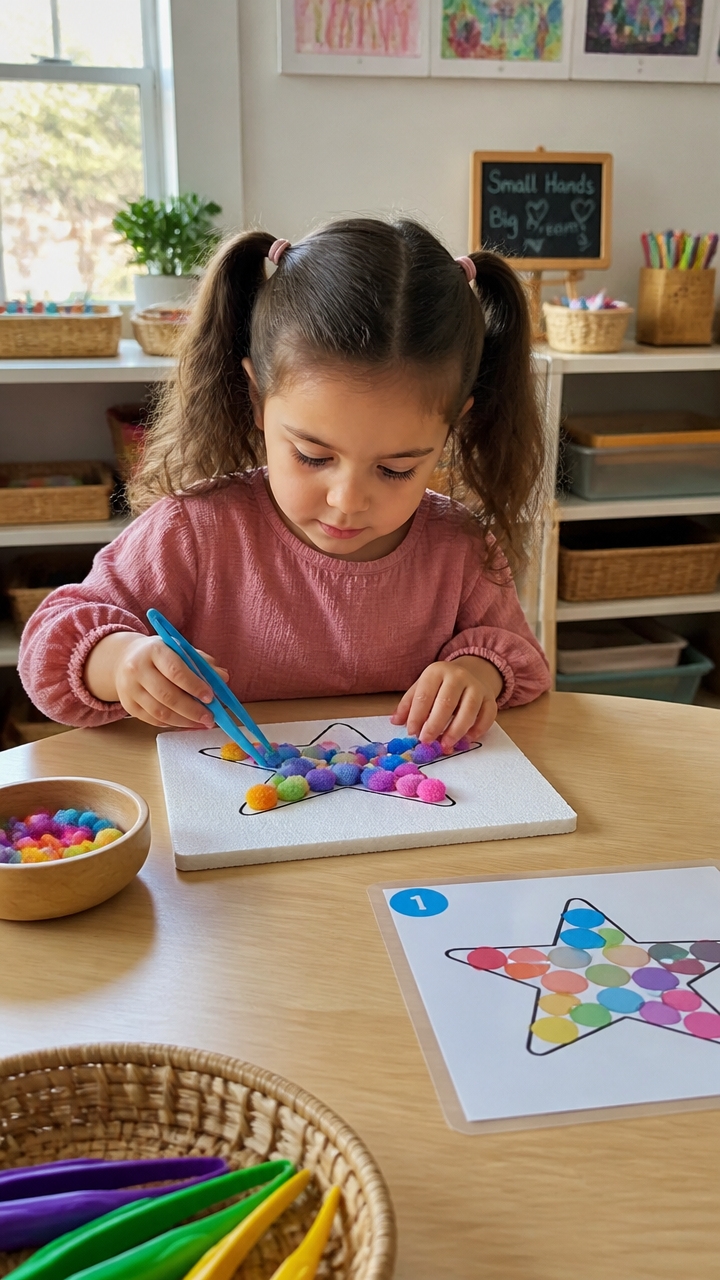
Making fine motor activities fun and motivating can turn a simple task into a joyful adventure. Help children imagine through simple play by creating themed sculptures or colorful crafts using chunky crayons and large beads. Incorporate playful challenges, like sorting or peeling stickers quickly. It’s a wonderful way to boost their confidence, foster creativity, and make helping children excited about learning.
How Preschools Promote Fine Motor Development Daily
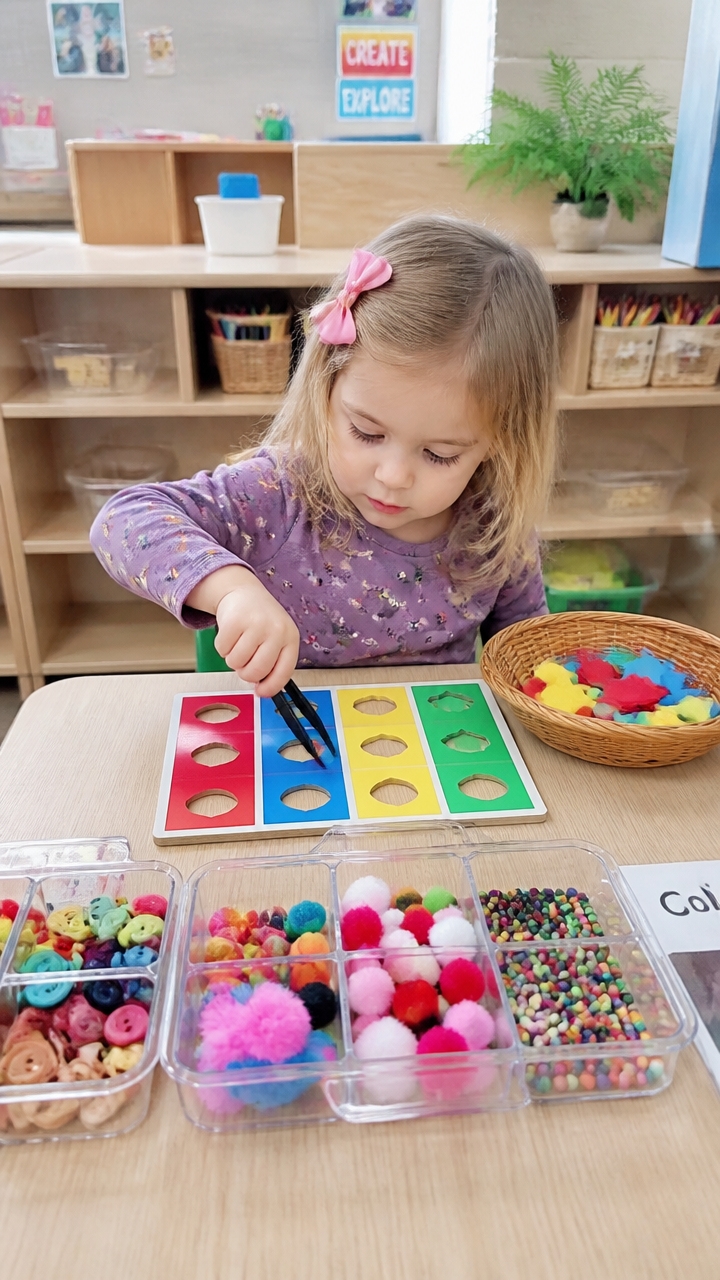
Spending every day actively promoting your child’s fine motor skills can lead to unforgettable bonding moments and hilarious chaos. You’ll want to set up safe activities like manipulating playdough, building with blocks, or practicing buttoning shirts. It’s a great way to support early development, boost social skills, and enjoy playful moments that build confidence while keeping safety first.
Incorporate Fine Motor Skills Into Storytime and Group Activities
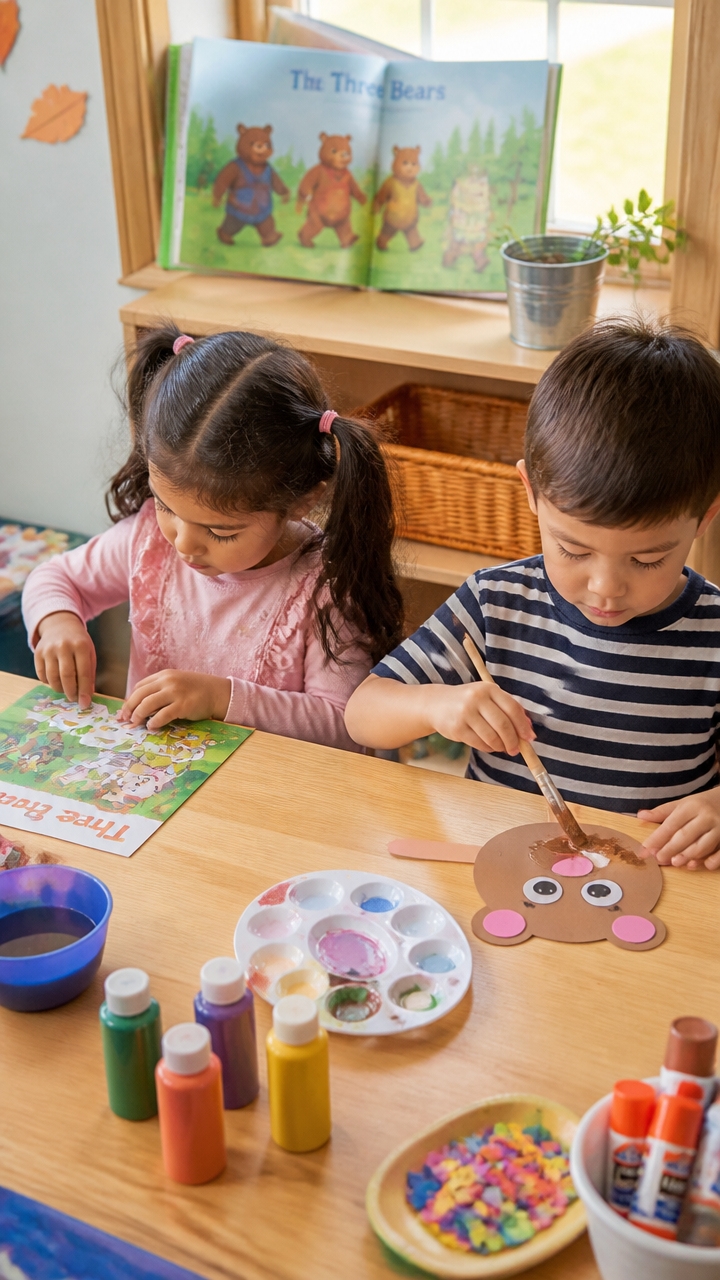
Incorporating fine motor skills into storytime and group activities can turn ordinary moments into memorable bonding experiences. Motor skills help strengthen hands, improve coordination, and boost confidence. You can use puppets for storytelling, cut paper for themed crafts, or write in sand trays. It’s a great way to make story sessions fun, safe, and educational while helping children develop their grip strength and creativity.
Celebrating Small Wins to Boost Confidence and Independence
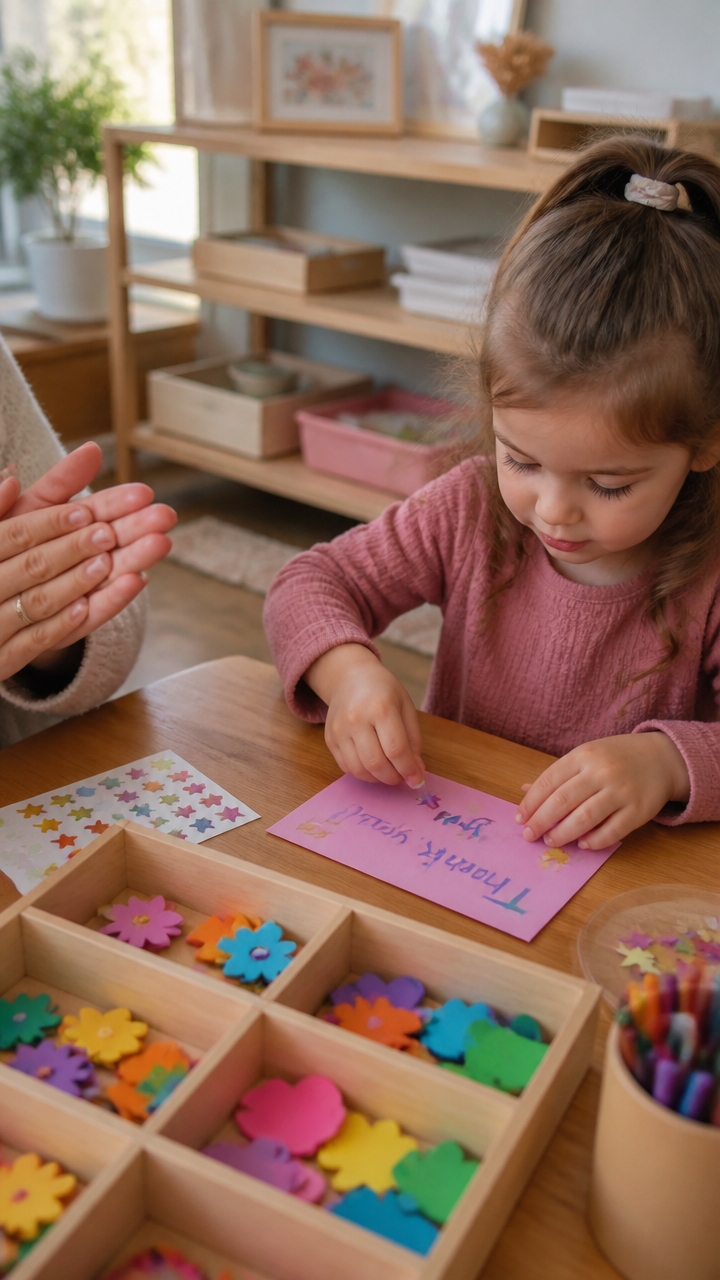
Celebrating small wins creates laughter, pride, and unforgettable bonds in your family’s daily routines. To boost confidence and independence, consider these tips: 1. Praise efforts like threading beads or buttoning shirts. It’s a great way to reinforce progress. 2. Use cheerfulness and claps, making achievements seem fun. 3. Focus on the effort, not just the final result, to build resilience.
Final Takeaways
You’ve got this! Engage preschoolers with activities that transform their small hands into confident creators, such as bead stringing, sensory bin exploration, and simple craft projects. These activities are not only fun but also highly effective in developing fine motor skills, hand-eye coordination, and sensory awareness, which are essential for early childhood development.
Curating easy crafts or improvising with recycled materials sparks endless joy and encourages creativity. These simple yet resourceful activities make learning accessible and enjoyable, whether at home, in a classroom, or during homeschooling. Celebrating even small successes helps children feel proud and motivates them to try new challenges.
These joyful moments, filled with laughter, exploration, and bonding, are unforgettable. Keep nurturing your child’s imagination through engaging fine motor activities, and watch their skills and confidence soar in the most delightful ways.