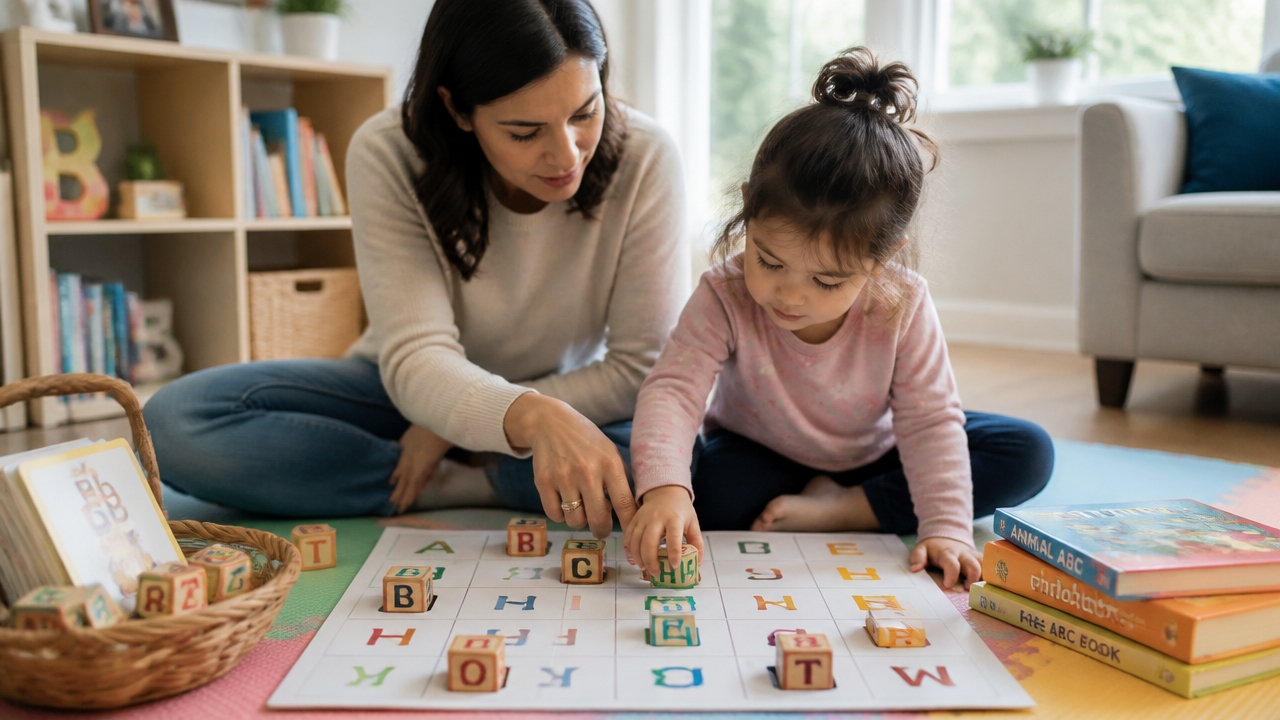
Getting your little ones to love the alphabet in 2026 might seem like a wild dream, but it’s totally doable, and unforgettable. You can try activities that turn learning into laughter, bonding, and a bit of playful chaos in the best ways. Whether you’re making colorful letter collages with construction paper and glue, jumping on alphabet hopscotch, or blending play-dough into letter shapes, these activities are designed to engage preschoolers and early learners in fun, hands-on ways.
These activities require minimal materials, like paper, markers, and play-dough, making them easy to set up for both home and classroom use. They foster letter recognition, fine motor skills, creativity, and early phonemic awareness while encouraging family involvement and playful exploration.
By integrating arts and movement, you’ll help preschoolers build confidence with letters in ways that feel natural and exciting.
Ready to discover how simple, creative ideas can make learning both fun and meaningful? Keep going, great things are just ahead.
How to Choose the Best Alphabet Activities for Preschoolers
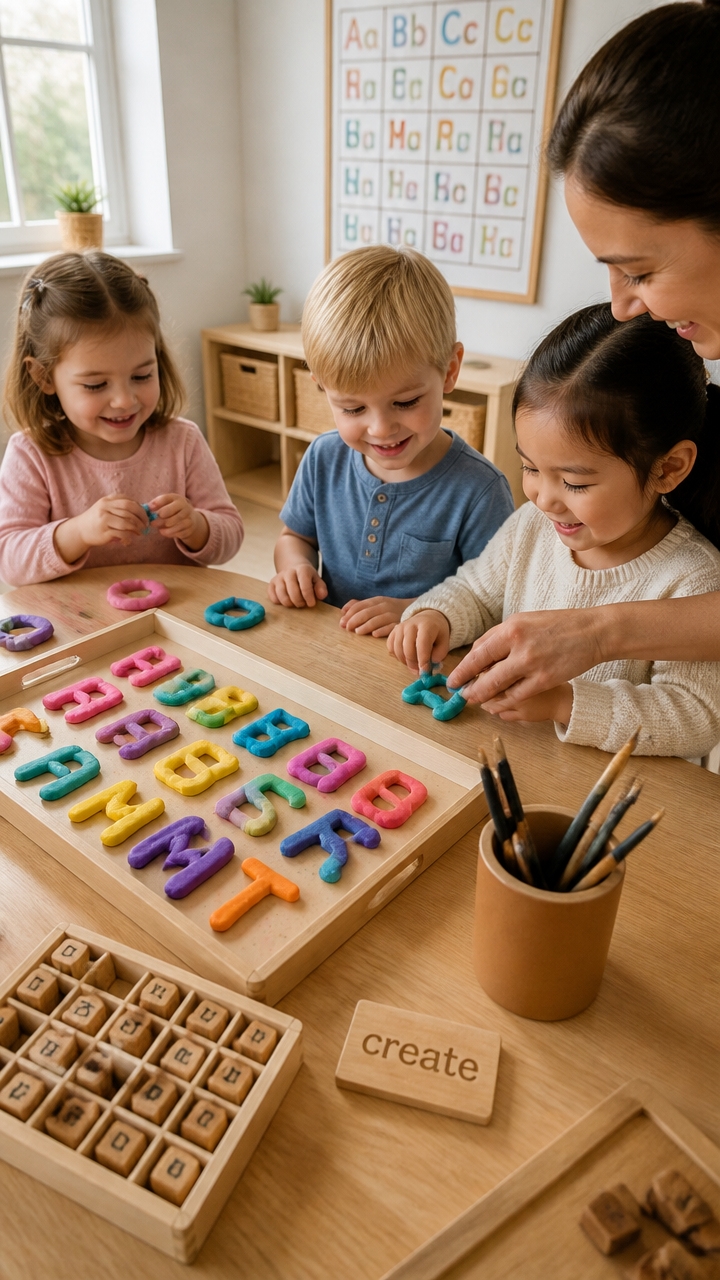
Ever wonder how to pick the best alphabet activities that genuinely spark your preschooler’s love for learning? Focus on Hands-On Alphabet Activities, like sensory bins or play-dough mats. Use play-based learning with scavenger hunts or interactive games. Incorporate fun activities with physical movement, such as hopscotch or yoga. It’s a safe, engaging way to boost letter recognition and create laughter-filled memories. Additionally, integrating creative math games can help reinforce learning through engaging, hands-on experiences that make education enjoyable.
Why Hands-On Learning Enhances Letter Recognition
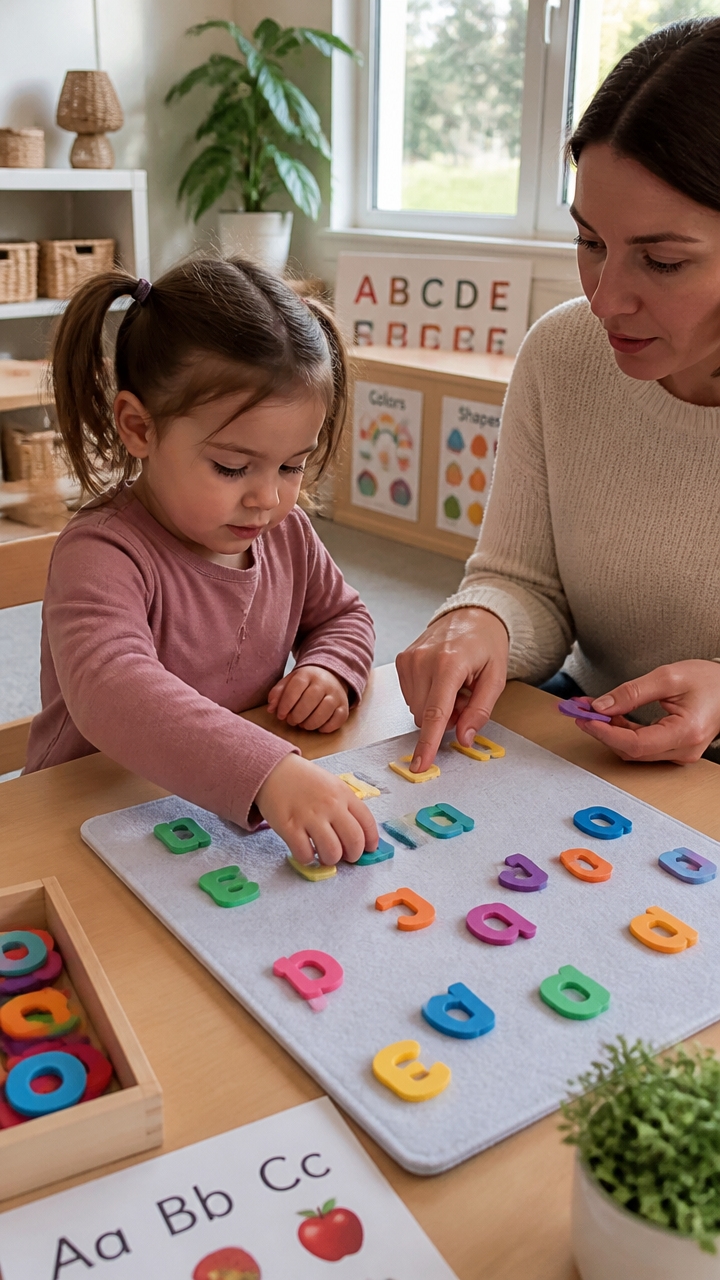
When you incorporate hands-on activities into your child’s learning, you create a joyful, memorable experience that boosts their letter recognition. Use sensory play like playdough and sensory bins, movement games such as hopscotch, and safe water painting. These activities are a great way to strengthen letter recognition skills, promote neural connections, and make learning fun, memorable, and safe for your family. Incorporating creative fine motor activities further enhances engagement and skill development.
Creative Arts and Crafts Ideas to Teach the Alphabet
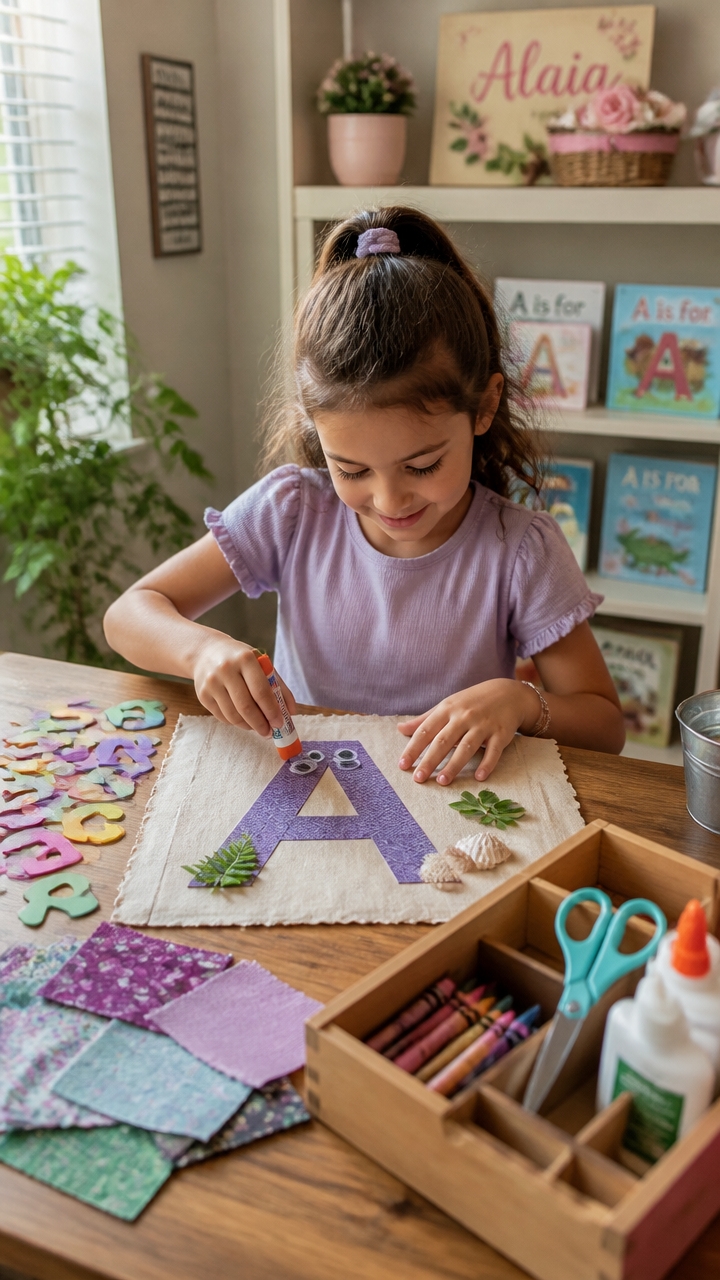
Getting creative with arts and crafts is a wonderful way to teach your child the alphabet while sparking their imagination. Use materials like tissue paper, googly eyes, and sponge paint to make letter collages, fill bubble letters, or create puzzles. It’s a fun, safe method to boost letter recognition, fine motor skills, and alphabet learning, bonding your family through colorful, hands-on projects. Incorporating Fingerprint Art Projects can introduce a unique, textured experience that enhances sensory development and makes learning even more memorable.
Fun Sensory Play Strategies for Alphabet Learning
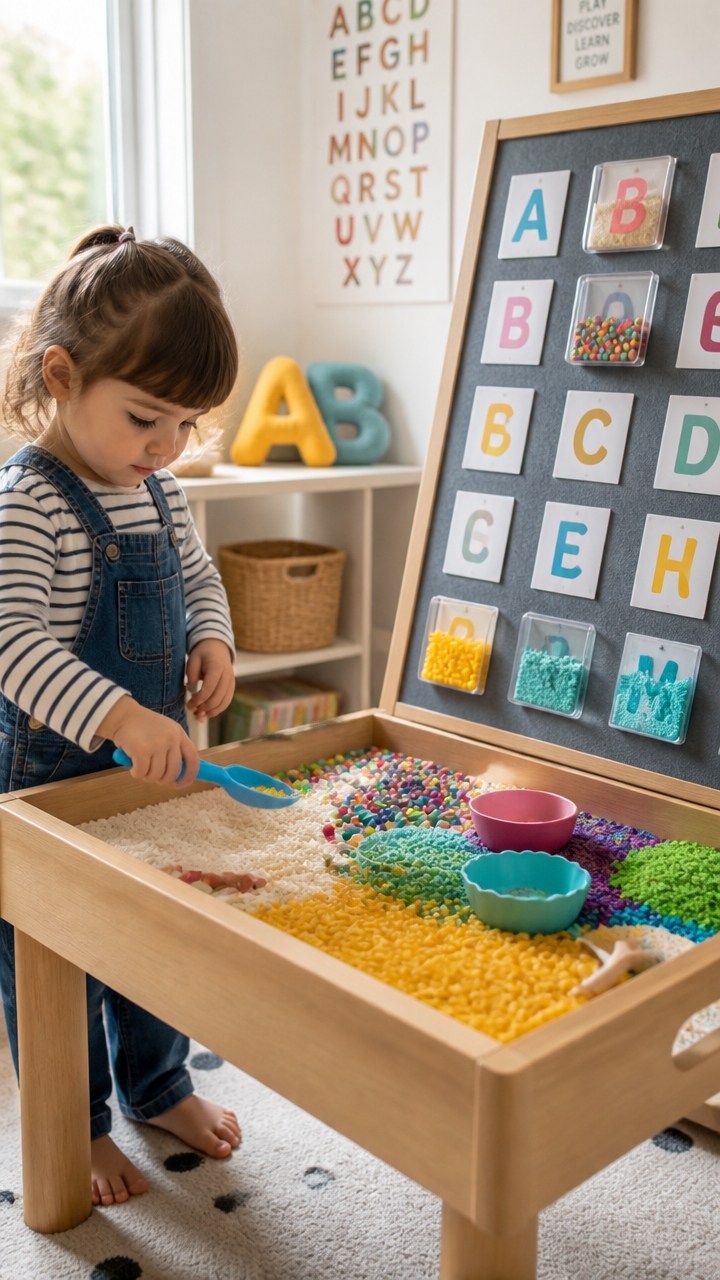
Engaging your preschoolers in fun sensory play is an unforgettable way to help them learn the alphabet. Try hiding letters in sensory bins with rice or beans, allowing kids to discover them and develop letter recognition through tactile fun. Use salt trays to trace letters, or create with play-dough, these activities for preschoolers boost fine motor skills and make learning memorable and safe.
Engaging Play-Based Activities for Early Literacy
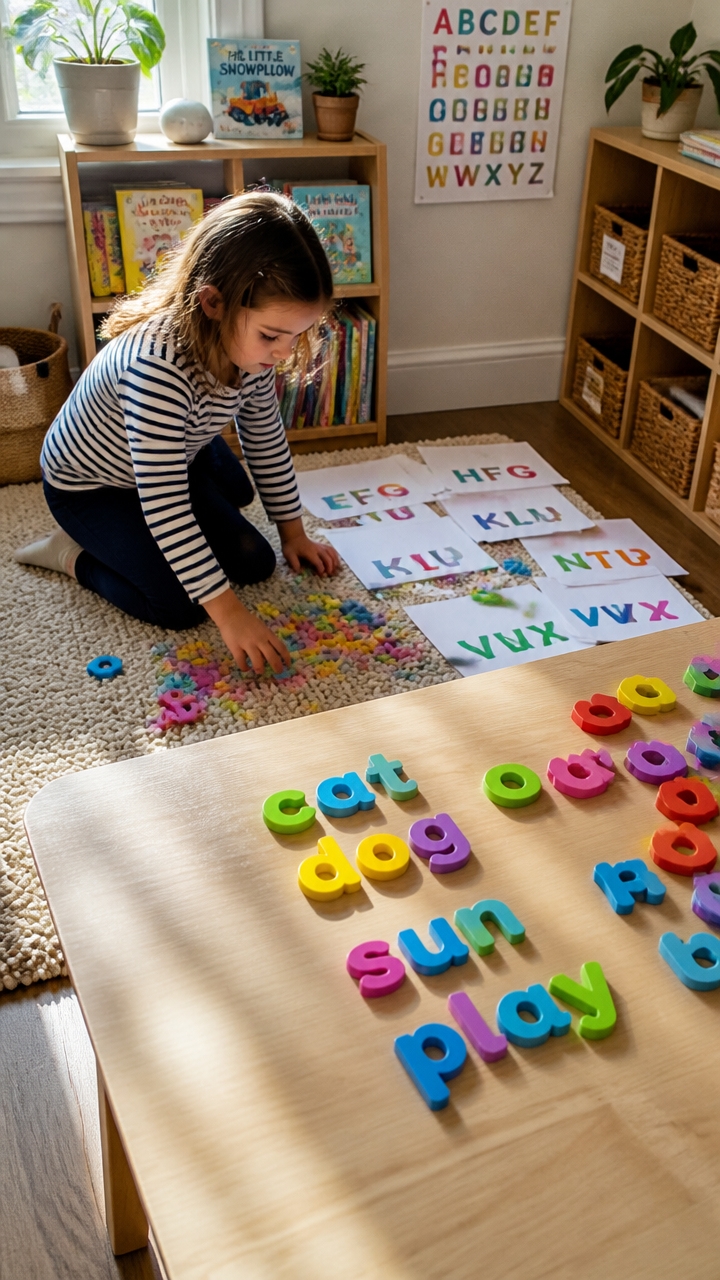
Playing is the heart of early literacy, and the right activities make learning letters feel like pure fun. To engage for kids, try creating alphabet sensory bins with rice or sand, hide foam letters, and let your children discover. Incorporate movement with Alphabet Hopscotch or Letter Yoga. It’s a joyful, safe way to boost early literacy and strengthen bonds through fun alphabet activities.
Incorporating Movement and Active Play Into Letter Practice
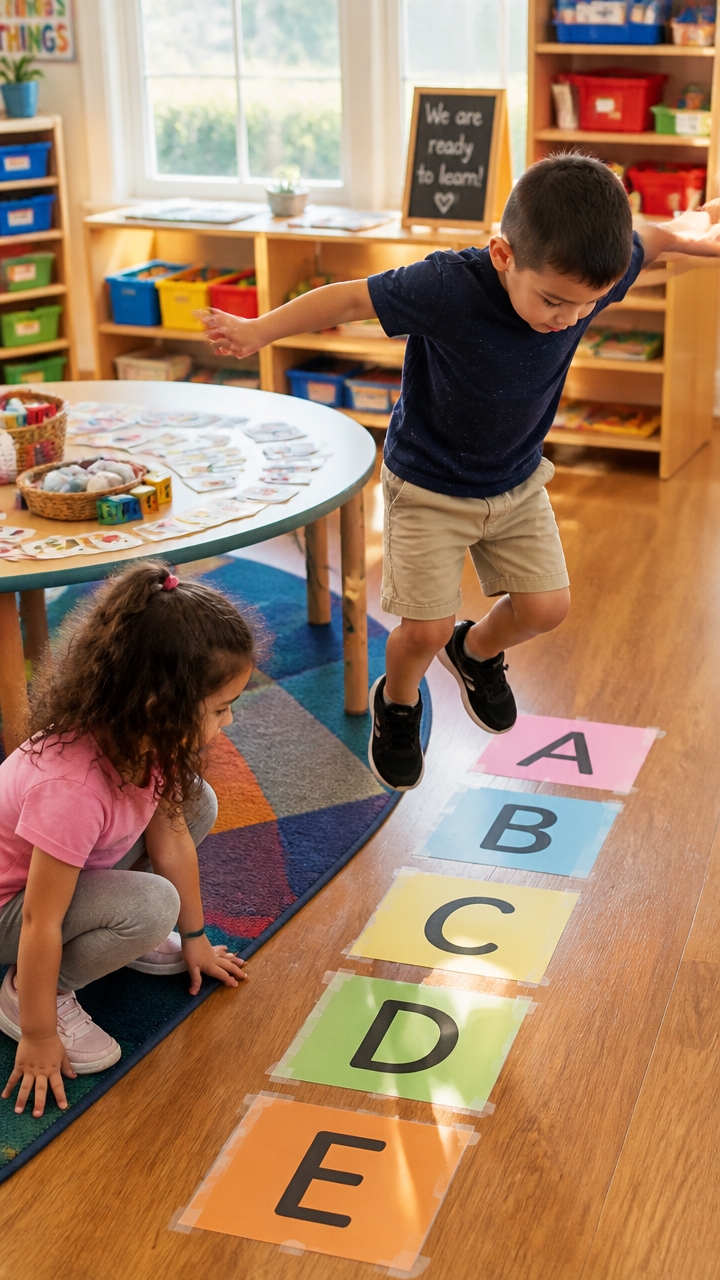
Nothing brings families closer and makes learning unforgettable like movement. Try these:
- Engage in Alphabet Freeze Dance, pause and shout the letter when music stops. It’s lively and fun.
- Play letter scavenger hunts, hide letters, and find them while identifying sounds. It’s engaging and encourages letter recognition.
- Do yoga poses for each letter, stretch and balance while learning. It’s calming and keeps preschoolers active.
Movement makes learning memorable and safe, strengthening bonds through active play.
Visual Aids and Printables That Make Learning the Alphabet Easy
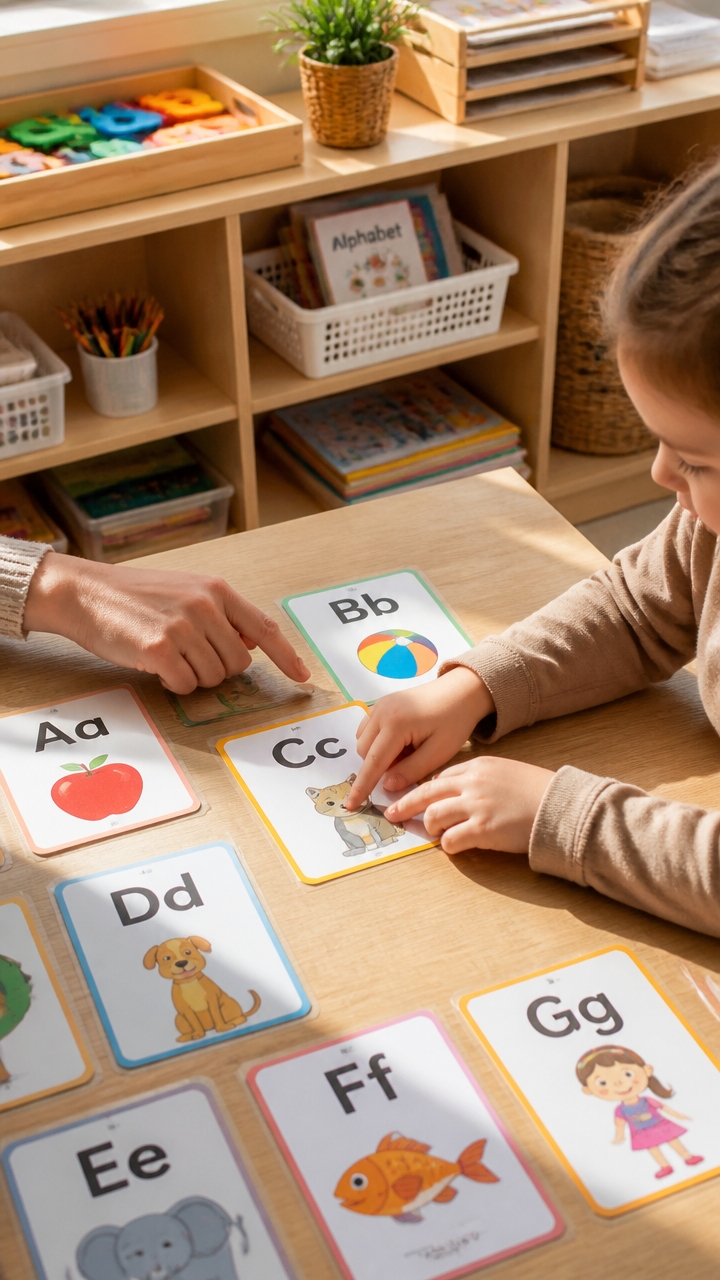
Learning the alphabet becomes more memorable when you use colorful, well-designed visual aids and printables that catch your child’s eye. Make sure your printables include simple activities like tracing, matching, and coloring letters, with cheerful images connecting letters and objects. It’s a great way to boost letter recognition and keep your family’s learning safe, fun, and unforgettable.
Daily Routines to Reinforce Alphabet Skills at Home and School
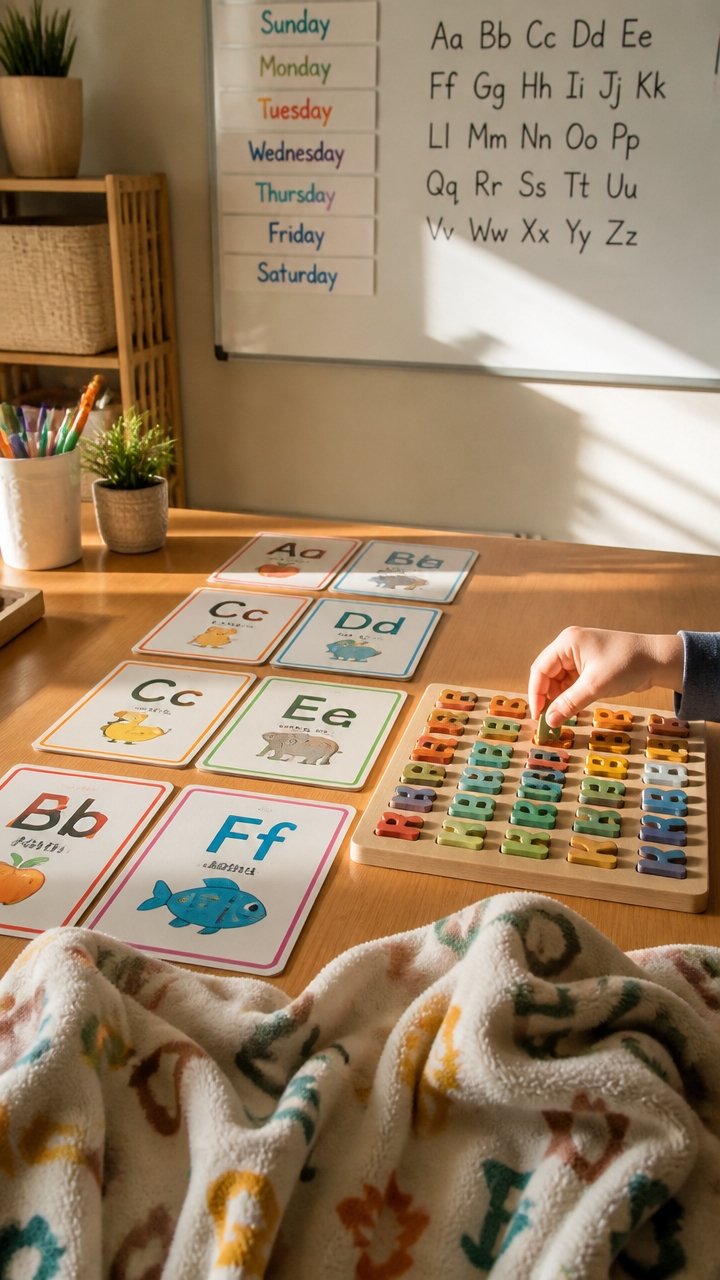
Incorporating alphabet activities into your daily routines turns ordinary moments into fun learning opportunities, creating bonds that last. 1. Sing alphabet songs during clean-up or changes, reinforcing letter sounds. 2. Use a letter-of-the-day calendar for crafts and snacks, engaging your child’s curiosity. 3. Label household items, helping your family recognize and reinforce letter skills safely and happily. It’s a joyful, secure way to learn every day.
Outdoor Alphabet Games to Make Learning Fun
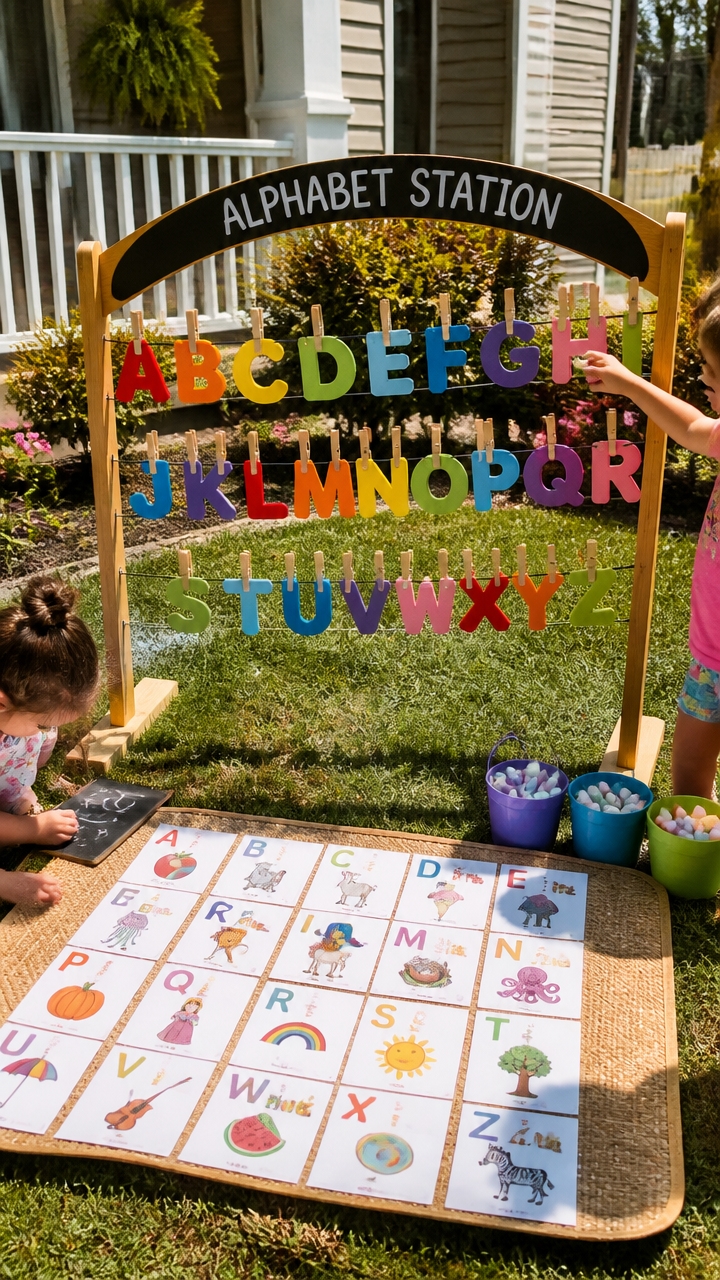
Outdoor alphabet games turn playtime into unforgettable moments filled with laughter and bonding. You can play outdoor alphabet games, like an Alphabet Scavenger Hunt, where your kids find objects starting with specific letters, boosting letter recognition and focus. Try Alphabet Hopscotch with chalk or create Big Letter Learning on the sidewalk for fun, active learning activities that focus on growth.
Healthy Snacks and Food Crafts That Promote Letter Recognition
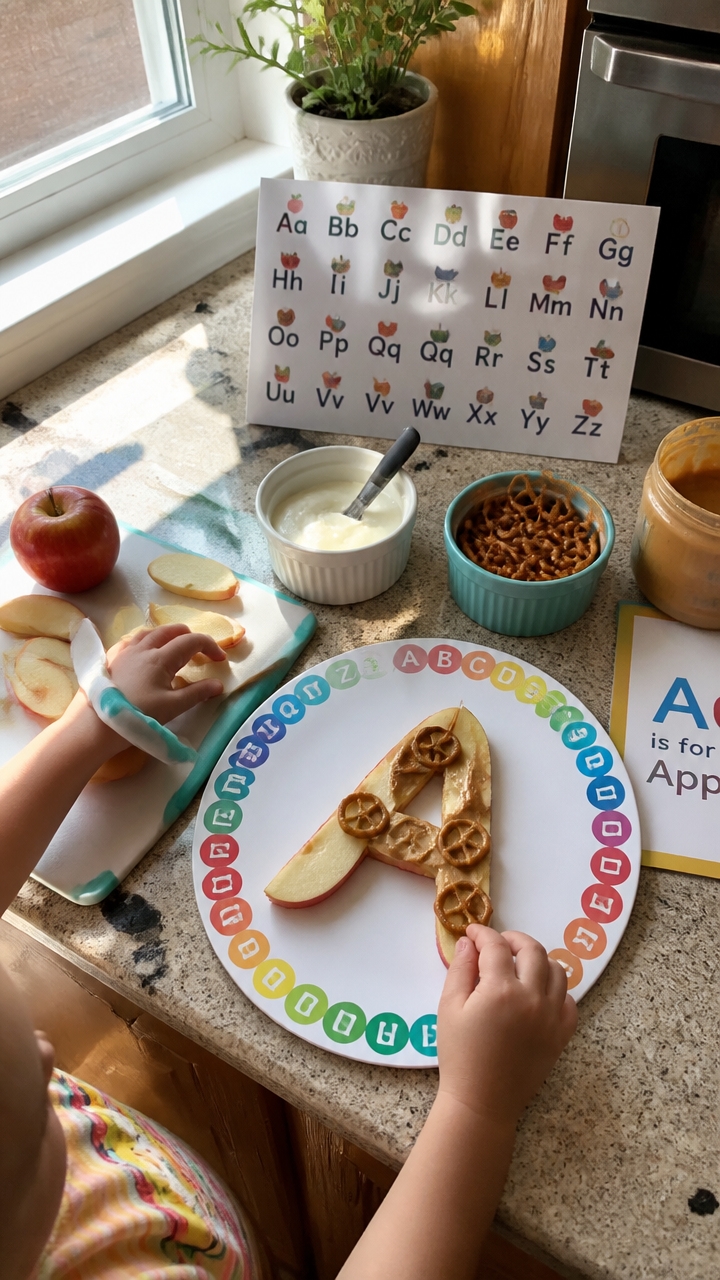
Getting creative with healthy snacks and food crafts can turn mealtime into a joyful, educational adventure for your little ones. Use safe, edible materials like apple slices, cucumber sticks, or colorful veggies to practice letter recognition. Make letter-shaped sandwiches with cookie cutters, or decorate biscuits with icing. It’s a fun, memorable way to promote healthy eating and preschoolers’ learning through playful food crafts.
Fine Motor Skills Activities to Support Alphabet Writing
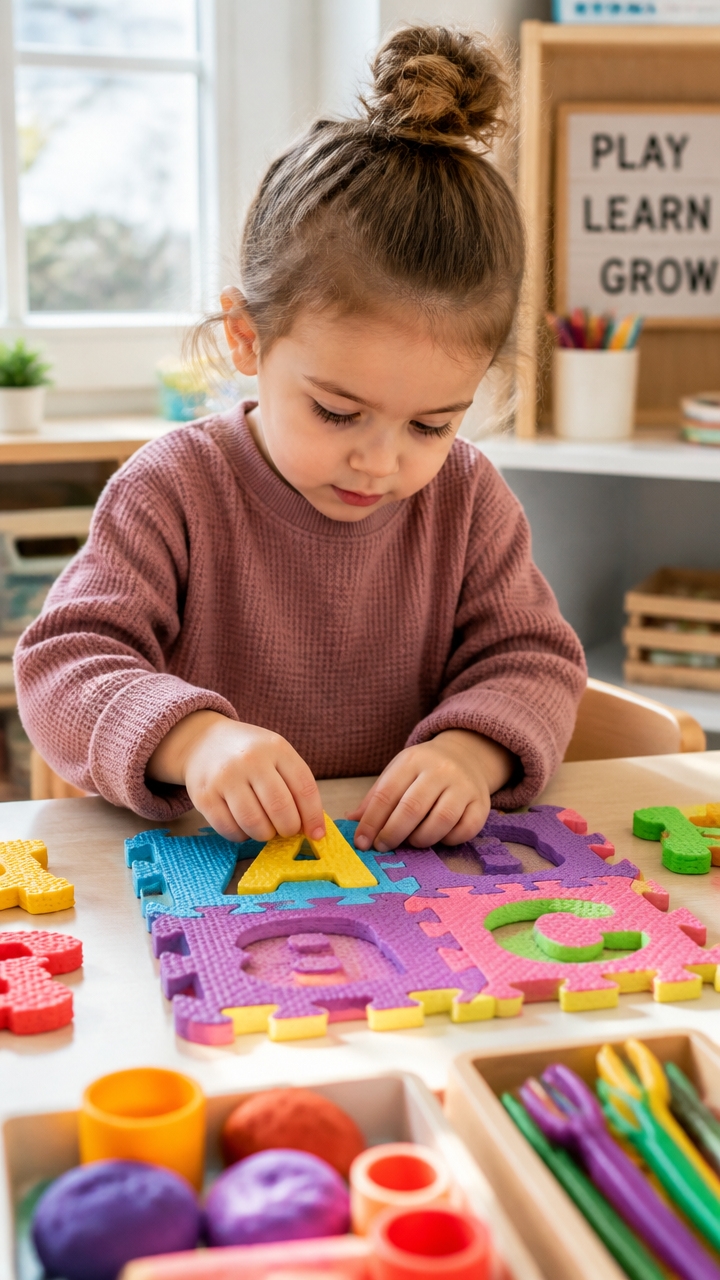
When you want your preschooler to improve their alphabet writing skills, fine motor activities are a wonderful place to start. Encourage letter tracing in salt, sand, or rice, these tactile activities boost fine motor skills and help with letter recognition. Use playdough to form letters, strengthening grip and creativity. Include small craft materials for dexterity, making learning both safe and fun.
Digital Apps and Games That Reinforce Letter Skills
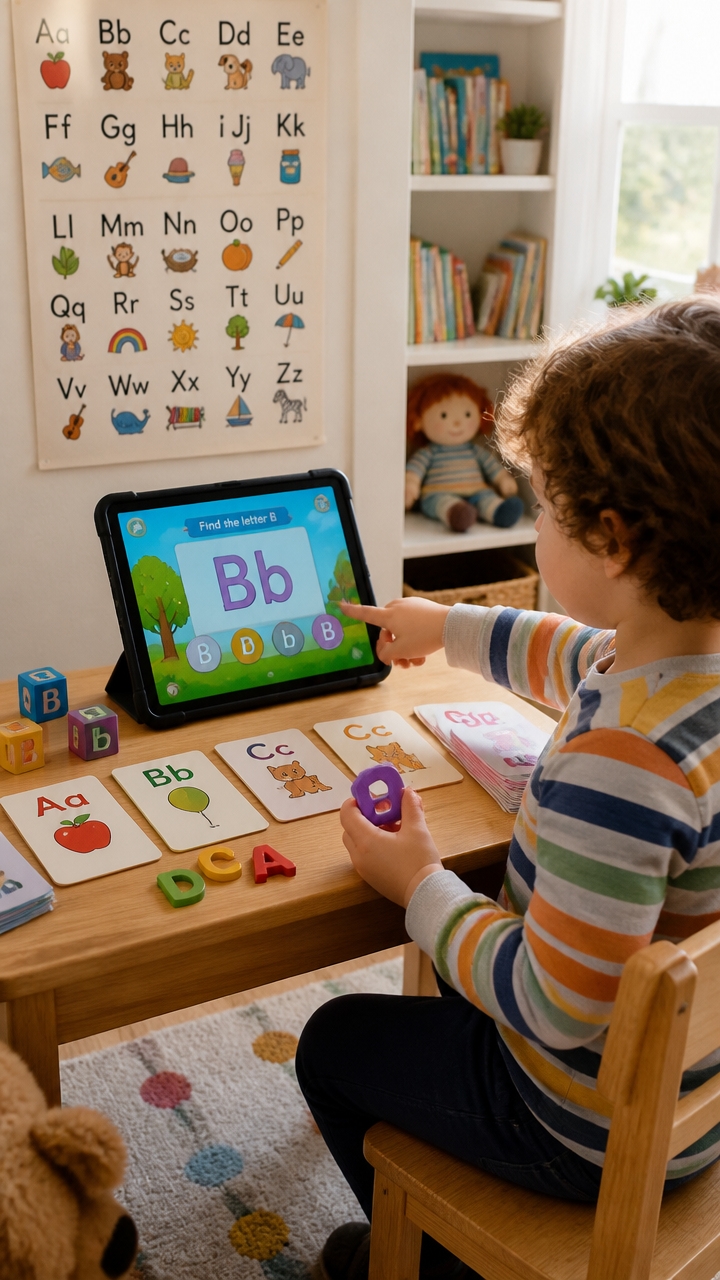
Digital apps and games are a fun way to help your preschooler master their alphabet skills and make learning feel like play. Use safe, curated digital apps like “Endless Alphabet” and “Starfall ABCs.” Interactive games improve letter recognition and phonics, while platforms like ABCmouse personalize lessons. It’s a great way to boost preschoolers’ confidence and create memorable learning moments.
Differentiating Alphabet Activities for Different Learning Styles
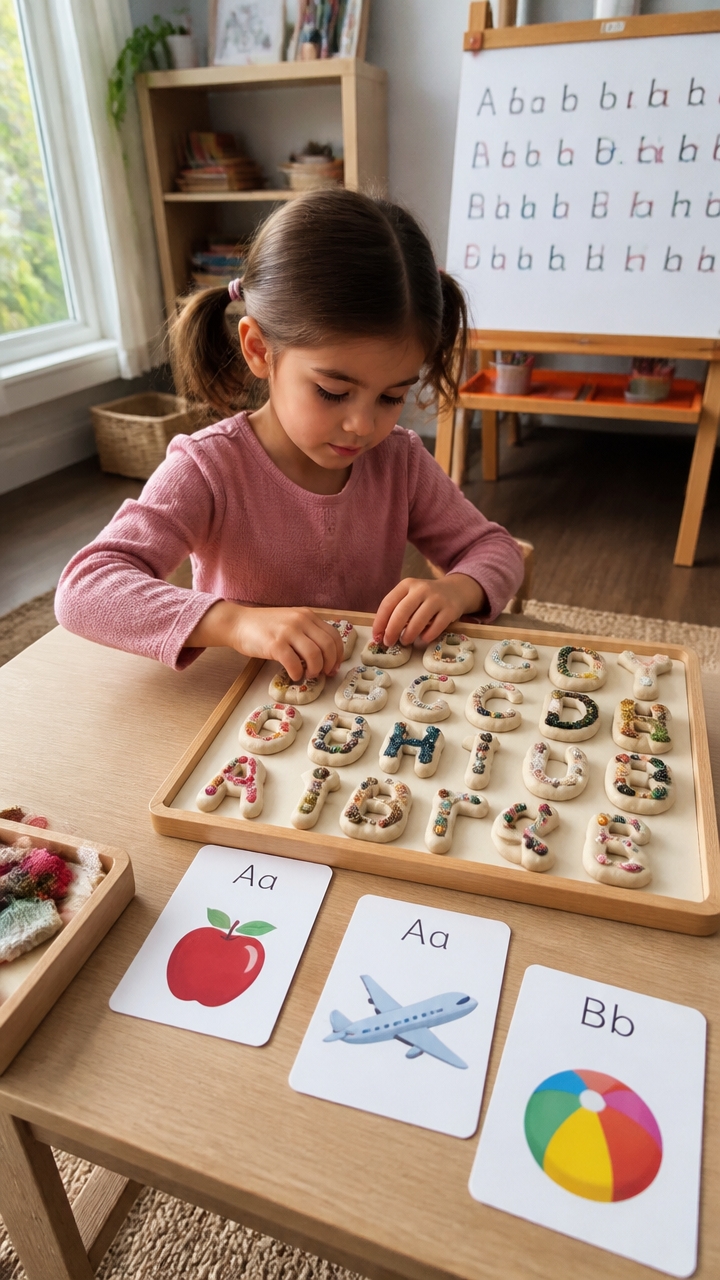
Different learning styles can turn alphabet practice into wonderful, memorable moments for your preschooler. To help with letter recognition, try hands-on activities like creating DIY puzzles or sensory bins. Incorporate movement for kinesthetic learners with hopscotch, and sing alphabet songs for auditory learners. It’s a safe, engaging way to meet multiple learning styles and make letter learning fun and unforgettable.
Tips for Keeping Preschoolers Motivated During Letter Practice
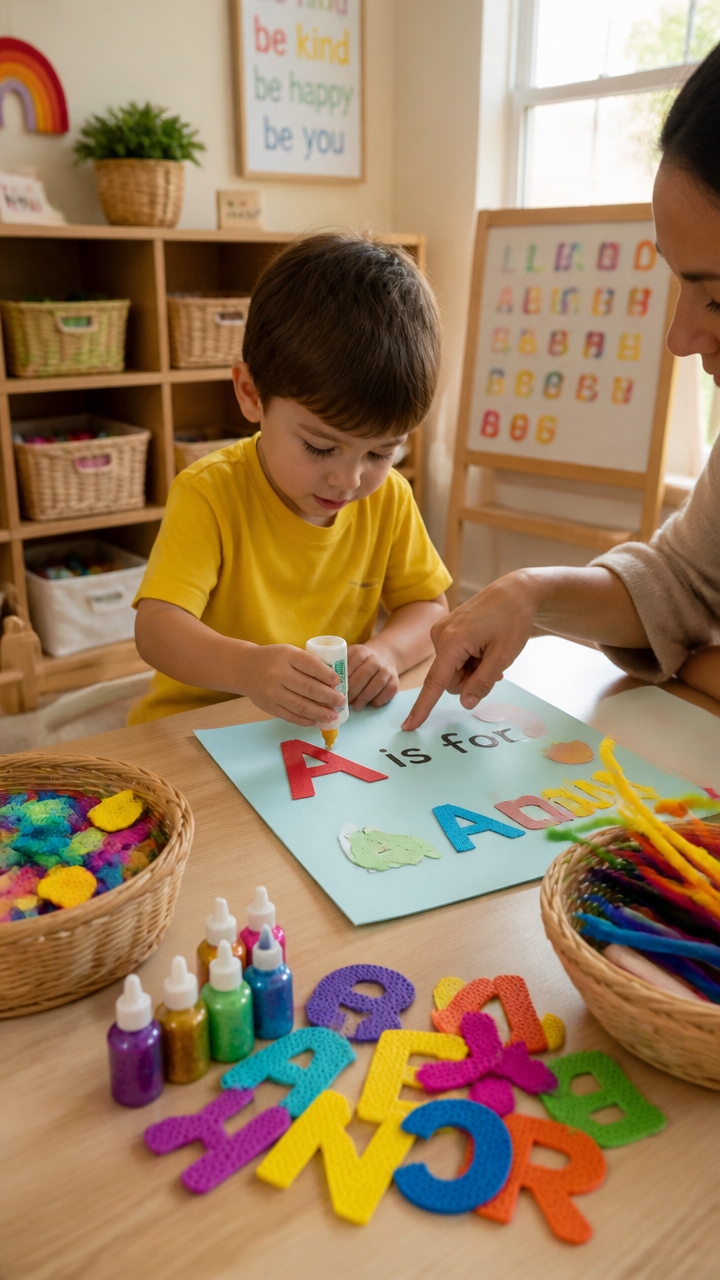
Making letter practice fun and memorable is a wonderful goal, and a little creativity goes a long way. Use alphabet activities like scavenger hunts, hide objects starting with specific letters, and make it interactive. Incorporate sensory materials, like sand or rice, to teach letter recognition playfully. It’s a fun and educational way to keep your preschooler motivated and excited about learning.
Using Manipulatives and Toys to Teach the Alphabet
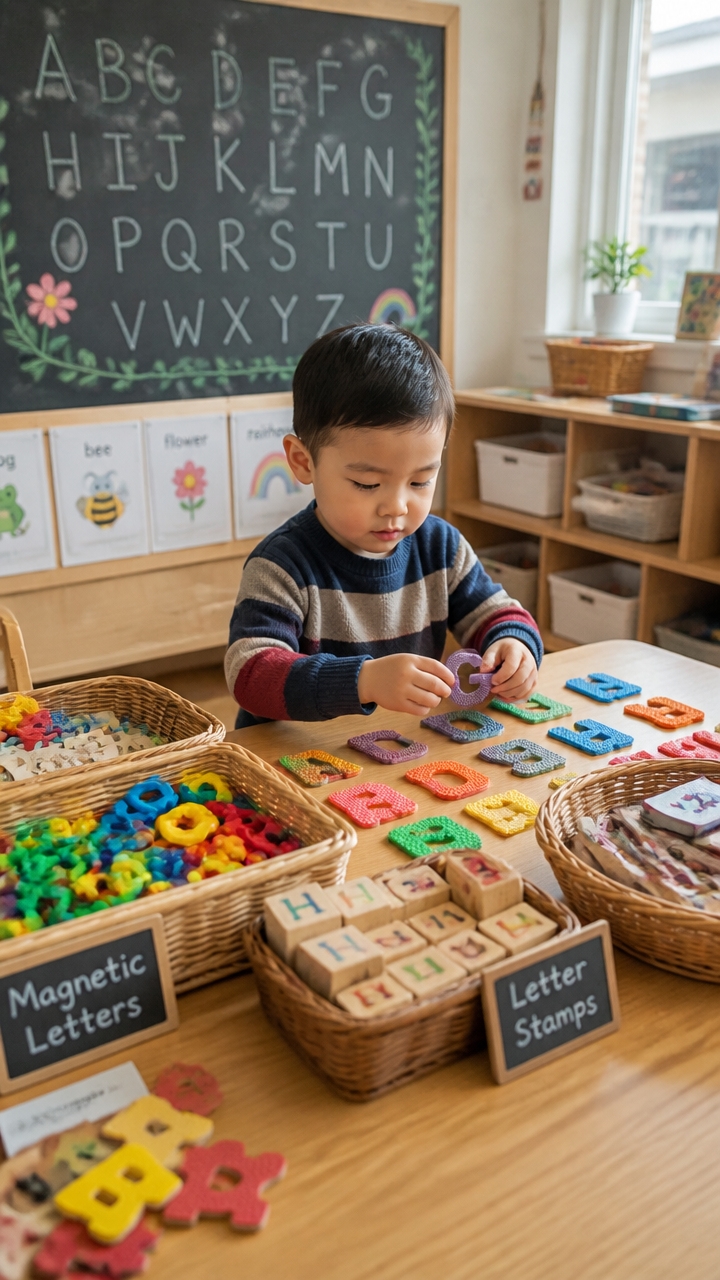
Using manipulatives and toys is a fantastic way to make alphabet learning memorable and hands-on. Always choose safe, non-toxic materials like letter blocks, magnetic letters, and lacing cards. It’s a great way to boost letter recognition and fine motor skills while having fun. Encourage your child to build, sort, or find hidden letters, making learning playful, safe, and unforgettable.
Creating a Literacy-Rich Environment at Home and in the Classroom
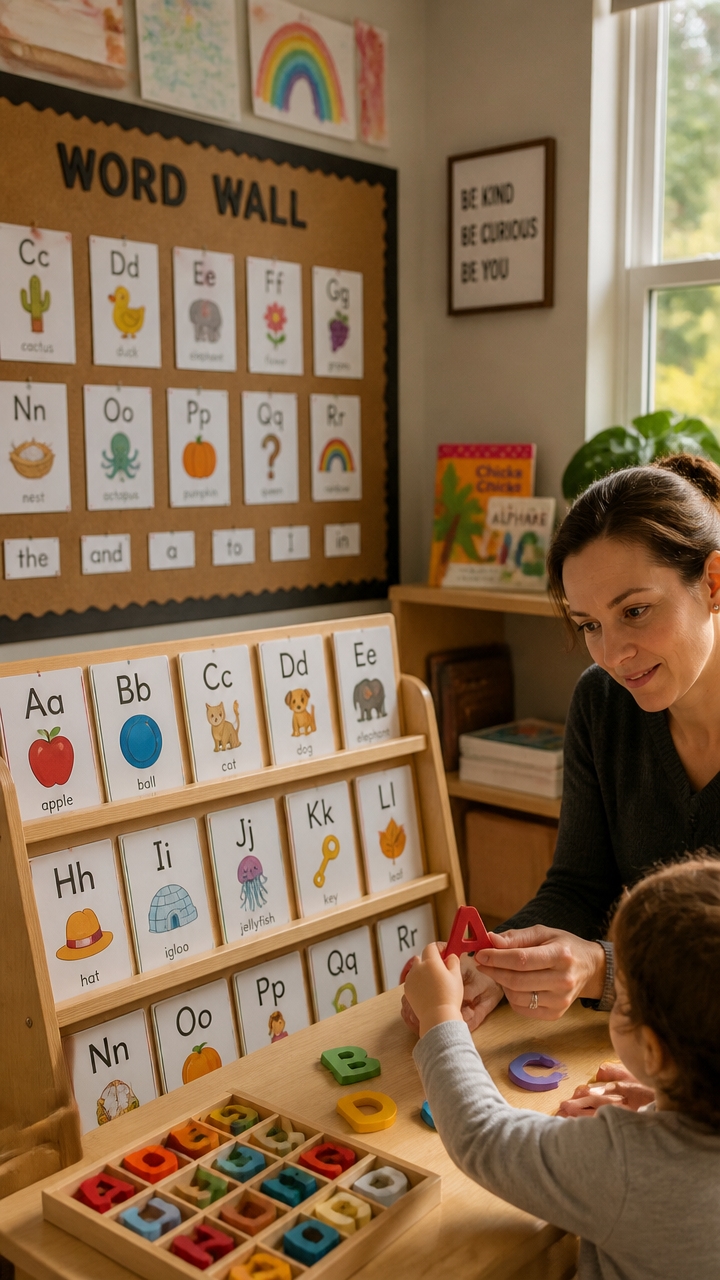
Creating a literacy-rich environment at home and in the classroom is an exciting way to make learning natural and joyful. You can display alphabet posters, include alphabet-themed books, and keep colorful writing materials accessible for new learners. It’s a great way to promote letter recognition and learning the letters, and to make literacy fun, safe, and truly unforgettable for your family.
Making Music and Movement Part of Alphabet Learning
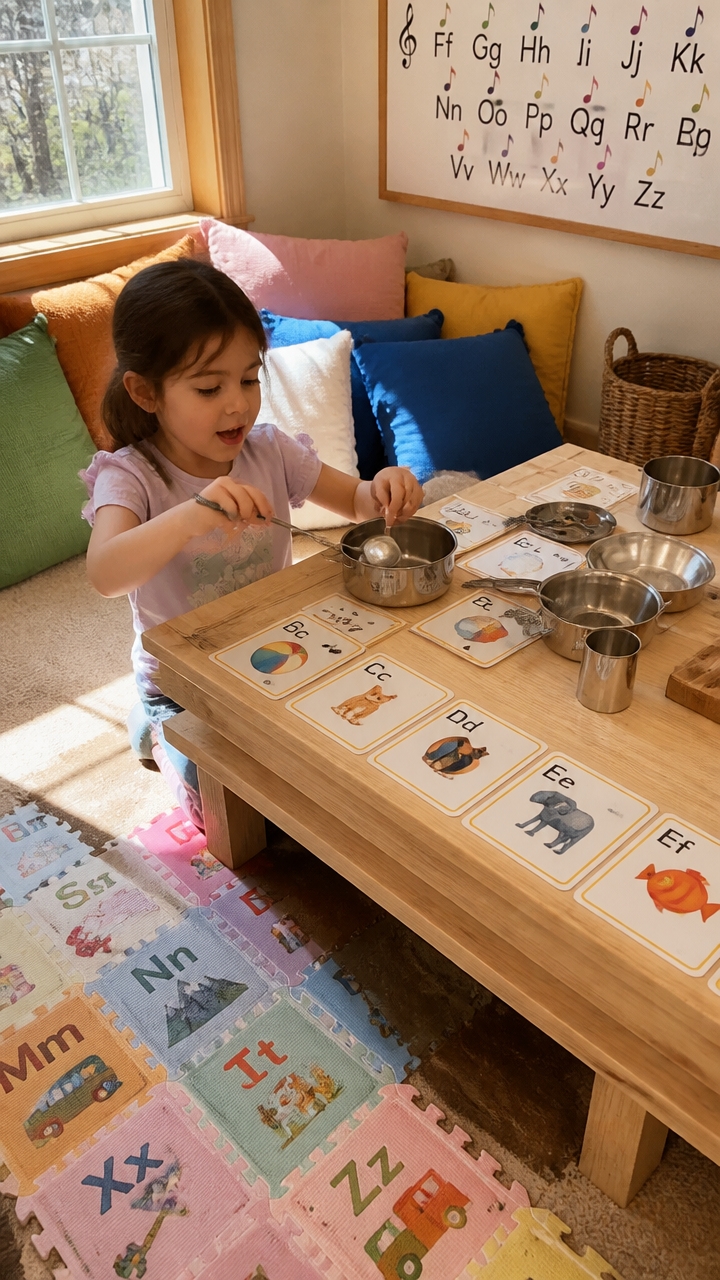
Playing with music and movement brings an exciting energy into alphabet learning that your family will love. Use safe, household items like scarves or beanbags to enhance engagement. Try Alphabet Freeze Dance, where children dance then freeze when a letter is called out. It’s a hilarious, active way to reinforce letter sounds, making learning joyful, memorable, and bonding your family through lively, safe fun.
Storytelling and Books That Spark Interest in Letters
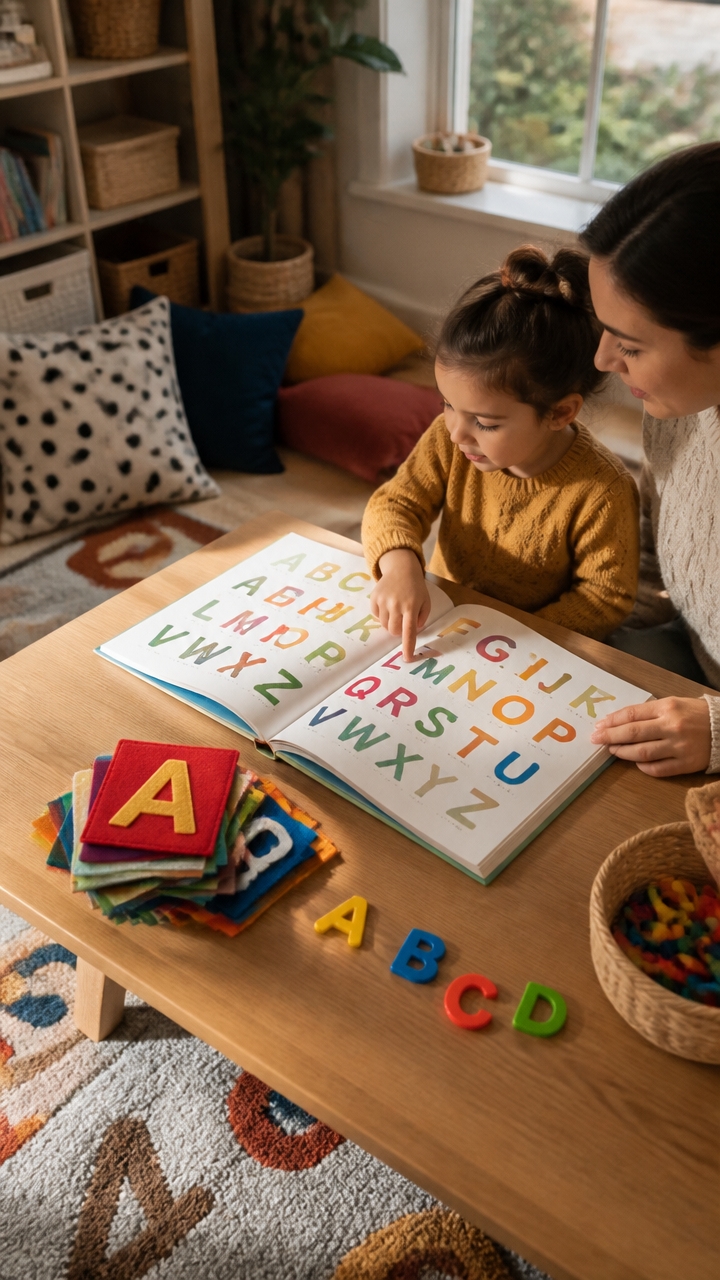
Have you ever seen your little one’s face light up during storytime? Engage them with vibrant alphabet books like *Chicka Chicka Boom Boom*, which combines rhythmic storytelling and colorful visuals. Encourage letter recognition and phonemic awareness by pointing out letters and sounds in stories. It’s a safe, fun way to cultivate early literacy, creating unforgettable moments and joyful learning bonds.
Monitoring and Supporting Individual Progress in Alphabet Skills
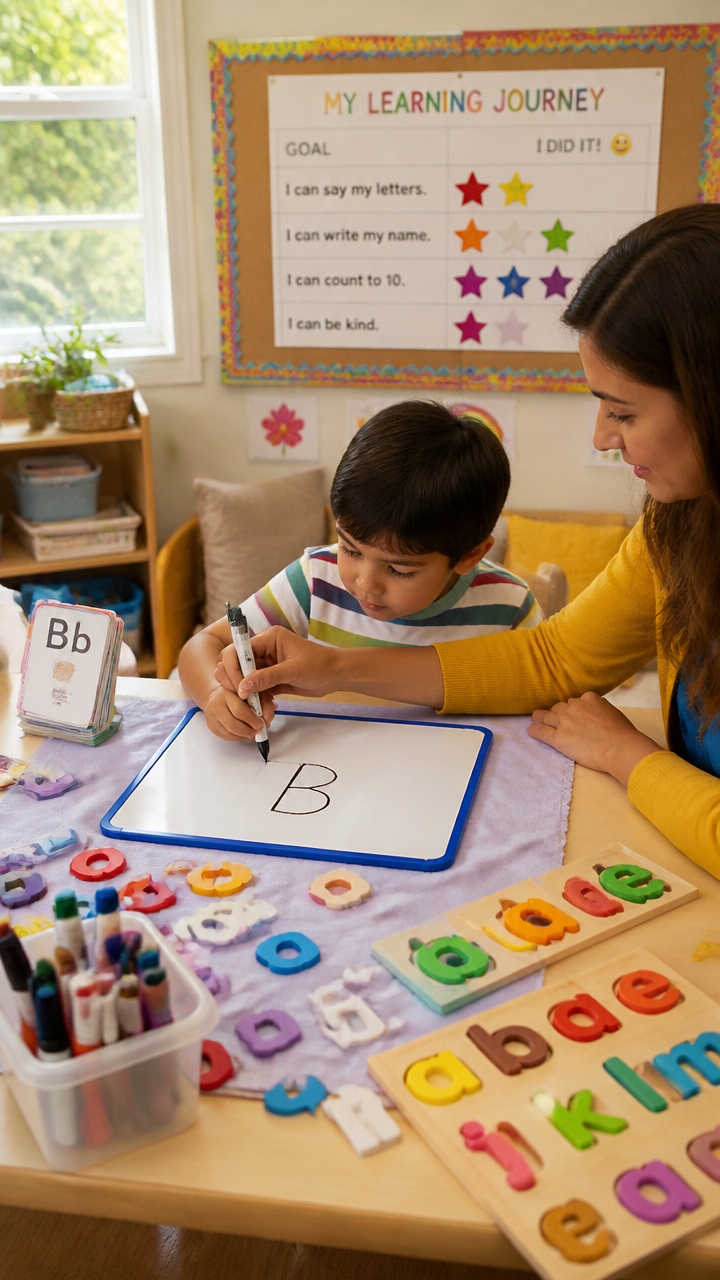
Monitoring your child’s progress in alphabet skills might feel overwhelming, but with a few simple strategies, you can keep track and support their growth every step of the way. Create individualized plans and use checklists for letter recognition, sounds, and writing. Regularly improvise engaging activities, share progress reports with family, and celebrate small wins. It’s a warm, lasting bond in every learning moment.
Connecting Letter Recognition to Early Reading and Comprehension
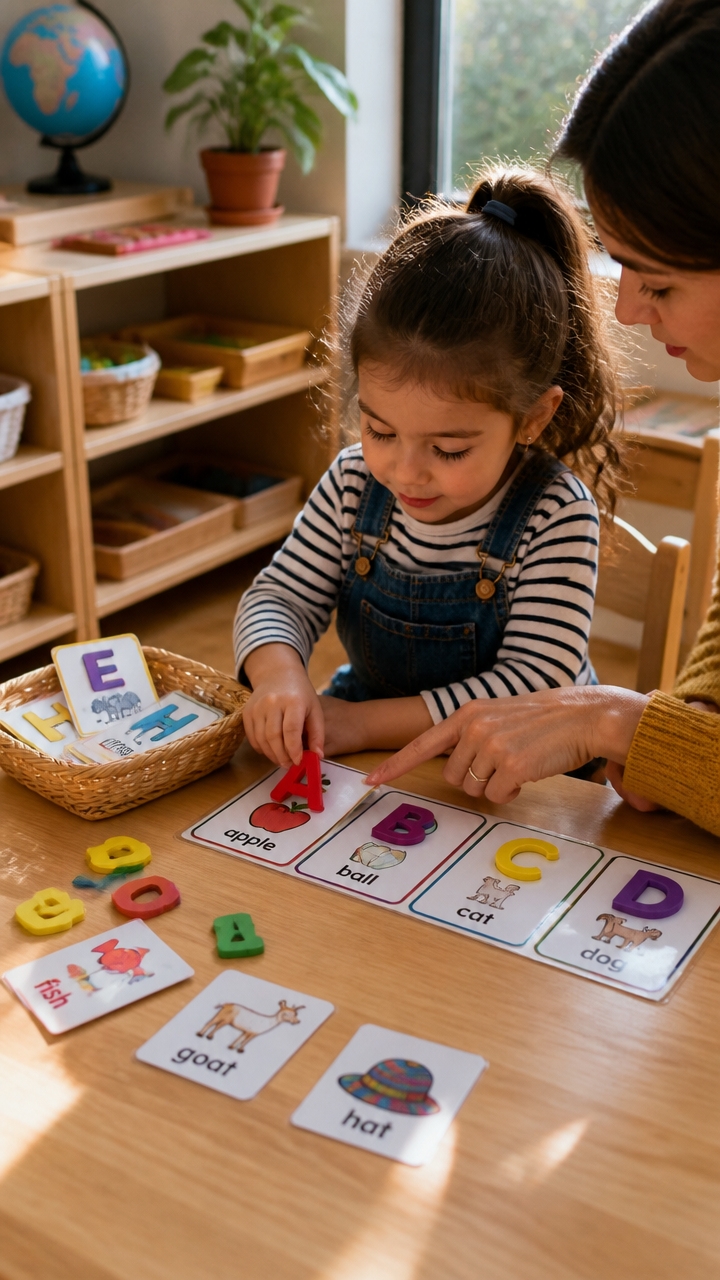
Connecting letter recognition to early reading can turn everyday activities into exciting learning moments. You can learn the letters with fun activities for toddlers, like alphabet puzzles or letter tracing. Use colorful markers and sturdy paper. It’s a great way to build early writing skills, boost confidence, and create bonds. Organize simple stories with familiar words for memorable, safe learning adventures.
Reusing Common Materials Creatively for Alphabet Activities
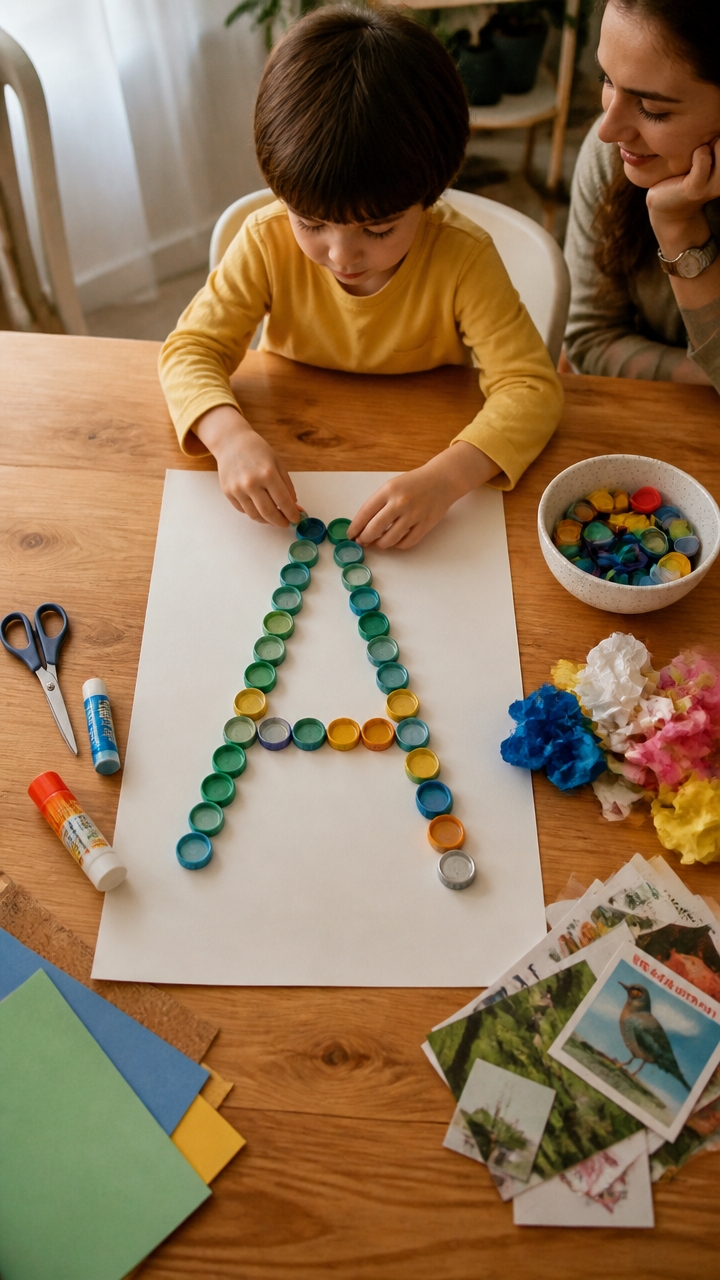
Getting creative with everyday household items can turn alphabet learning into a delightful adventure, filled with surprises and plenty of laughter. Reusing common materials like cardboard for letter puzzles, plastic caps for matching games, or old magazines for collages encourages letter recognition. It’s a fantastic way to bond, promote creativity, and make learning engaging and safe in your cozy home.
Making Alphabet Learning Inclusive and Accessible for All Learners
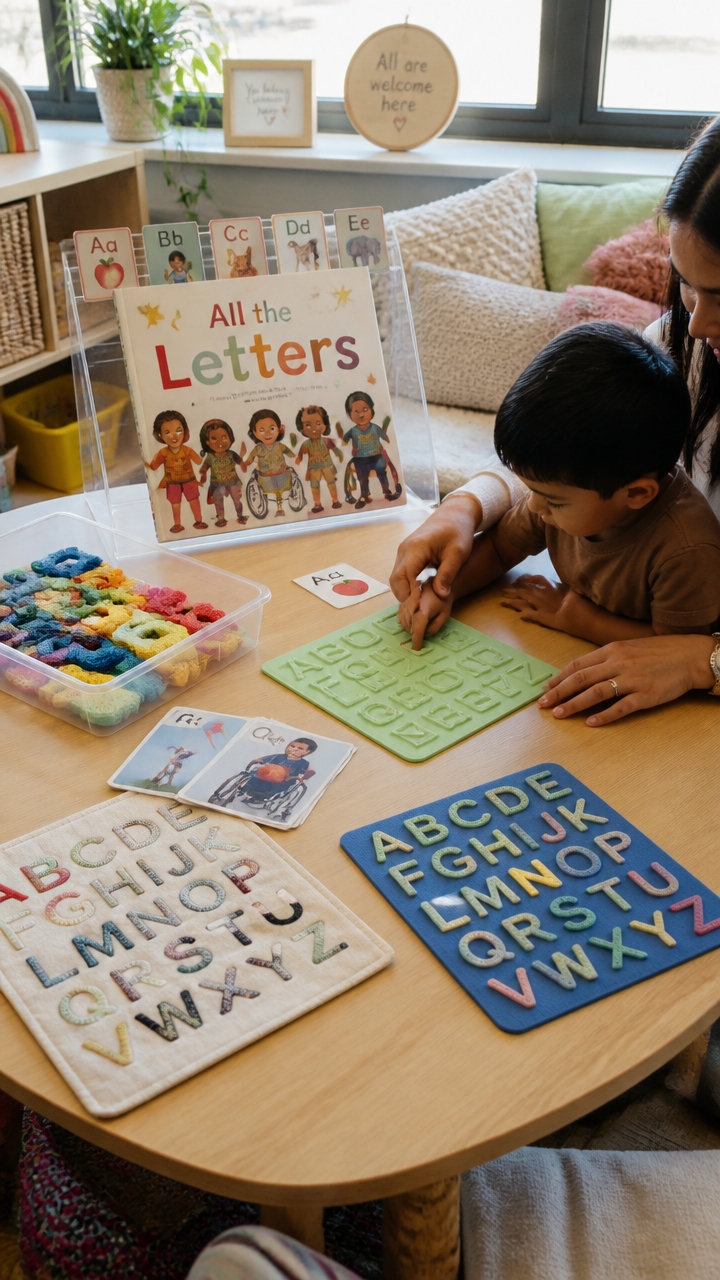
Making alphabet learning inclusive and accessible means creating an environment where every child can thrive and have fun. Support learners by 1. using textured fabrics and tactile letters to help sensory kids love learning, 2. adding colorful charts and multimedia for visual learners, and 3. organizing group activities that support social bonds. It’s all about making learning the alphabet safe, joyful, and unforgettable.
Final Takeaways
Cherish these moments, and enjoy the chaos and laughter. When engaging preschoolers in alphabet activities, simple tasks like letter puzzles or collage crafts help build foundational letter recognition and fine motor skills while keeping the experience enjoyable. These activities are easy to set up and perfect for fostering creativity in a relaxed, family-friendly environment.
Improvise with household items such as pasta, buttons, or fabric scraps to add a tactile element that enhances sensory learning and keeps children interested. Celebrating every small achievement with cheers or silly dances encourages a positive attitude toward learning and boosts children’s confidence.
Remember, it’s the bonds, giggles, and discoveries that make learning memorable. These engaging, hands-on activities promote early literacy skills in a fun,creative way suitable for parents, teachers, or caregivers working with preschoolers in various settings. After all, the joy of watching young children learn and grow together is truly the most rewarding part of these activities. Keep it fun, keep it warm.