
Imagine a puppet troupe that can turn a dull hallway into a dazzling adventure, your kids, their parents, and teachers will be glued to every scene! You’ll learn how to pick the perfect age‑appropriate puppets, whip up a sock‑puppet in ten minutes, and add snazzy digital backdrops that spark imagination. Follow step‑by‑step tips, avoid common hiccups, and discover post‑show crafts that keep the excitement buzzing. Ready to launch a show that boosts confidence, teamwork, and cultural curiosity? Let’s dive in!
Get Started: Launch a Kids’ Puppet Show in 2026
If you’re ready to turn a rainy afternoon into a dazzling stage, start by picking a simple story and gathering a few puppets, think bright socks, felt‑cut animals, or a cheap wooden set you can paint yourself. Keep puppet maintenance easy: wipe each figure with a damp cloth, tighten loose joints, and store them in a breathable bag. Boost audience engagement by inviting kids to suggest dialogue, using clear cues, and rewarding applause with stickers. For even more creative inspiration, consider creative cooking activities that can double as puppet-making projects where children design edible decorations or props. Safety first, fun follows!
How to Pick Age‑Appropriate Puppet Types
When you match puppets to a child’s age, think of it like fitting shoes: the right size makes every step comfortable and fun. Choose puppet sizing based on hand span, three‑inch mouths for toddlers, five‑inch for early graders. Consider puppet gender if it boosts confidence, but safety matters most. Test weight, avoid sharp edges, and watch kids giggle with pride! You can also incorporate natural materials like leaves and sticks to create custom puppet designs that encourage outdoor creativity and imaginative play.
Simple Sock‑Puppet DIY for 3‑5‑Year‑Olds
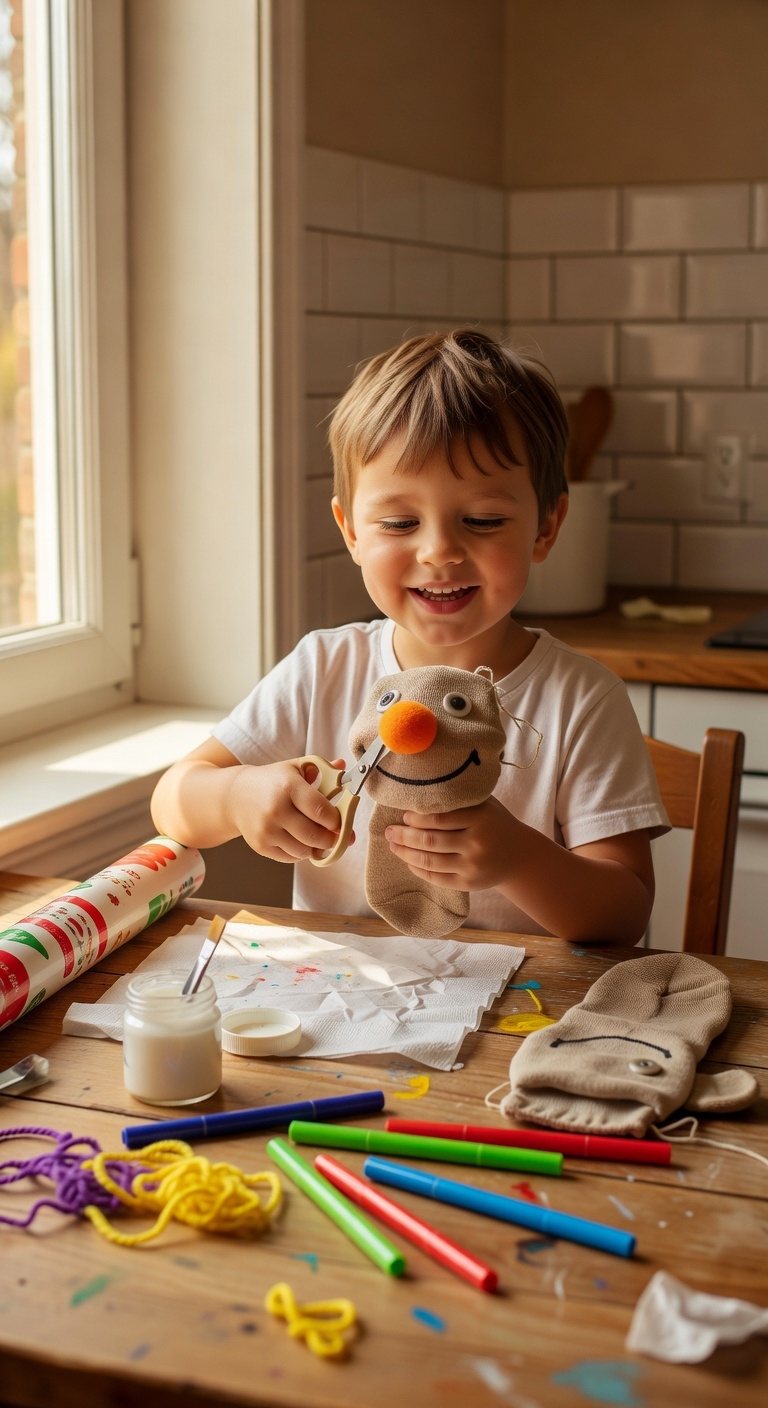
You’ve already sized the perfect puppet for each child, so now let’s turn an ordinary sock into a lively character that 3‑ to‑5‑year‑olds can proudly showcase. Cut felt eyes, stitch a smiling mouth, and glue a soft yarn wig, safe, non‑toxic adhesives only. Explain Puppet history, cultural significance, and how storytelling builds confidence. Kids will love their bright, movable friend! Once the puppets are complete, encourage children to use them in a Campfire Story Circle where they can share silly, spooky, or made-up tales with their peers, further boosting their imagination and social skills.
Hand‑Made Felt Puppets for 6‑8‑Year‑Olds
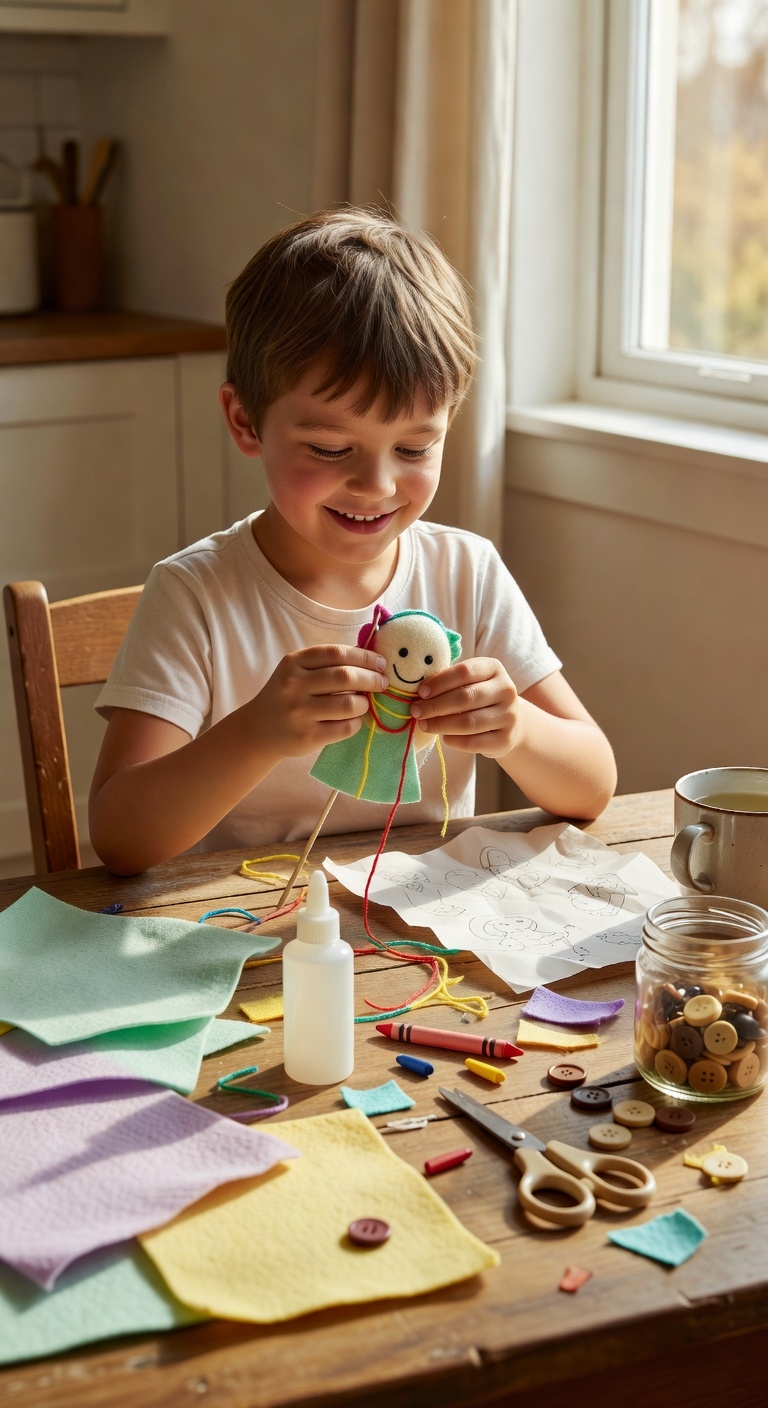
Even though felt feels soft, it’s surprisingly sturdy, so you can craft a puppet that holds its shape while you animate it. Choose bright Felt textures, cut a 4‑inch head, 6‑inch torso, and 3‑inch arms. Glue safe stitching, then add eyes and a smile. Attend Adult workshops for tips on durability. Your child will proudly showcase a sturdy, expressive friend! You can also create these puppets as part of birthday countdown crafts to build excitement leading up to the special day.
Cardboard‑Box Marionettes for 9‑11‑Year‑Olds
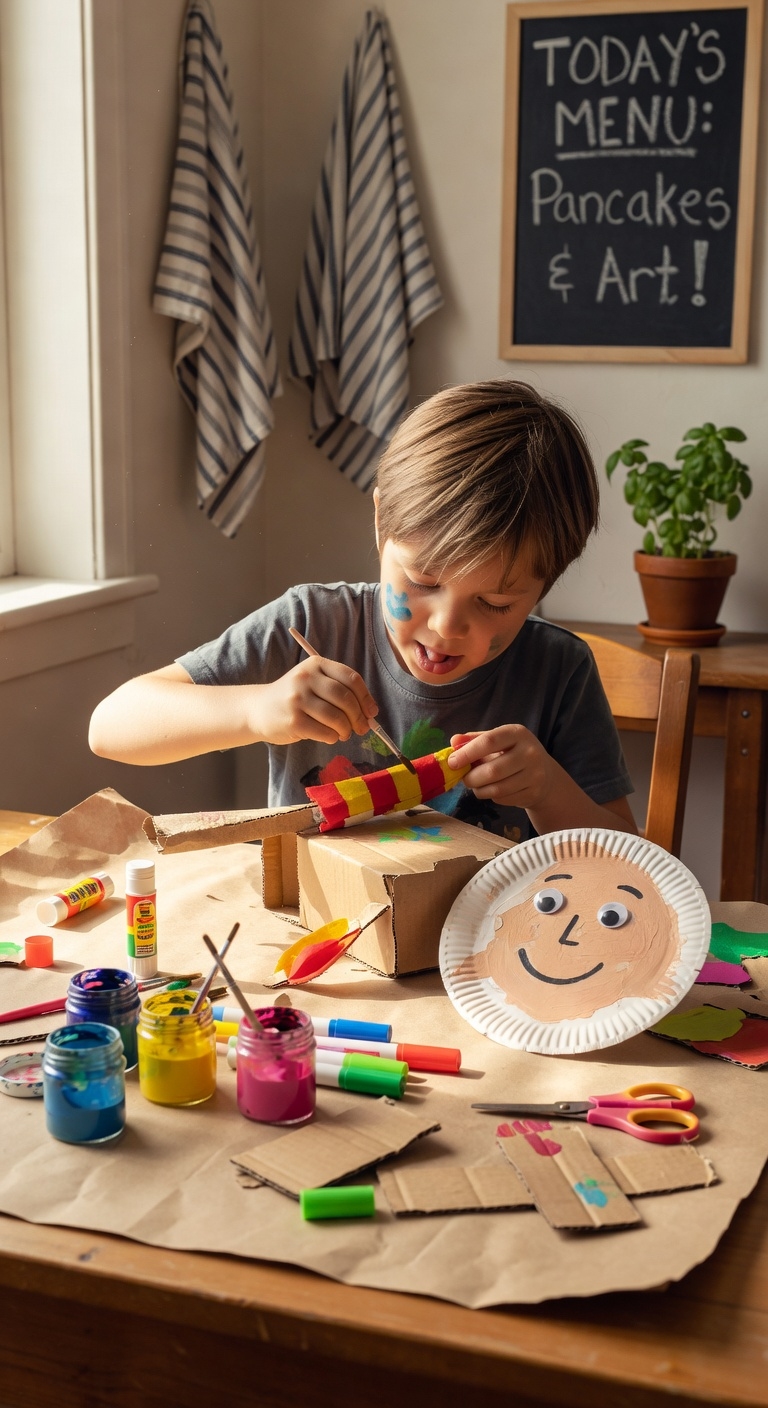
If you gather a sturdy cardboard box, a pair of wooden craft sticks, and some colorful markers, you can turn the box into a lively marionette that dances across the stage. Cut arm slots 2 inches wide, attach sticks with non‑slip tape, then sketch expressive faces. Follow Montessori methods: let kids explore movement, noting environmental impact by using recycled material. Test balance, then cheer as the marionette twirls! You can also incorporate creative painting techniques to make your marionette more visually striking and personalized.
Eco‑Friendly Recycled‑Material Puppets for All Ages
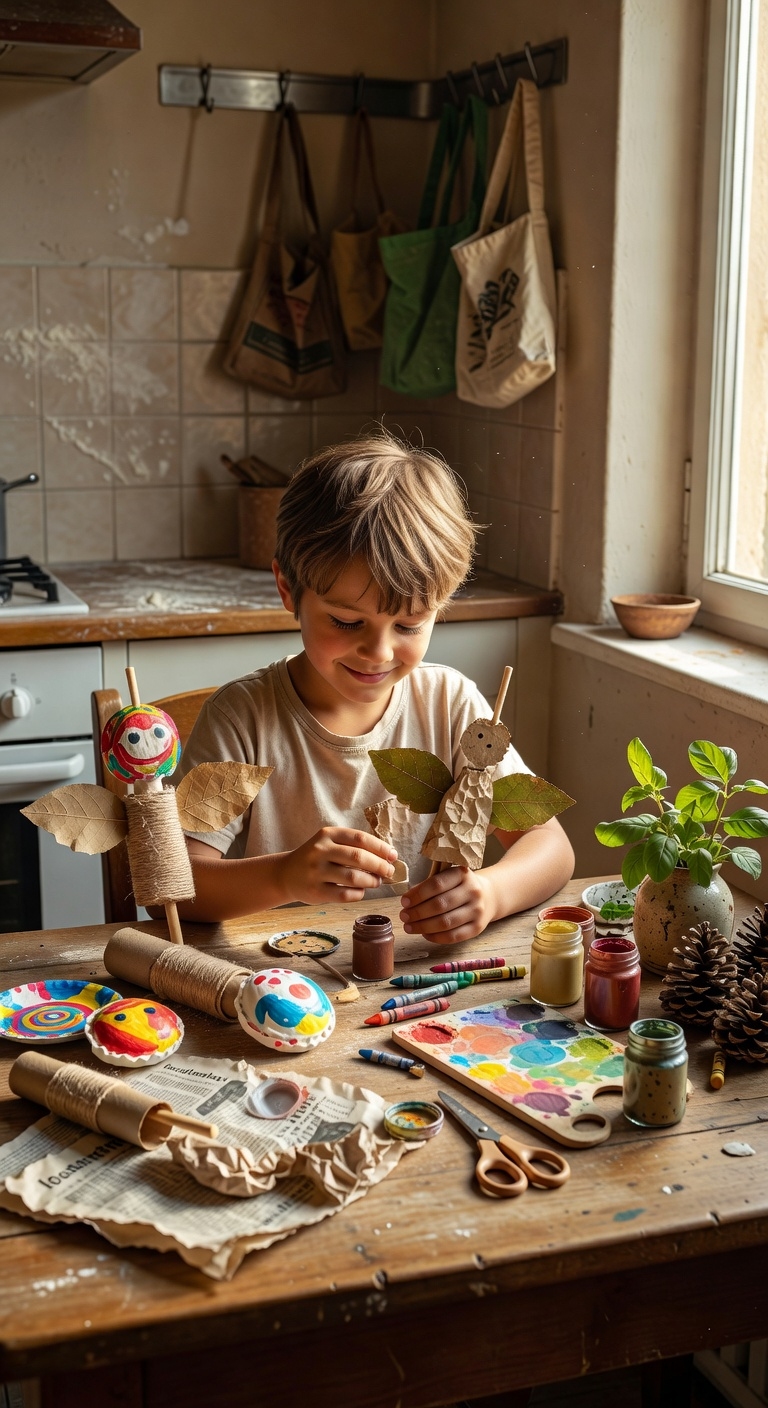
When you gather clean soda cans, fabric scraps, and old newspaper, you can instantly transform everyday trash into charming puppets that delight kids of any age. Use renewable resources to cut safe, rounded shapes; glue securely and avoid sharp edges. Apply storytelling techniques, simple plots, expressive voices, to boost confidence. Kids will love the bright characters, and you’ll see imagination soar!
Gather Essential Materials for a Kids’ Puppet Show Kit
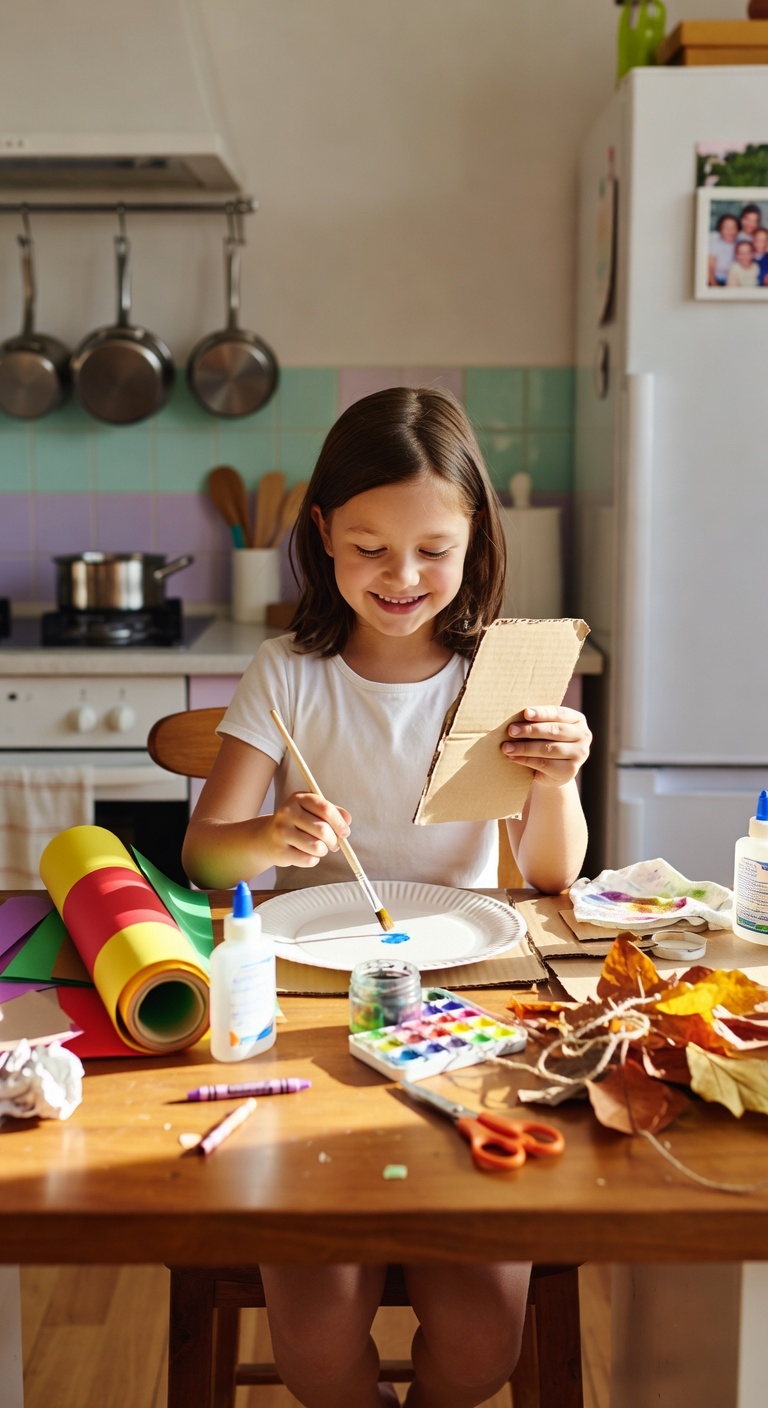
Gathering the right supplies turns a simple idea into a full‑blown puppet adventure, and you’ll love how quickly the kit comes together! Choose non‑toxic felt, sturdy cardboard, and washable yarn, materials safe for little hands. Include a brief puppet history note to spark curiosity, and a cultural significance card to honor traditions. Cut shapes 5 inches tall, glue securely, and watch confidence soar!
Find Budget‑Friendly Supplies for a Kids’ Puppet Show
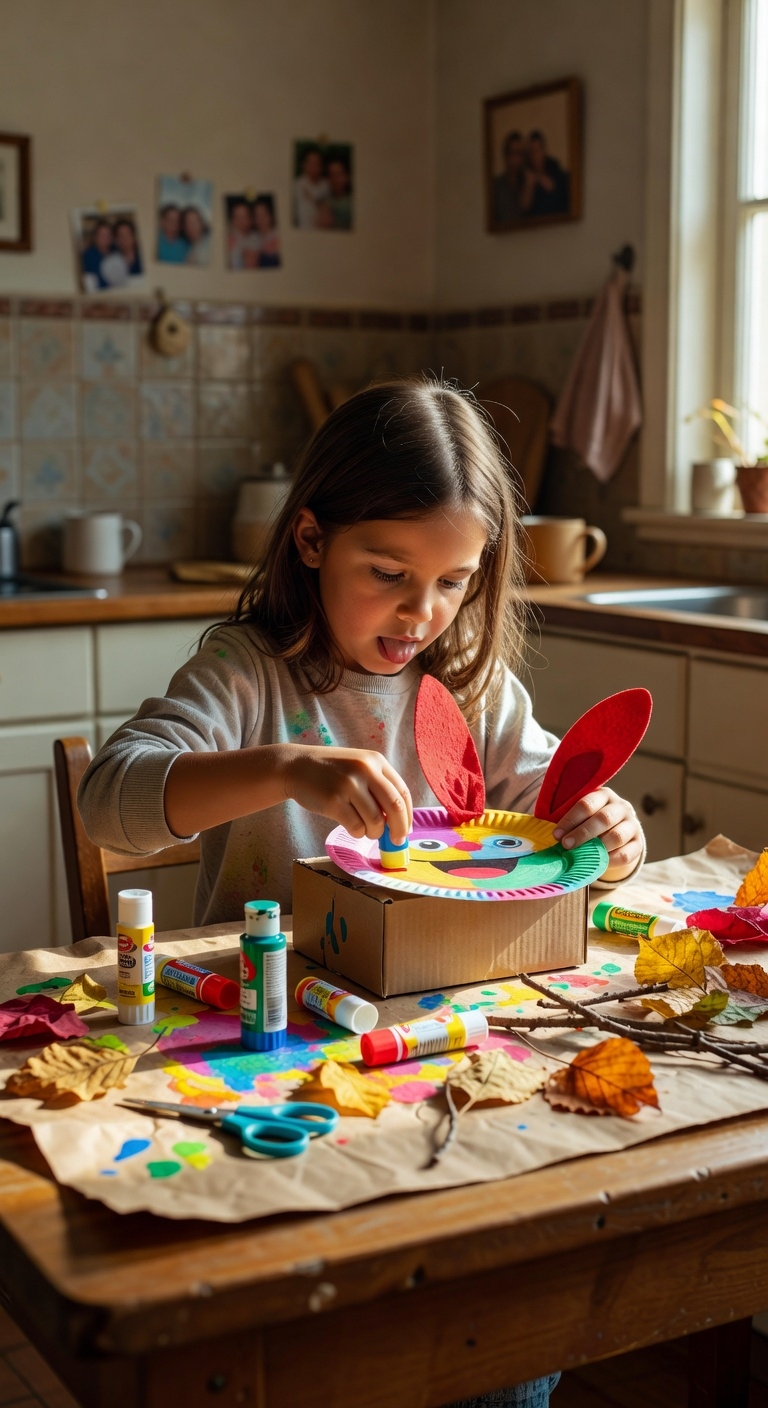
You’ve already collected the basics, so now let’s hunt for cheap, high‑quality items that won’t break the bank. Do budget shopping at discount craft stores, checking for non‑toxic paints and soft fabrics. Organize supplies in labeled bins to keep everything tidy and safe. Use recycled cardboard for puppets, cut to 6‑inch pieces, and test durability by gentle tugging. Celebrate each successful creation!
Set Up a Tiny Stage on a Table or Floor
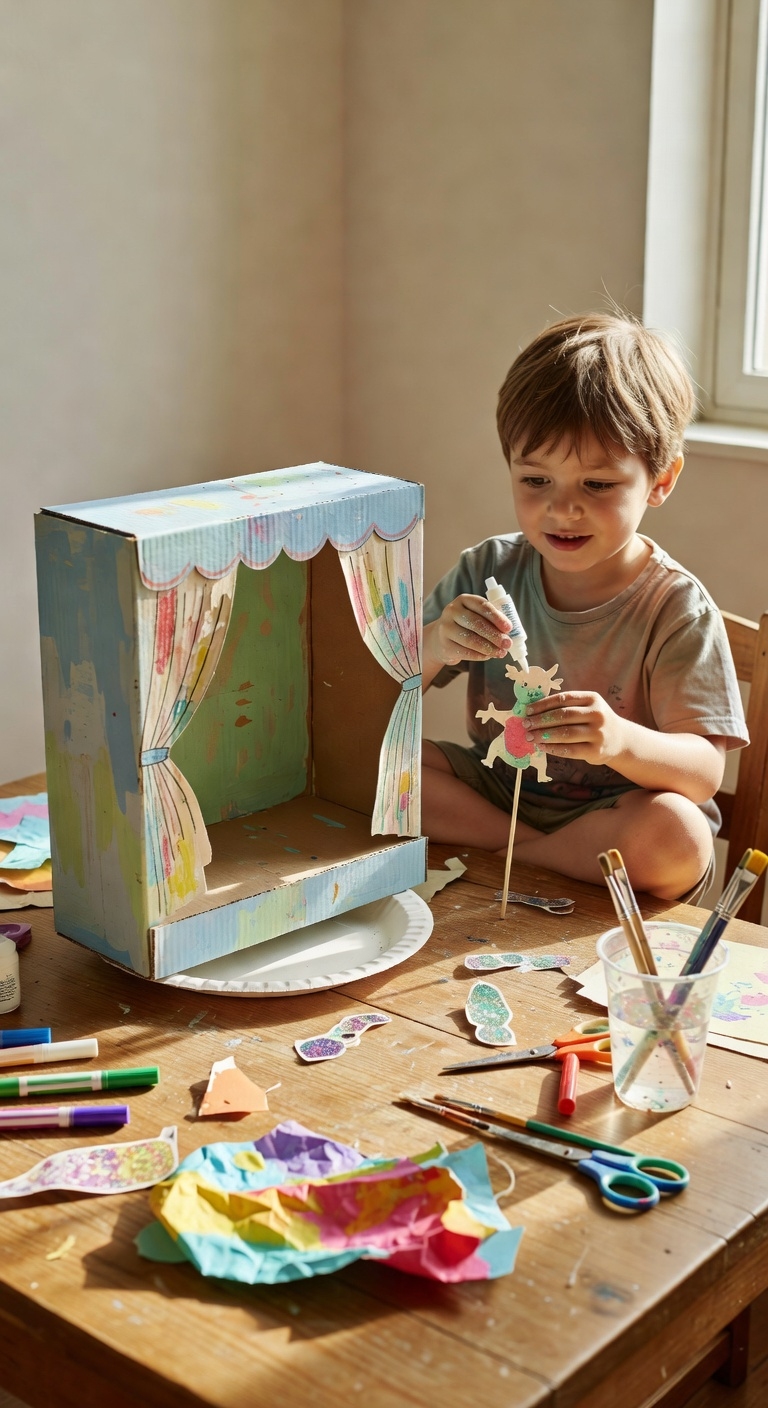
Where should your tiny stage live, on a sturdy table or a clear floor spot? Choose a flat surface, secure a base with non‑slip pads, and measure 24‑ by 18‑inch for a Tiny theater. Lay down a soft cloth, then arrange puppet props within reach. Keep edges rounded, use child‑safe glue, and test stability before each show. You’ll love the safe, magical space!
Lighting Tricks to Make Your Puppets Shine
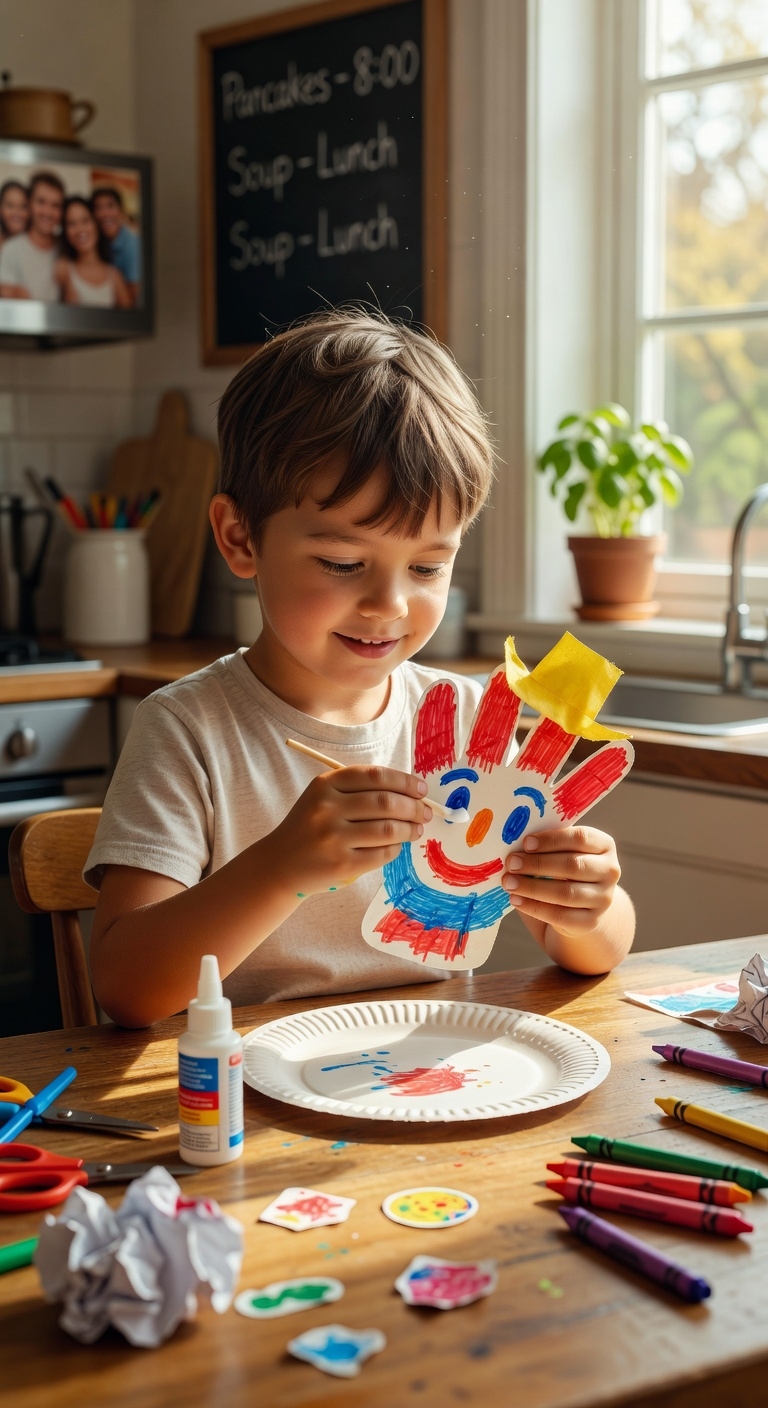
When the lights dim, your puppets can become stars, so start by placing a small LED strip or a battery‑powered lamp about 12‑inches above the stage, just low enough to avoid glare but high enough to cast a gentle glow. Use simple lighting techniques like diffusing the light with a thin fabric to protect eyes. This puppet illumination boosts color, creates sparkle, and keeps the scene safe and magical!
Sound‑Effect Ideas Using Everyday Household Items
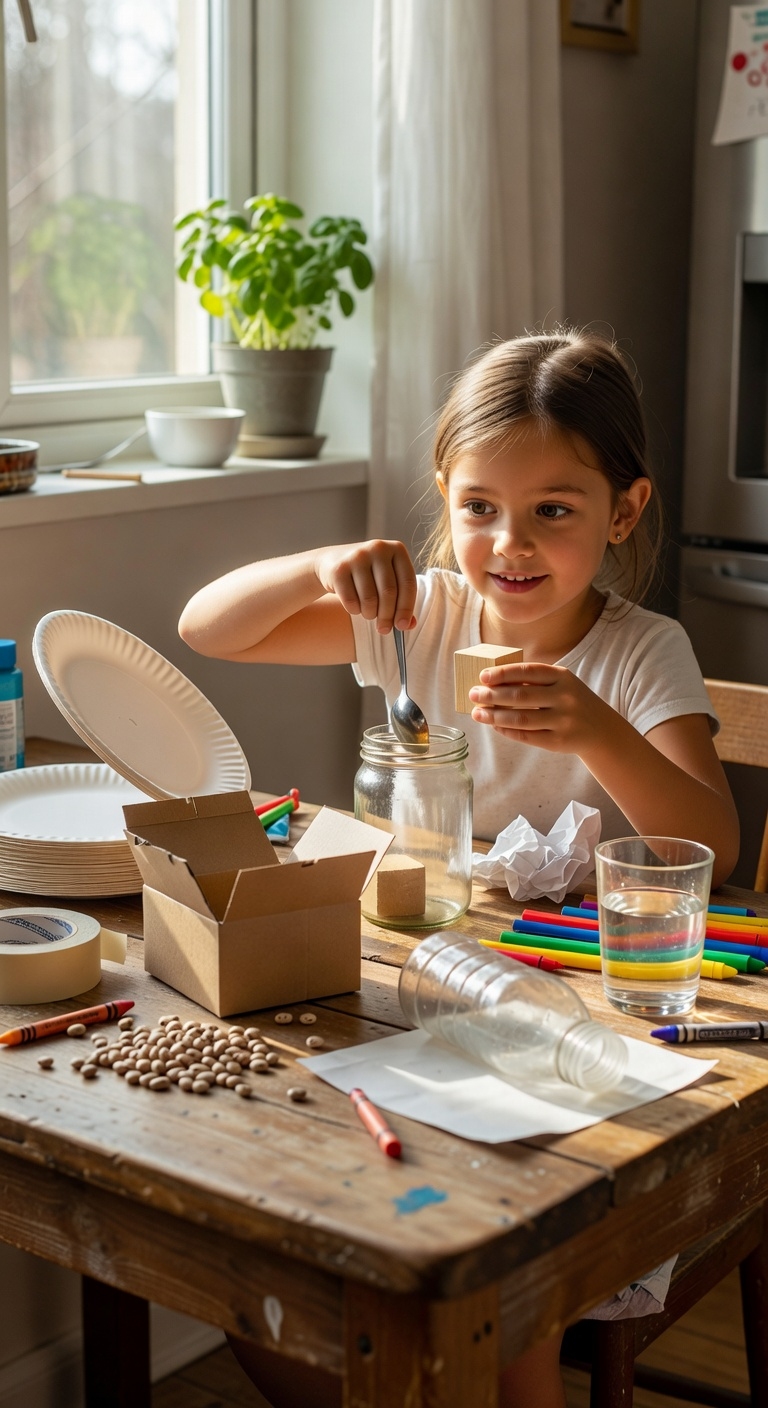
If you grab a few ordinary household items, you can turn simple sounds into magical puppet‑show effects! Tap a plastic bottle for rain, crumple parchment for thunder, and shake a tin can for a drum roll. Use a ruler to tap a glass for a sparkle chime. Keep items clean, supervise gently, and watch kids giggle as sound effects come alive!
Write a Simple Script and Storyboard for Kids’ Puppet Shows
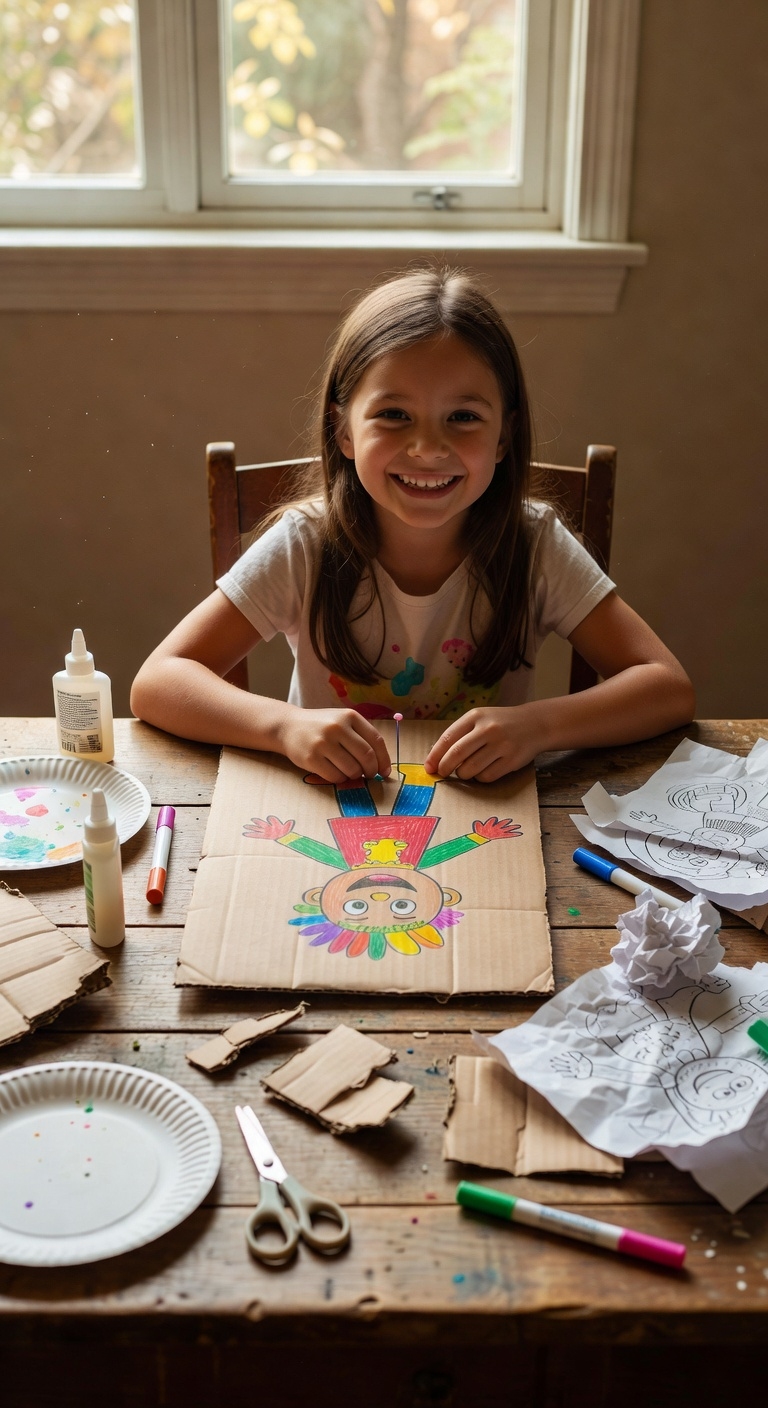
Even a tiny living room can become a stage when you map out a simple script and storyboard for a kid‑run puppet show. Sketch a three‑scene outline: intro, conflict, resolution. Use safe props, like cardboard arches, and rehearse lines aloud. Reference puppet history and cultural influences to enrich characters. Write short cues, add bright colors, and celebrate each successful performance!
5 Dialogue Tricks to Keep Kids Engaged
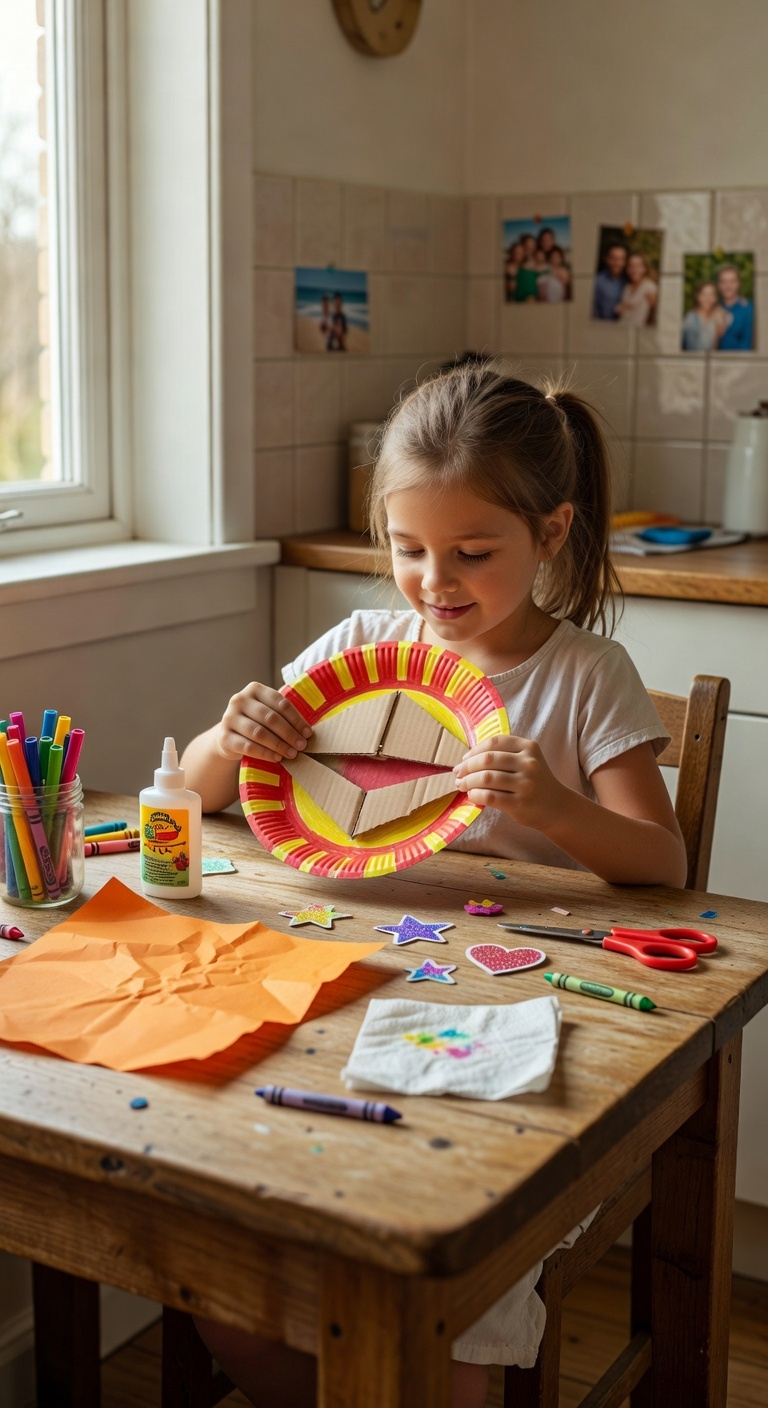
After you’ve sketched the three‑scene storyboard, sprinkle in lively dialogue that makes the puppets feel like real friends. Use short questions and bright exclamations to spark Character development, then pause for Audience interaction, ask kids to guess a line or repeat a catchphrase. Keep tone gentle, safety‑first, and playful; kids will laugh, respond, and stay engaged throughout!
Embedding Math, Literacy, and Science Themes in Puppet Stories
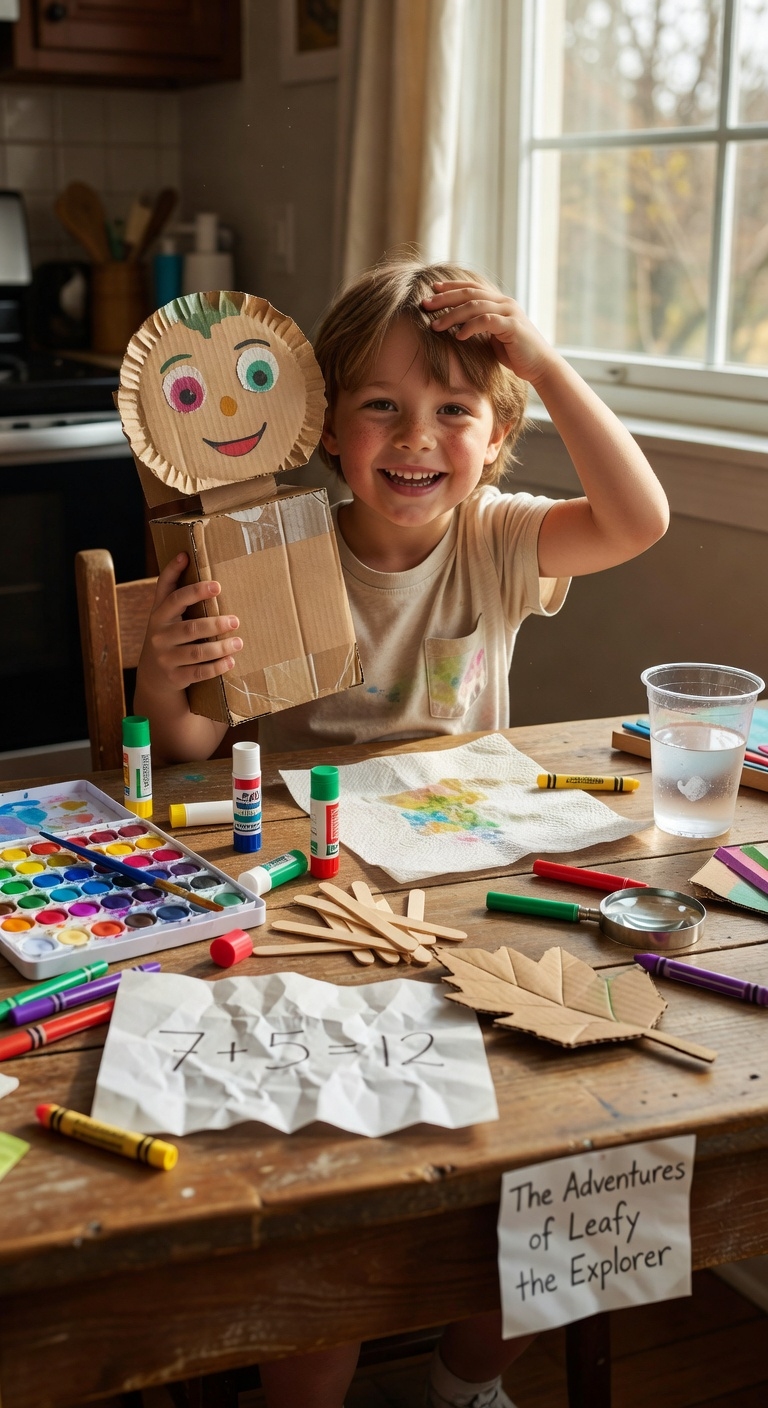
When you weave math, literacy, and science into a puppet story, the lessons become a natural part of the adventure instead of a lecture. Use math integration by counting beads while characters trek, and embed storytelling techniques like rhyme for reading fluency. Keep props safe, follow step‑by‑step guides, and celebrate each giggle and “aha!” moment, your troupe shines!
Managing Multiple Puppets Without Losing the Plot
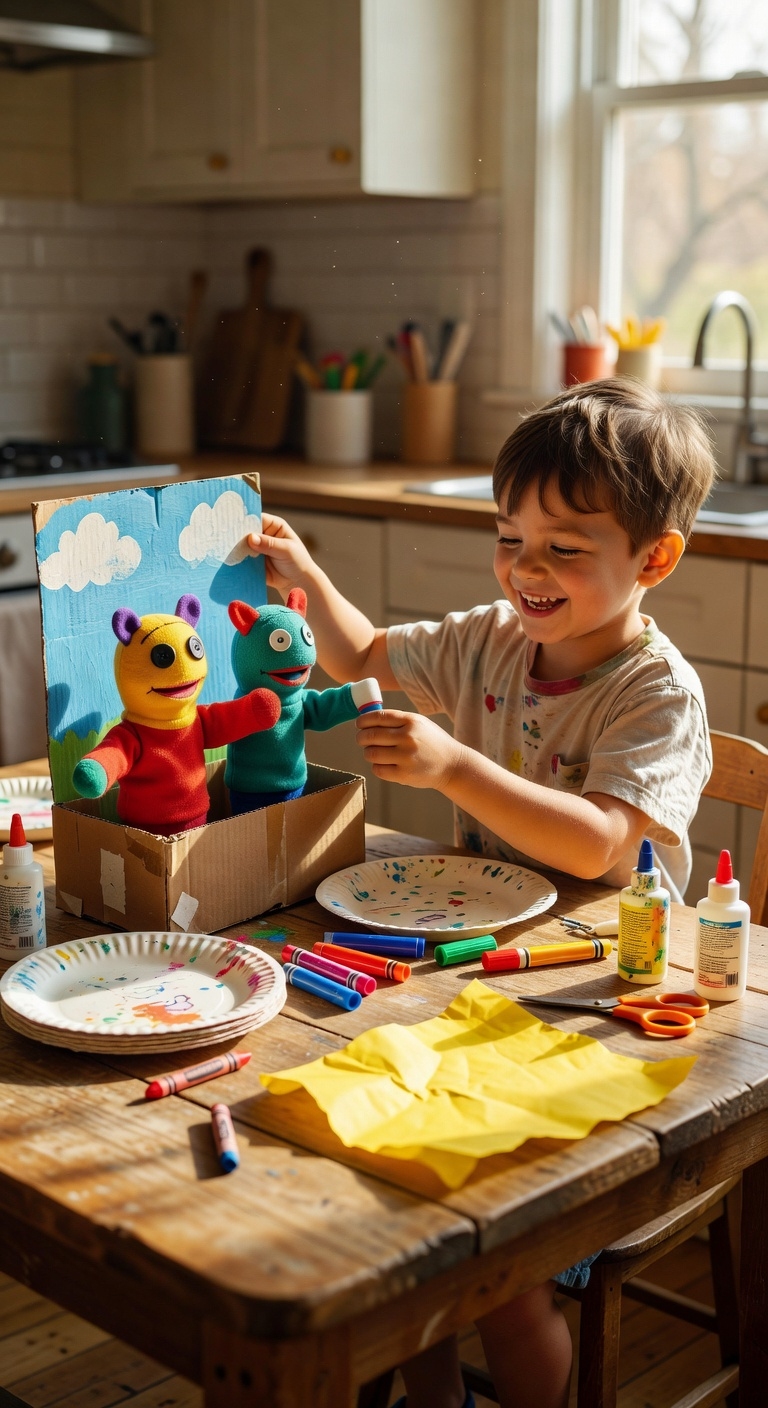
If you juggle three puppets at once, start by assigning each a distinct color‑coded name tag, red rabbit, blue bear, green giraffe, so you can instantly tell them apart. Use a safe, flat stage and keep puppets within arm’s reach; this prevents accidental drops during puppet therapy sessions. Rotate characters deliberately, noting each line on a simple cue card. A quick puppet trade between performers keeps energy high, reinforces collaboration, and ensures the story stays on track!
Quick Costume Changes With Velcro and Magnetic Pieces
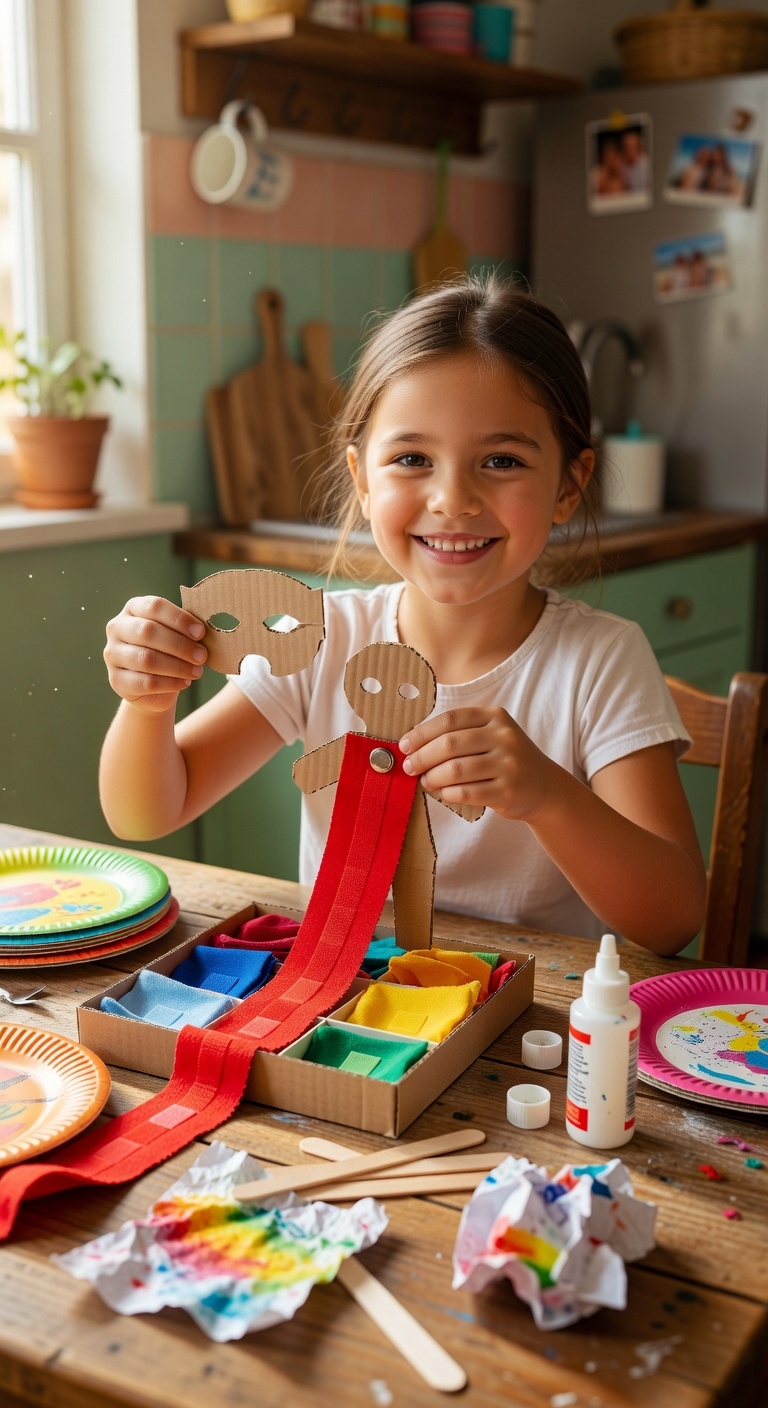
Even though the stage lights may flash, swapping a puppet’s outfit can be as easy as snapping a puzzle piece together. Use velcro fastening for sleeves and hats; press firmly, and it locks instantly. Attach magnetic accessories like tiny shields or badges, just align poles and click. Kids love the swift change, feeling safe and confident as colors pop and characters transform!
Invite Parents: How to Get Them to Attend the Show
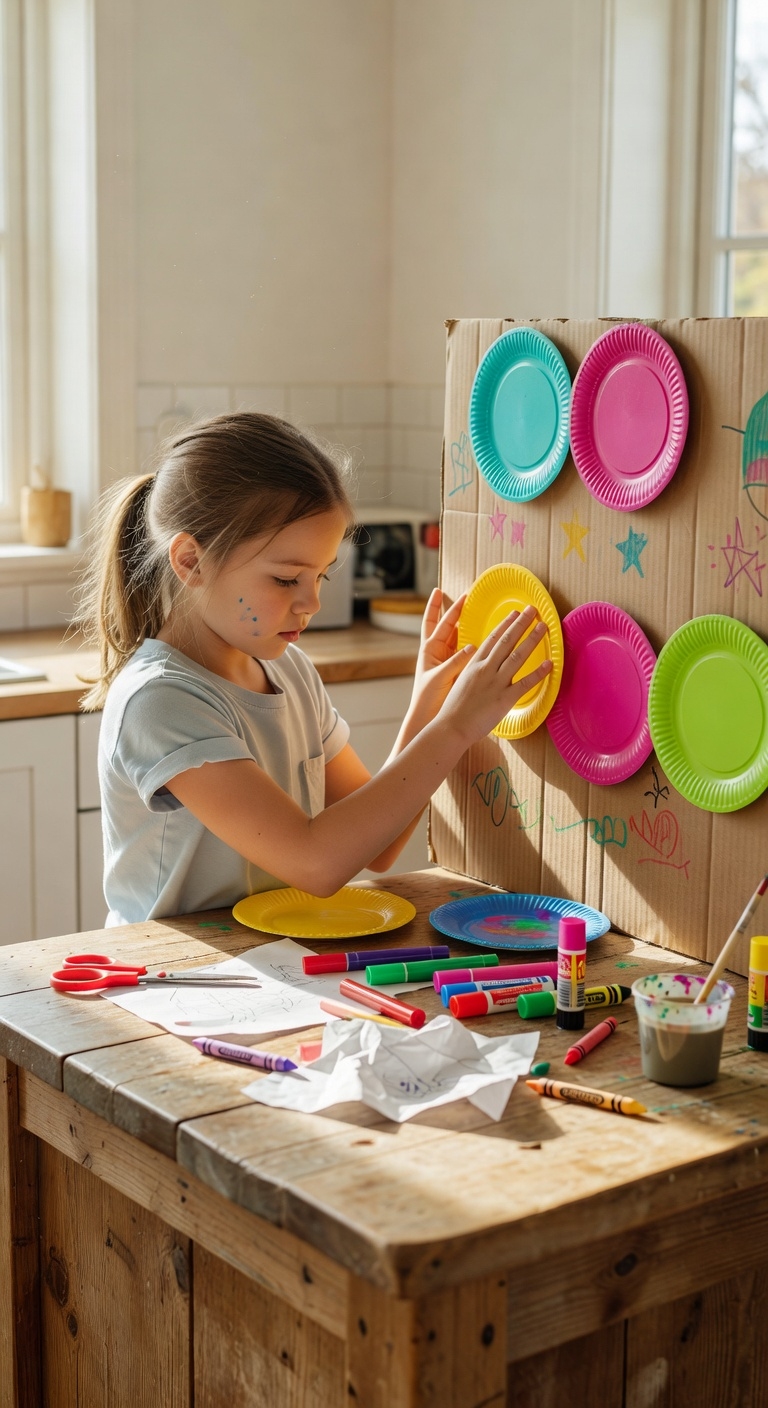
Bright colors and quick costume changes aren’t the only magic you can create, getting parents into the audience adds a whole new sparkle. Send a bright flyer with clear safety guidelines, then post it on the school app for event promotion. Invite parents personally; a friendly call boosts parental engagement. Offer a simple RSVP form, and reward attendance with a backstage tour. Kids will beam!
Easy Assessment Rubrics Teachers Can Use for Puppet Projects
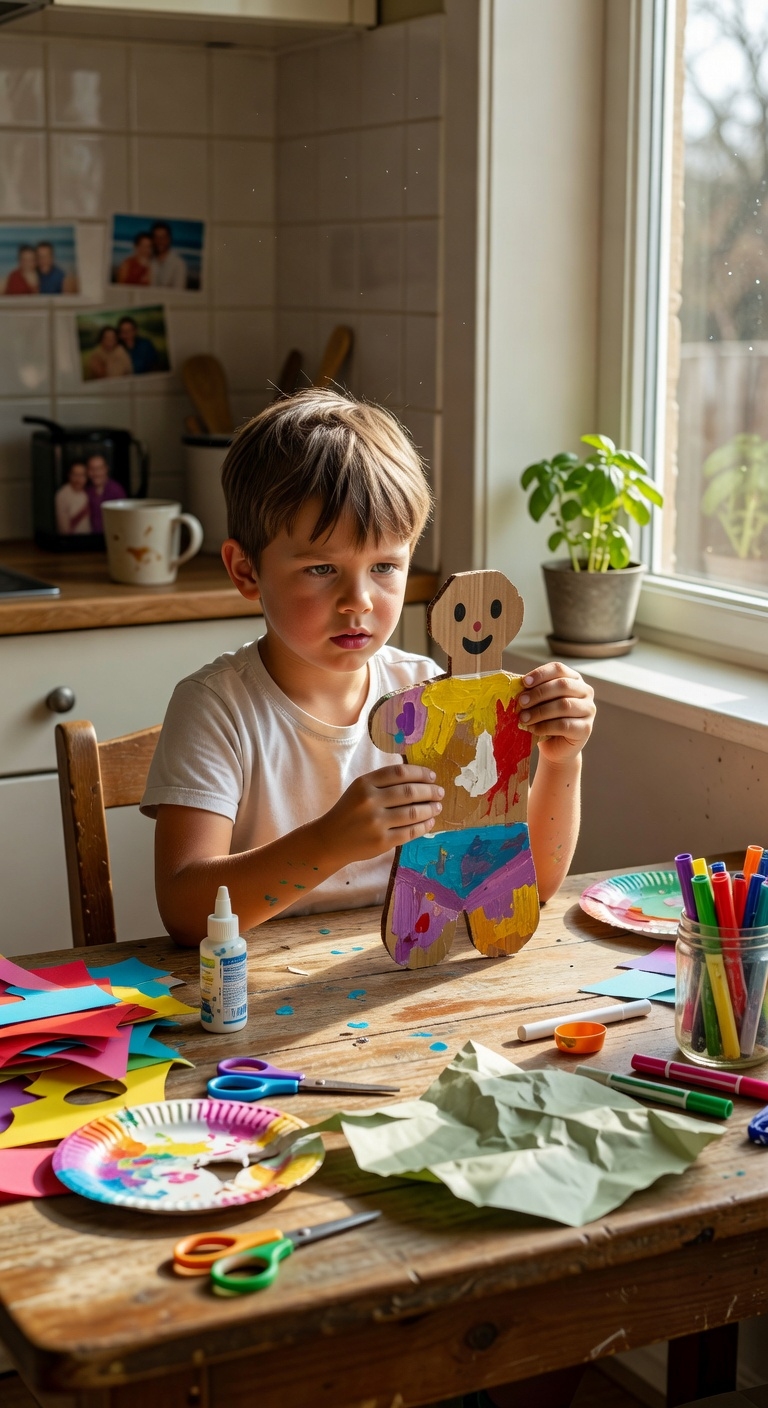
When you set up a simple rubric, you’ll see kids blossom into confident creators! Score puppet maintenance on a three‑point scale, noting safe handling and tidy repairs. Track audience engagement by counting eye contact, laughter, and questions. Use clear criteria: creativity, teamwork, and storytelling. Give quick, upbeat feedback, “Great job keeping the puppet steady!”, and celebrate progress daily.
Add Simple Digital Backdrops to Classroom Puppet Performances
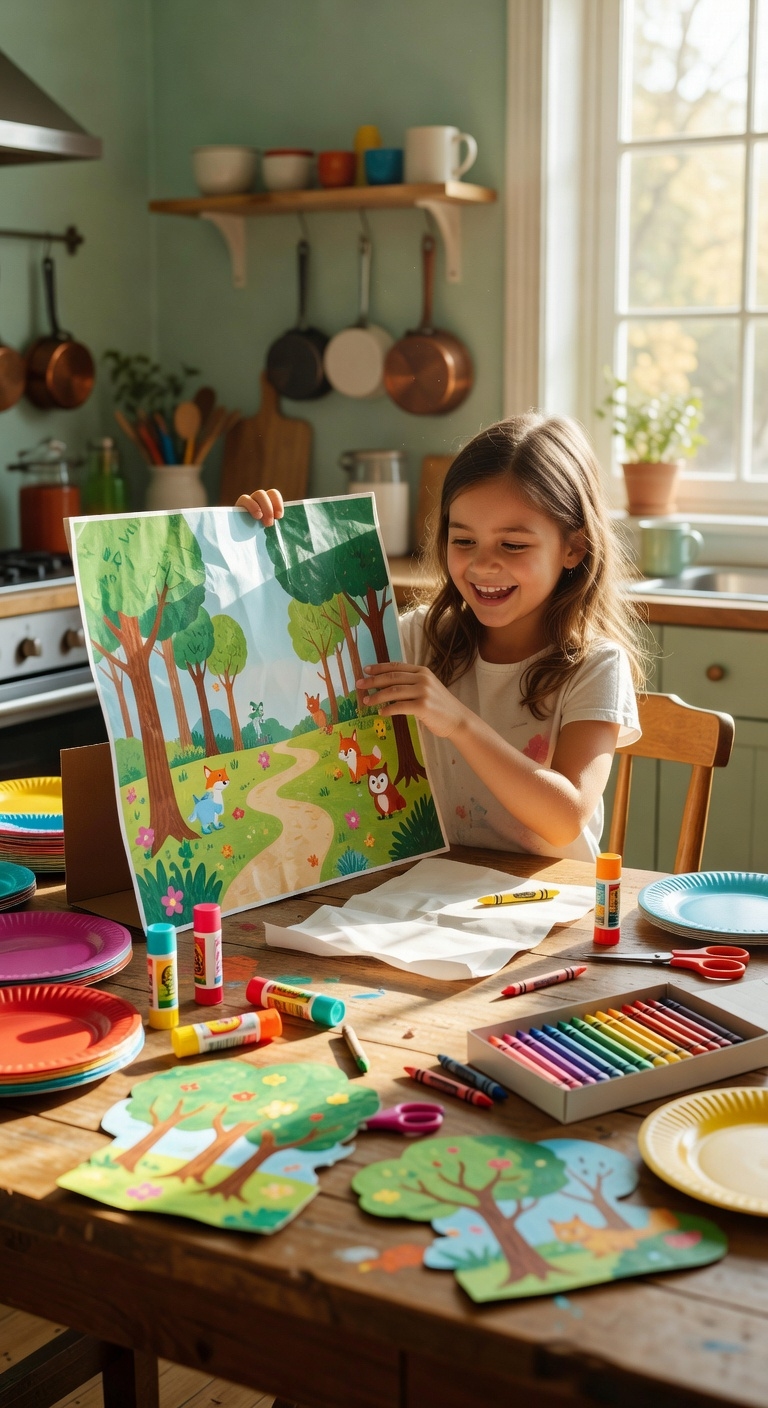
If you project a simple digital backdrop behind your puppet stage, the whole class can feel like they’re inside a storybook world! Choose bright digital backgrounds, set the projector 3 feet away, and secure cords with tape to avoid tripping. This safe, low‑voltage setup boosts classroom enhancement, sparks imagination, and lets kids see characters glide through forests, cities, or space, pure, joyful learning!
Troubleshooting Common Puppet‑Performance Glitches
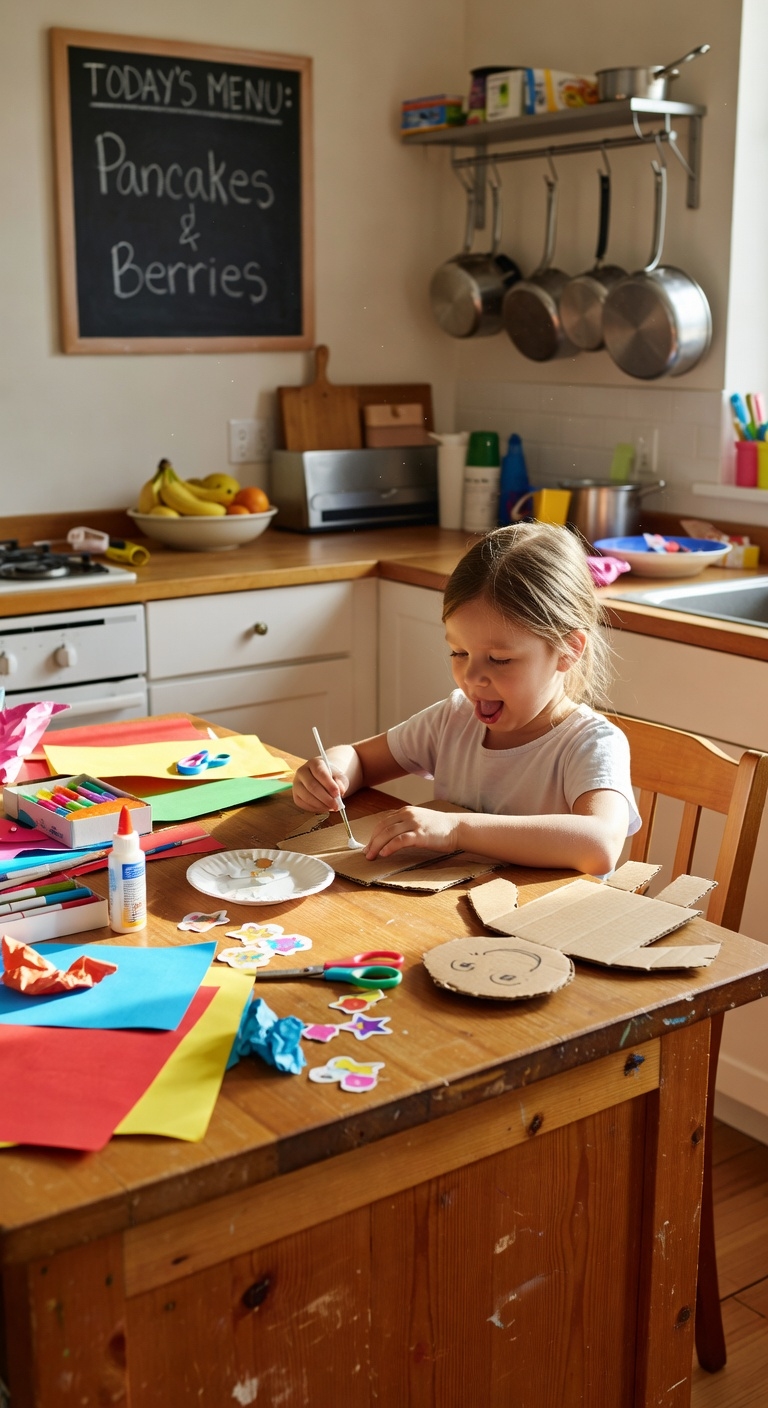
Even when the puppet strings get tangled or the sound system sputters, you can turn a hiccup into a learning adventure! For puppet troubleshooting, check each knot, gently loosen with safety scissors, and test movement. If performance glitches arise, secure the mic, replace batteries, and adjust volume to a safe level. Celebrate each fix with applause, kids love seeing problems disappear!
Post‑Show Activities and Craft Extensions for Ongoing Fun
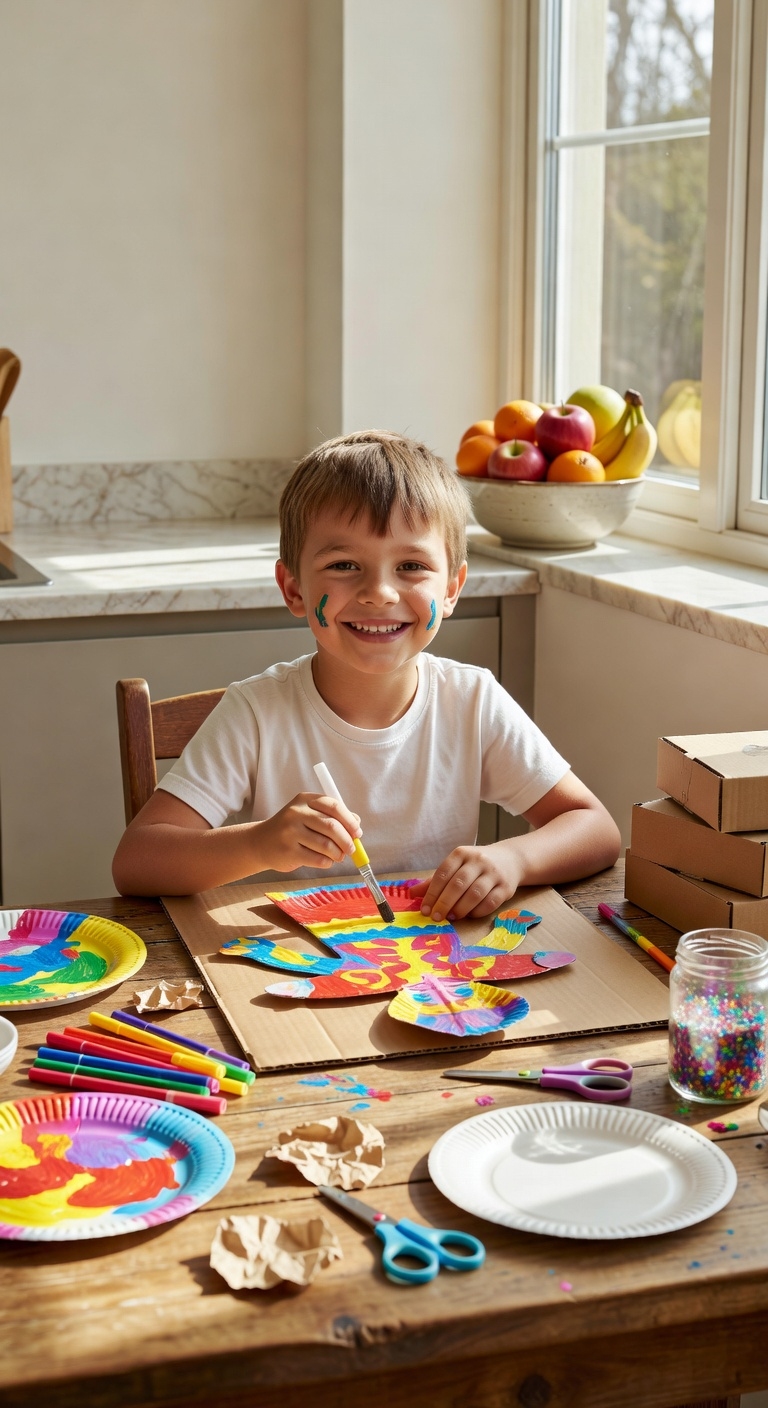
After the curtain falls, keep the excitement alive by turning the performance into a hands‑on adventure! Guide kids to recreate scenes using cardboard puppets, applying improvisation techniques like “yes, and…” to expand puppet storytelling. Provide safe scissors, 2‑inch craft sticks, and non‑toxic glue; show them how to assemble a backdrop in five minutes. Celebrate each quirky character, and watch confidence blossom!
Build a Year‑Long Puppet Show Calendar for Schools and Families
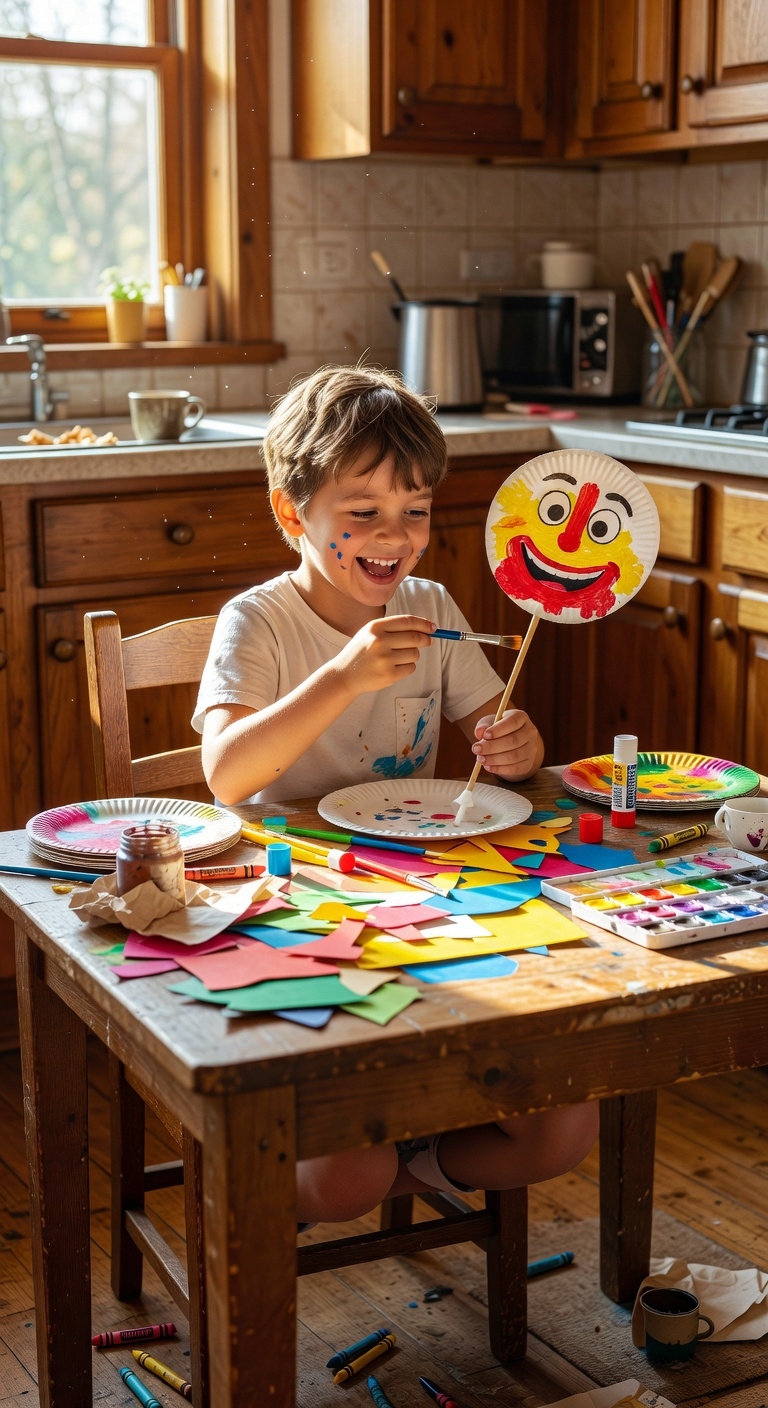
When you map out a year‑long puppet show calendar, you’ll see how each season sparks fresh ideas and keeps kids eager to perform. Plan monthly themes, weave puppet therapy sessions for confidence, and honor cultural traditions with storylines. Use safe materials, schedule rehearsals after school, and celebrate milestones with bright stickers. Follow step‑by‑step guides, track progress, and enjoy the joyful, creative journey!
Final Takeaways
You’ve seen how puppet shows spark confidence, teamwork, and cultural curiosity, just like the 2025 study that showed kids who performed together improved language skills by 23 %. Now put those ideas into action: pick a theme, craft your puppets, add a digital backdrop, and rehearse with flair. Remember, every laugh, every “wow,” and every tidy‑up is a step toward brighter learning. Celebrate each tiny triumph, and watch imagination soar!