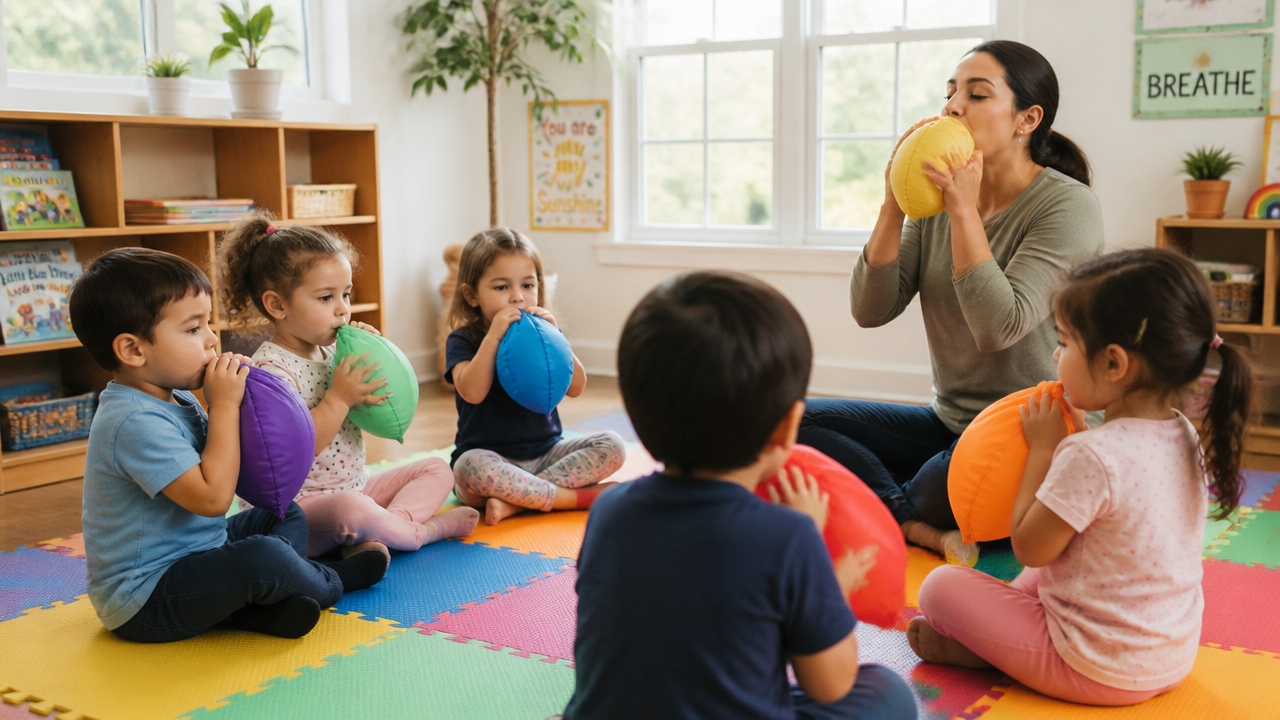
Imagine gentle breaths transforming chaos into calm, as your child’s laughter fills the room during playful, screen-free breathing exercises. You can create those peaceful moments with simple activities that require no screens, just your time and a few easy-to-find materials like colorful scarves or soft plush toys.
These activities are perfect for preschoolers and help strengthen your bond while soothing their busy minds.
Through these fun, interactive exercises, you’ll discover playful ways to help your little one relax, regulate emotions, and enjoy quiet time together.
Whether you’re incorporating storytelling, imaginative breathing games, or calm-down crafts, each activity is designed to be simple, age-appropriate, and engaging.
Ready to explore how these 20 creative breathing ideas can infuse your family’s daily routine with calm and connection?
Why Breathing Exercises Help Preschoolers Relax
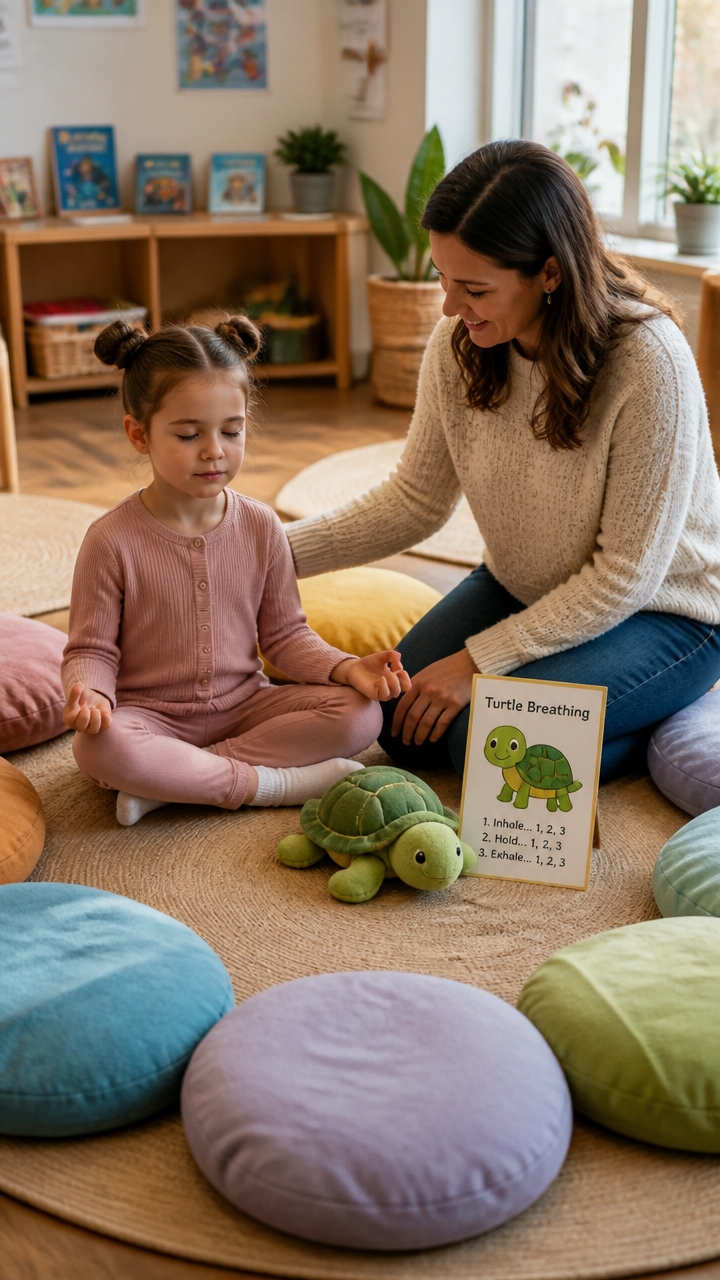
When your little one feels overwhelmed or upset, breathing exercises can be a game-changer. Use simple breathing techniques, like blowing bubbles or imagining a balloon. These fun activities help activate the parasympathetic nervous system, improving mental health. Incorporating creative gratitude crafts into your routine can also promote thankfulness and emotional well-being. A great way to build calmness and emotional awareness, turning chaos into laughter and unforgettable family bonding moments.
Creating a Calm Environment for Your Child’s Relaxation
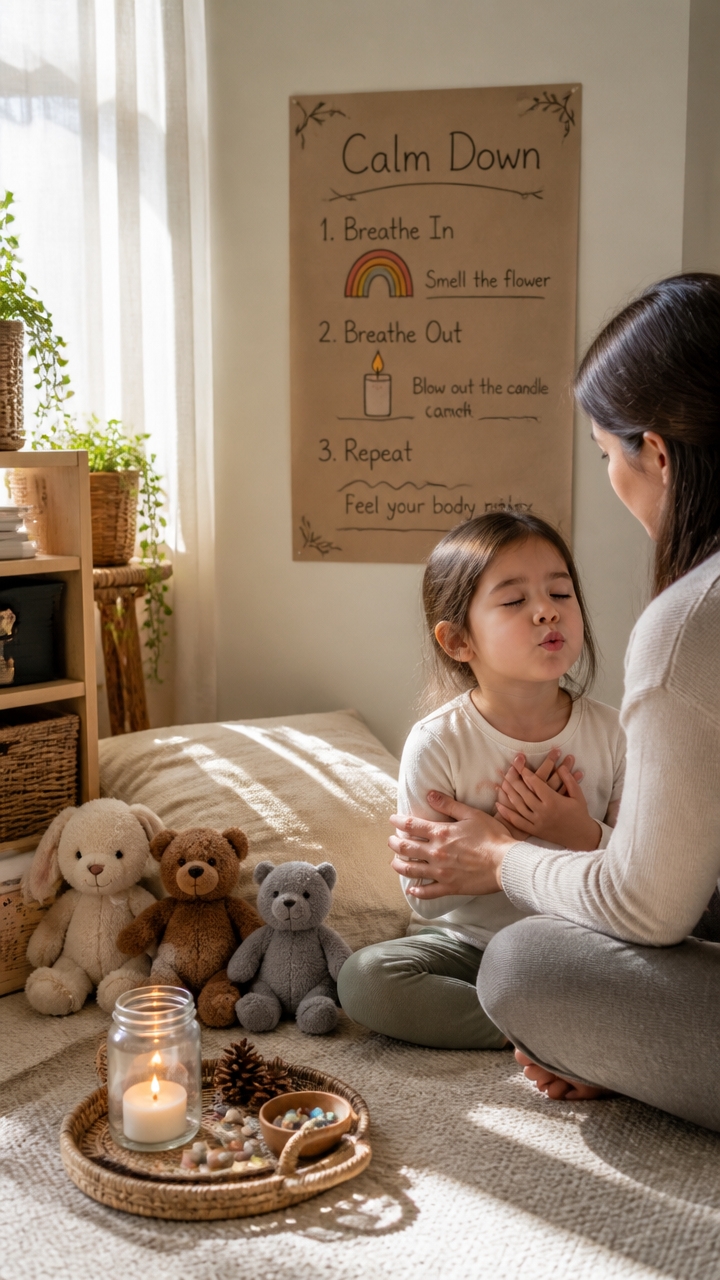
Creating a calm environment for your child’s relaxation sets the stage for laughter, bonding, and peaceful sleep. Use calming activities like reading gentle stories, dimming lights, and removing screens. Keep the room quiet and cozy, with soft blankets and plush toys. Incorporate mindfulness activities to help your child focus on the present moment and promote relaxation. It’s a simple way to support relaxation and build safe, happy bedtime routines your family will cherish.
How to Choose Age-Appropriate Breathing Techniques
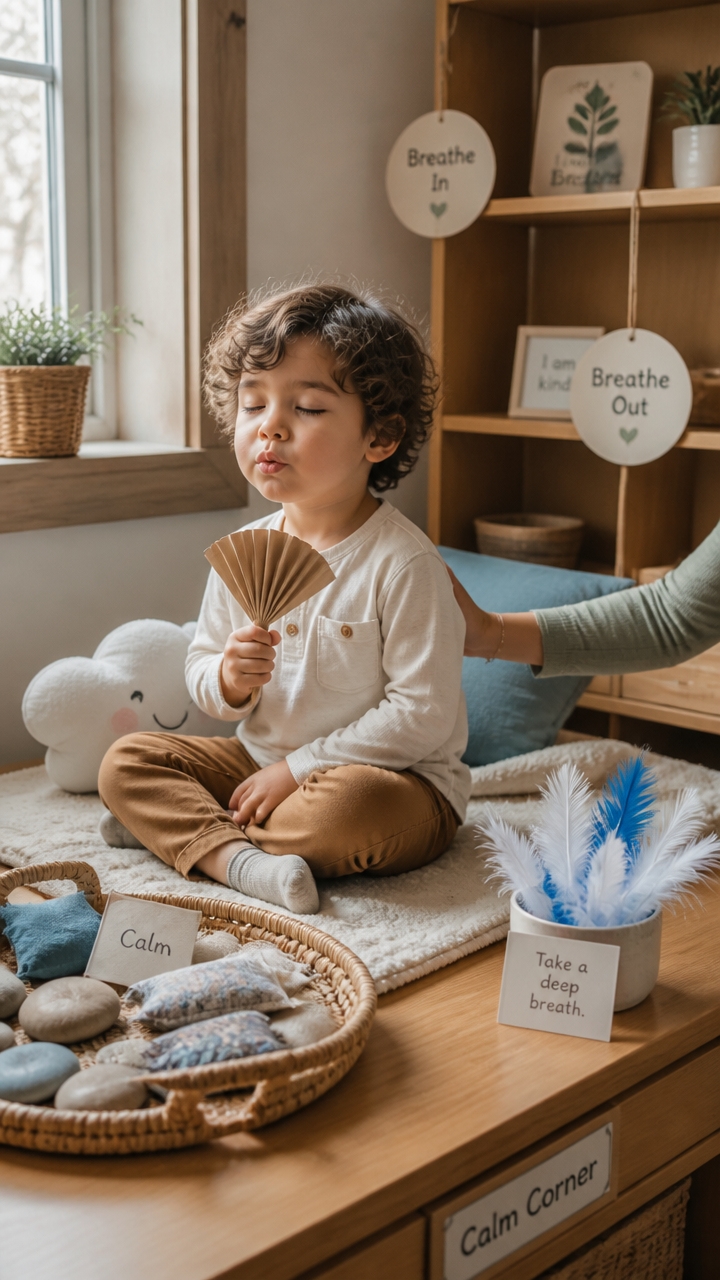
Choosing the right breathing techniques for your preschooler is key to making relaxation fun and effective. Use simple methods like “Cookie Breathing” or “Bubble Breathing,” which are perfect for children’s short attention spans. Incorporate playful visualizations, blowing out candles or lifting balloons. It’s a safe, engaging way to help children learn calming skills that they’ll remember forever. Remember that creating engaging and developmentally appropriate activities can foster a positive attitude toward relaxation exercises, including DIY Busy Bags, which can be used to reinforce these calming techniques.
Fun Bubble Blowing to Calm and Focus Your Child
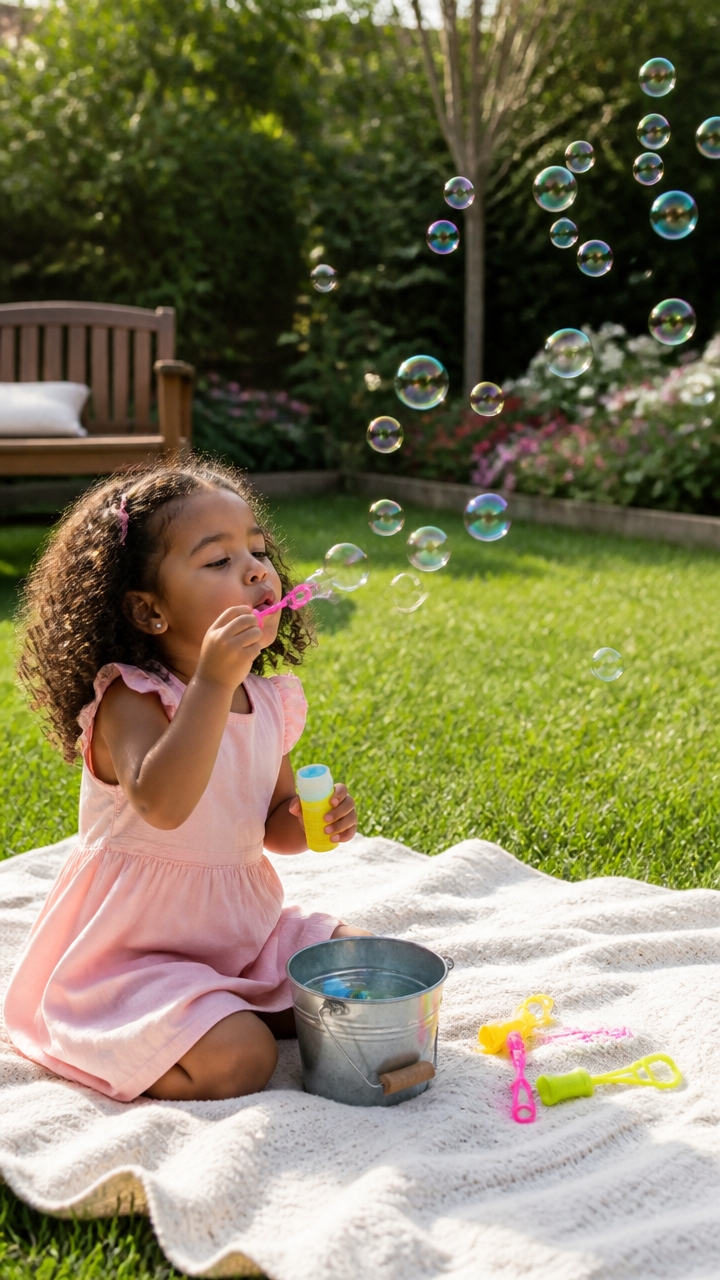
Few activities bring laughter and calm together quite like bubble blowing. For bubble breathing, grab a kid-friendly wand and let your child inhale deeply, then exhale to create bubbles. It’s a playful way to develop calm and focus, improving breathing control. Bubble blowing is a cherished, screen-free activity, soothing nerves and strengthening your child’s emotional well-being in the safest, funniest way.
Using Guided Imagery to Help Kids Relax Before Bed
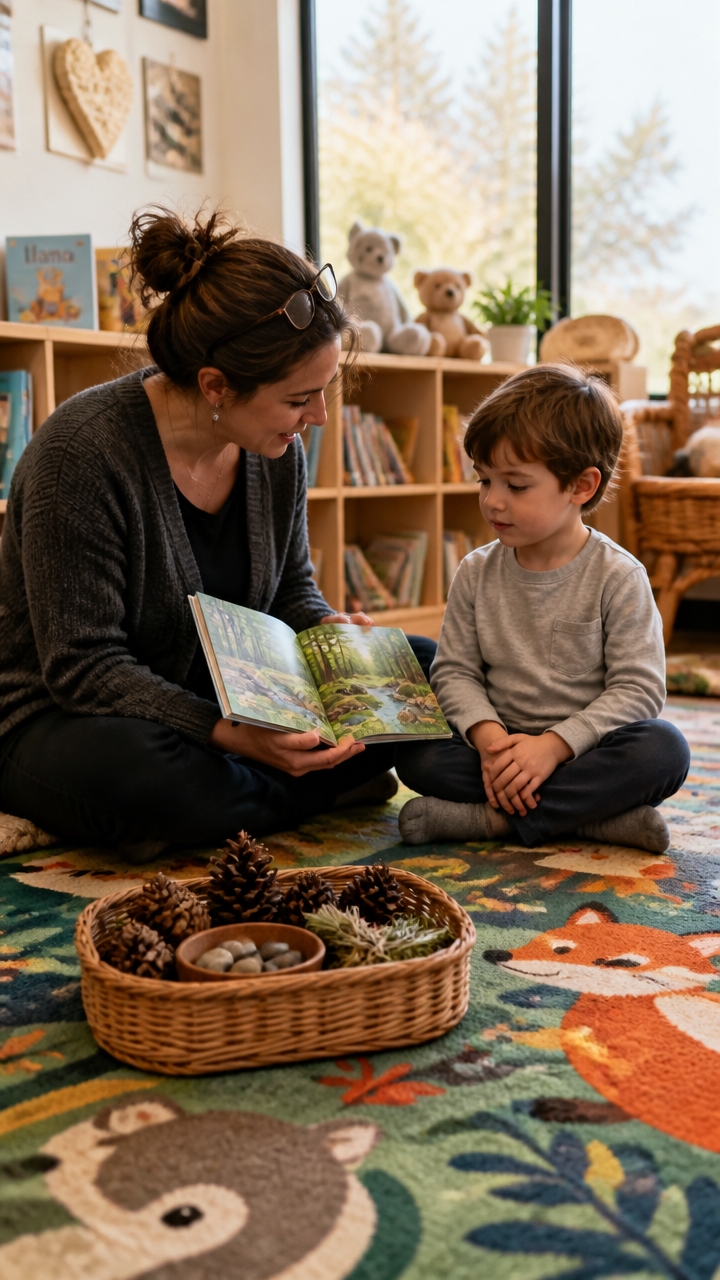
Bedtime can be a whirlwind of giggles, worries, and battles, but calm moments can turn everything around. Use guided imagery by asking your child to imagine a favorite peaceful place, like a garden or beach. Help your child visualize floating on a cloud or walking through woods. It’s a gentle, safe way to relax their mind, creating bonds and unforgettable bedtime moments.
Teaching Deep Belly Breathing to Preschoolers
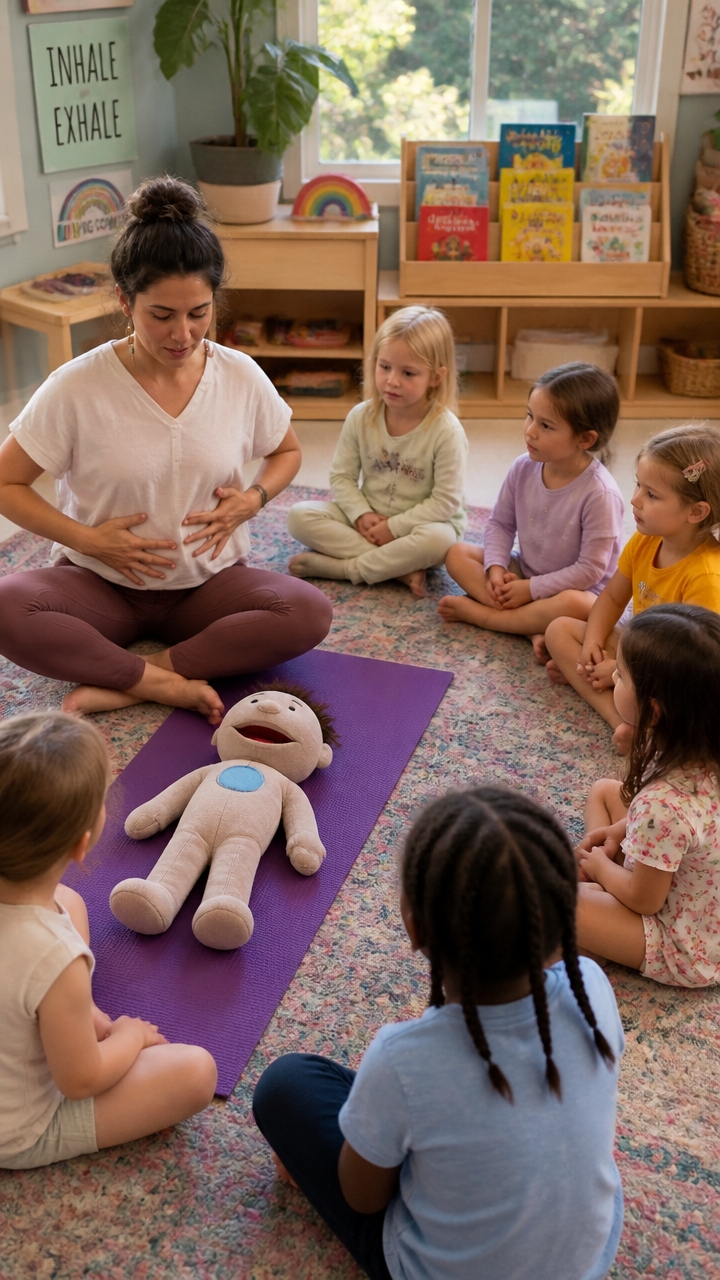
Breathing deeply and slowly can transform chaotic moments into calm, and teaching your preschooler to do this is easier than you think. Use your hand on their belly to feel it rise with deep breathing, and encourage inhaling through the nose, then exhaling slowly. A great way to teach belly breathing is pretending to blow out candles or blow bubbles, fun and calming for everyone.
Using Toys and Props to Make Breathing Exercises Fun
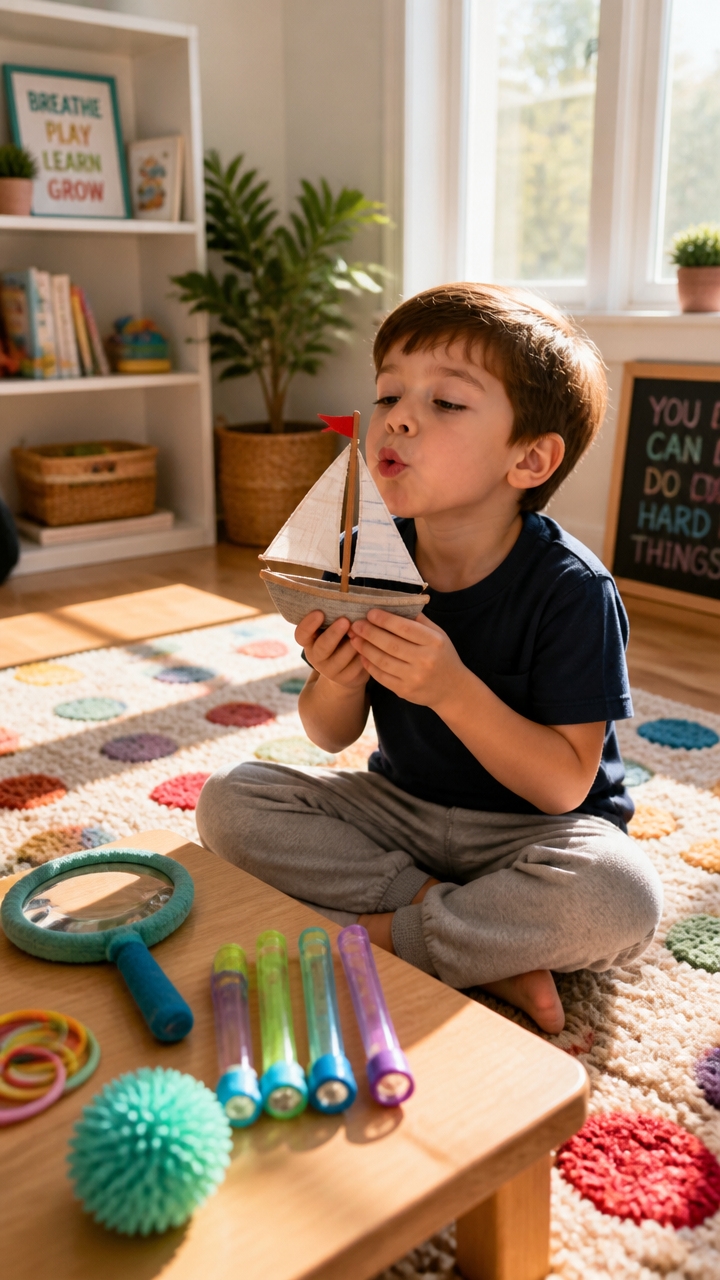
Using toys and props is a foolproof way to make breathing exercises full of laughter and fun. For breathing exercises for kids, pretend pinwheels spin as they breathe deeply. Use balloons to imagine inflating, which promotes slow, controlled breaths. Bubble blowing makes exhaling hilarious and chaotic. It’s a safe, playful method to help your little one practice deep breaths and enjoy learning.
Simple Steps to Help Your Child Practice Breath Counting
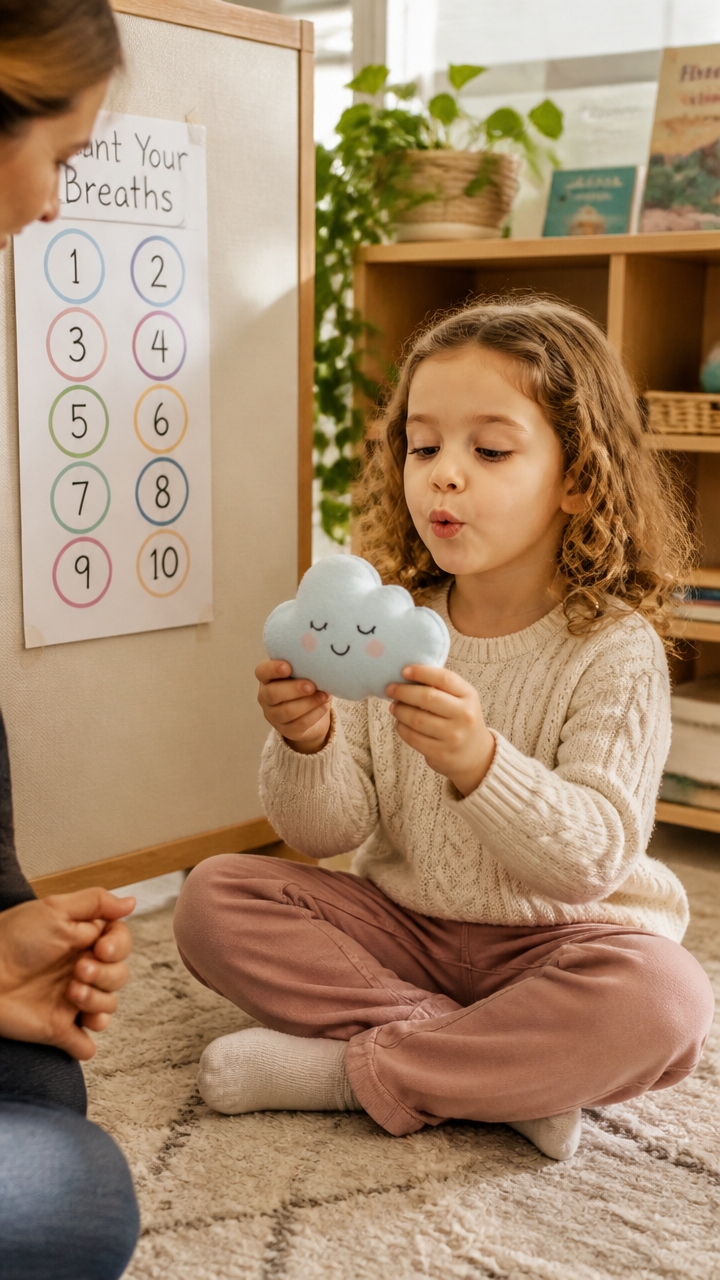
Sharing simple, calm moments with your child is a wonderful way to make breath counting both fun and effective. To help your child breathe, encourage sitting comfortably with hands on the belly and chest, then guide them to inhale for three counts, and exhale for four. Count together, like “One rabbit, two rabbits,” making breath counting a delightful, trusting routine.
Building a Bedtime Routine With Breathing Games
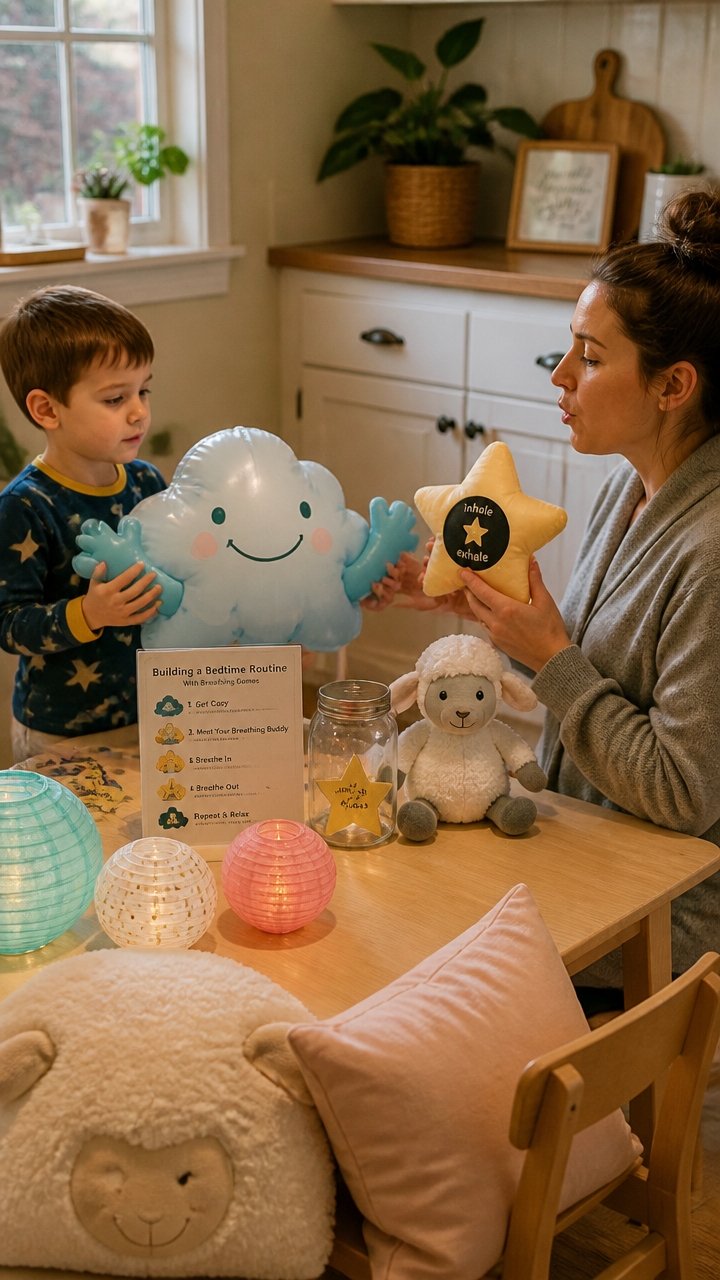
Creating a calming bedtime routine filled with playful breathing games can turn nightly routines into unforgettable bonding moments. To build this, gently encourage your kids to deep breathe, pretending to blow bubbles or cool cookies. A great way to relax their minds and teach emotional control, these easy games create a cheerful, safe environment. Laughter and calm make bedtime special.
Sensory Breathing Activities: Flowers, Candles, and More
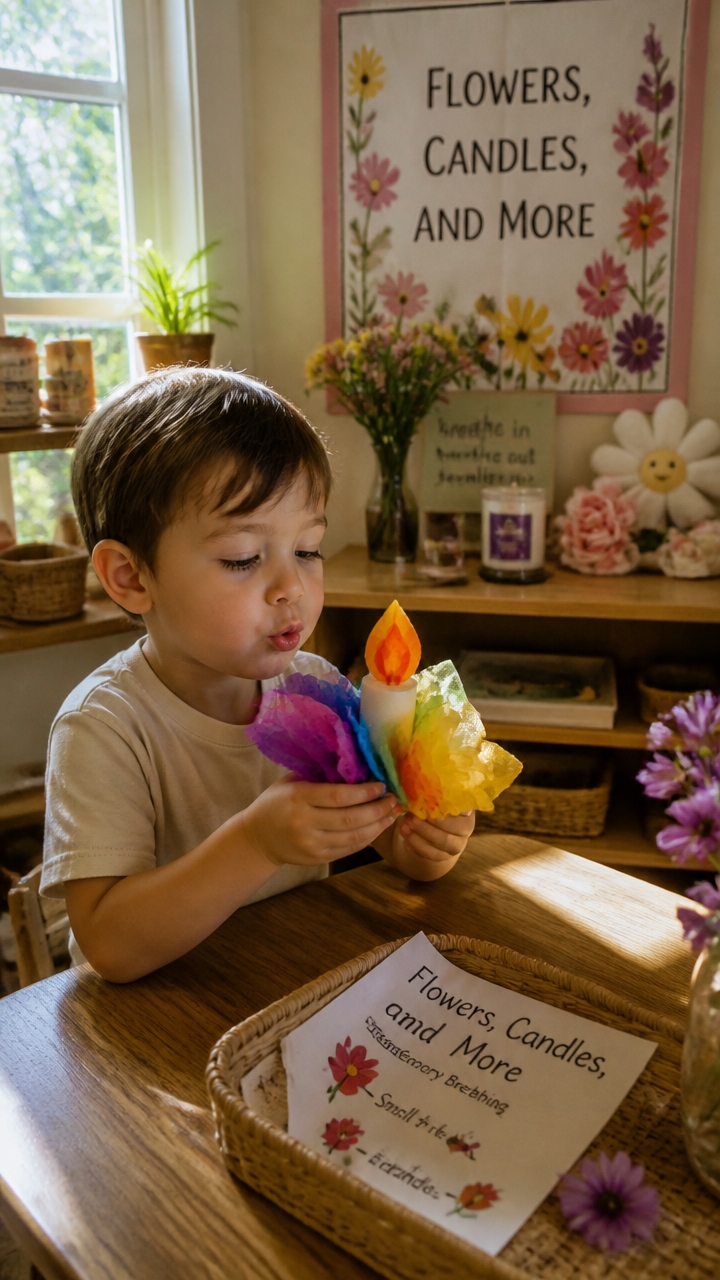
Imagine turning breathing into a playful sensory adventure that your child will love. Use mindful breathing with fun visualizations, like imagining flowers and candles. Incorporate playful actions, such as blowing bubbles or pretending to hold a cookie. These sensory techniques connect kids to their emotions, promote relaxation, and make deep breathing safe, memorable, and joy-filled, an easy way to nurture calmness together.
Signs Your Preschooler Is Ready to Practice Independently
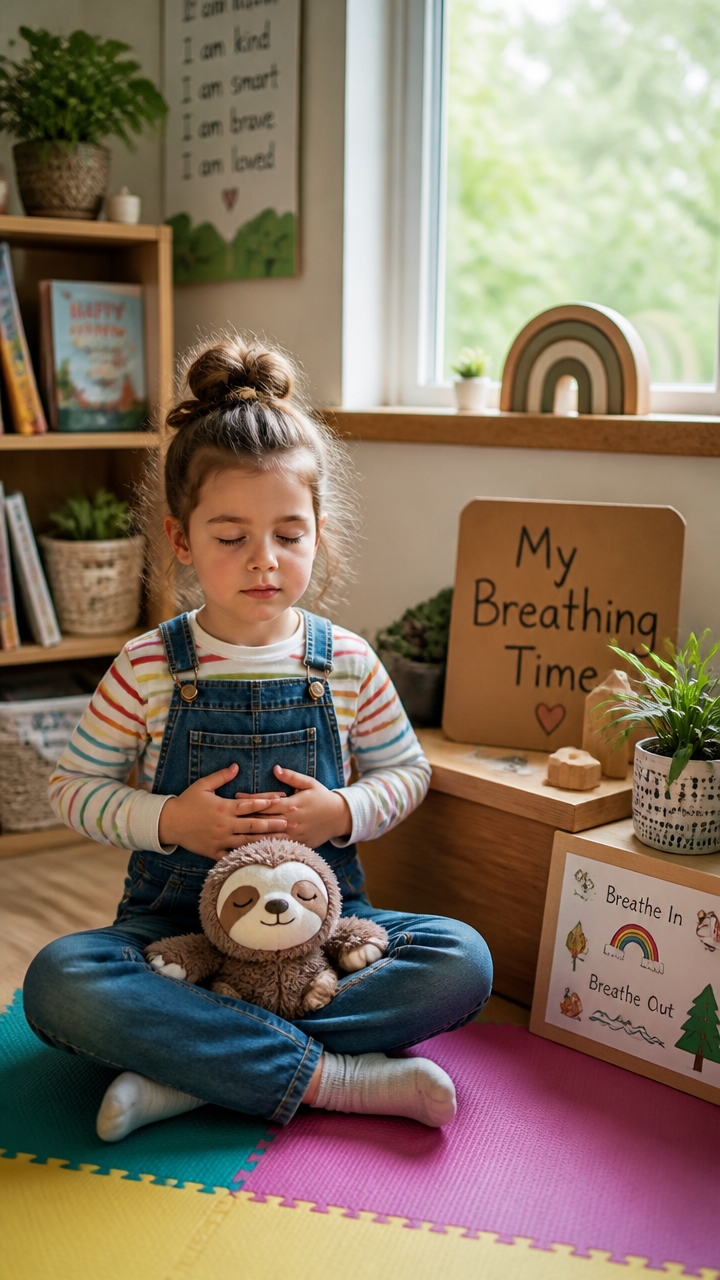
Have you ever noticed when your preschooler suddenly wants to try things on their own? Look for signs your preschooler is ready for practicing breathing independently. They can follow simple instructions, stay focused and calm for at least a minute, and spontaneously use breathing techniques during stress. It’s a great way to foster independence and emotional control, and unforgettable bonding.
Tips for Troubleshooting Breath Practice Challenges
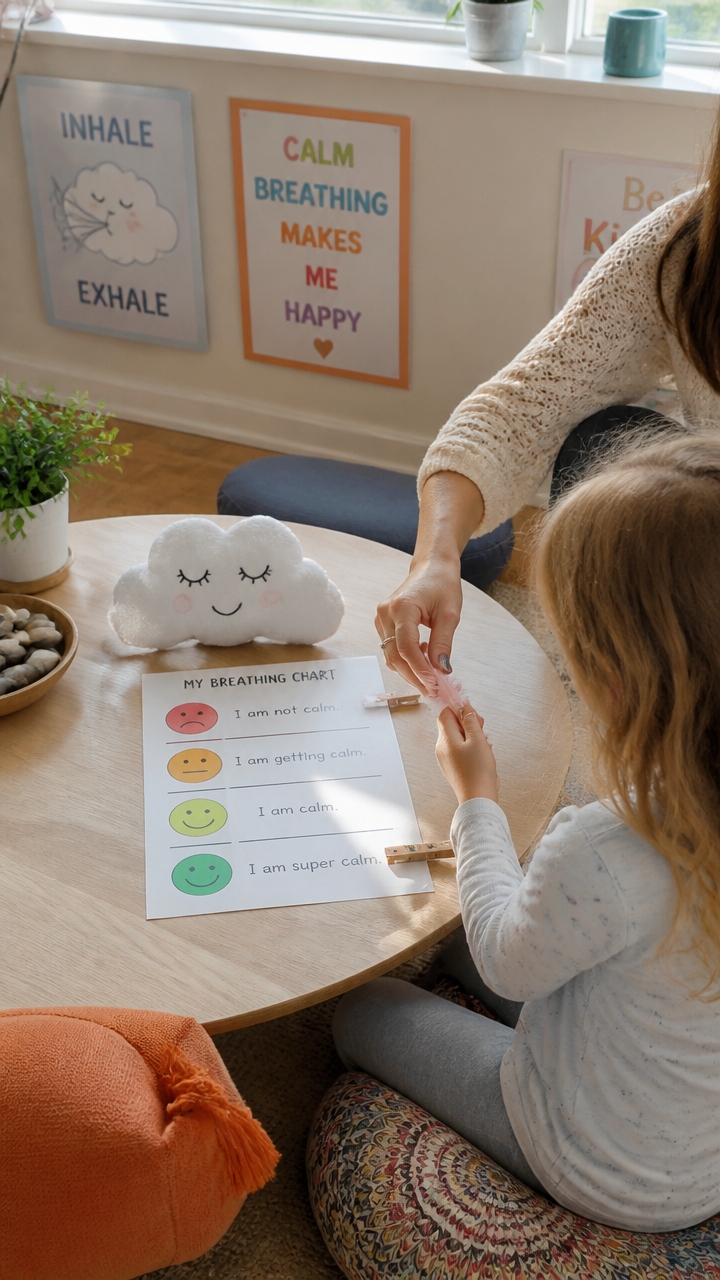
Troubleshooting breath practice challenges can feel tricky, but with patience and some clever tweaks, you’ll see your preschooler gain confidence. Help your child stay relaxed by keeping exercises short and playful, like blowing bubbles or smelling flowers. Demonstrate the breaths yourself, praise every effort, and adapt as needed, these gentle steps make exercises fun and less chaotic, strengthening bonds and building happy memories.
Easy Ways to Incorporate Breathing Into Daily Play
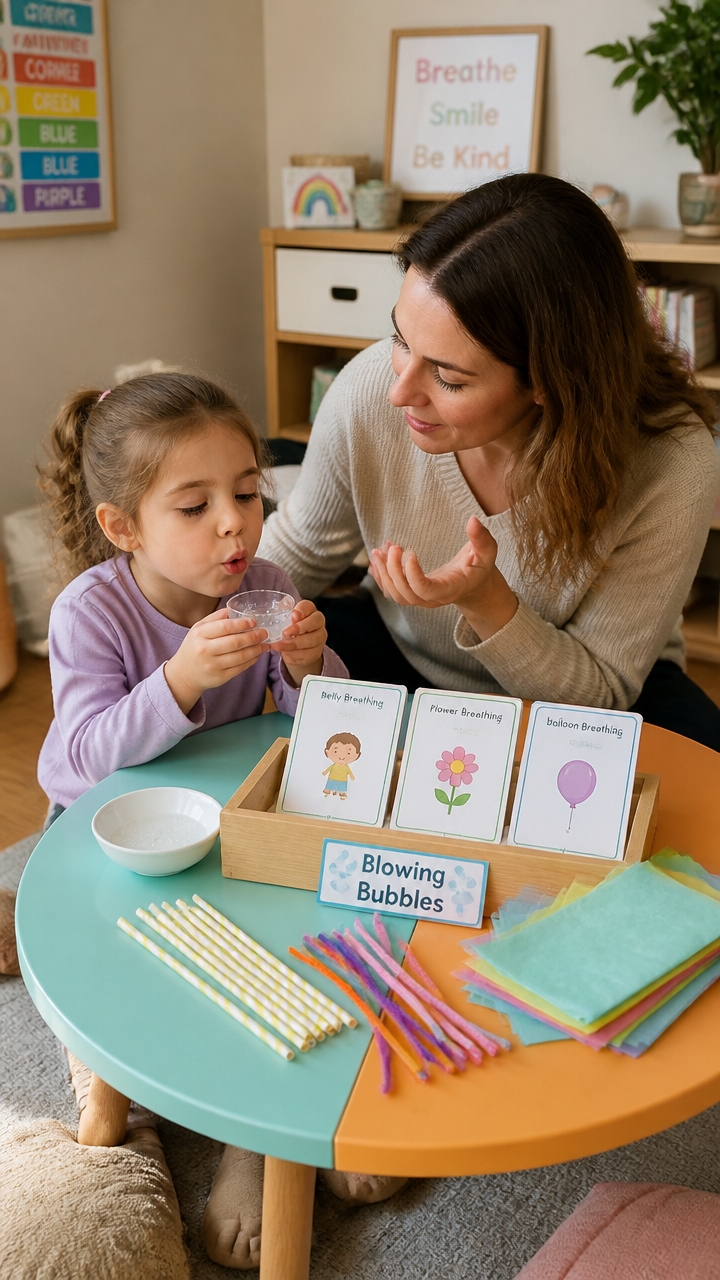
Breathing can be part of your family’s everyday fun, creating moments filled with giggles and bonding. During playtime, encourage your kids to pretend blowing up a balloon or blowing out birthday candles. Use storytelling, like imagining blowing a breeze to make a flower grow, or turn animal sounds into deep play. It’s a safe, cheerful way to connect and relax.
How Parents Can Model Calmness and Breath Awareness
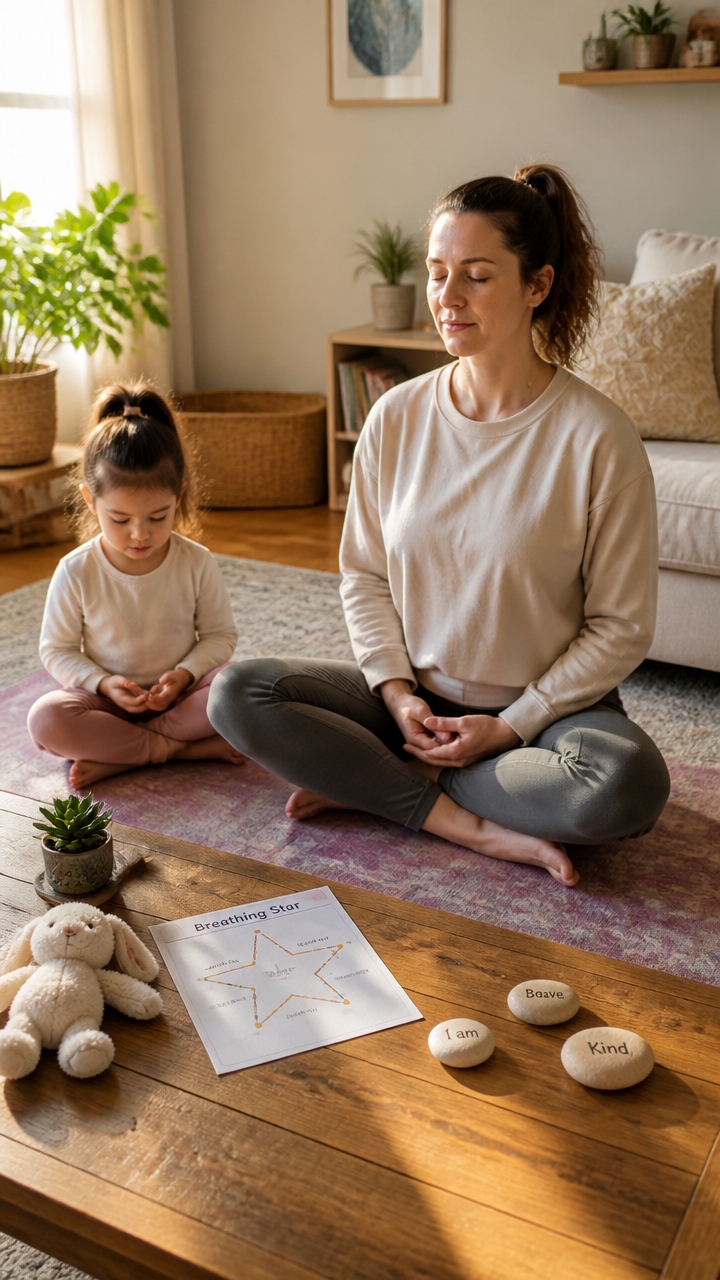
Sharing calm moments with your preschooler can turn everyday routines into unforgettable bonding experiences. To model calmness, breathe deeply during quiet times, narrate your breath, and stay relaxed. It’s a great way to show your child the power of deep breath, calming your nerves. Practice slowing your breath during routine chores, creating a safe space for your family’s peaceful moments.
Using Gently Guided Yoga for Preschooler Relaxation
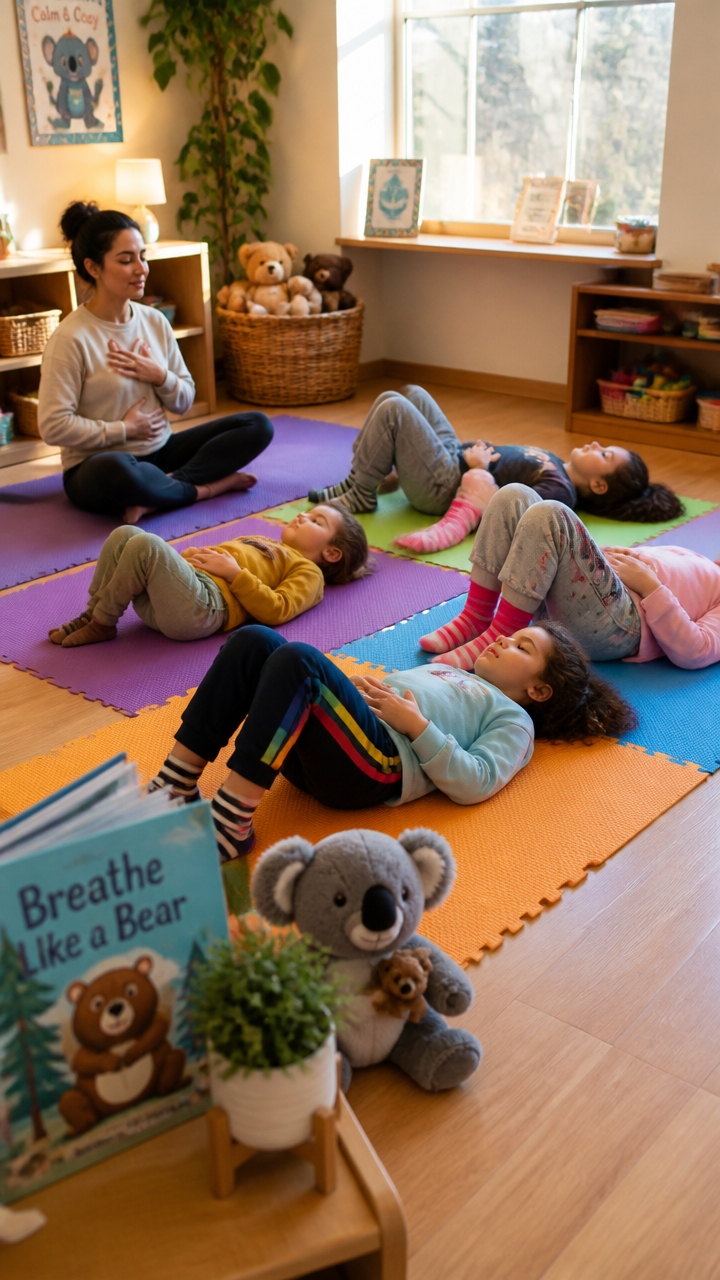
Unforgettable bonds often start with simple, playful moments, and gentle guided yoga can be just that for your preschooler. Encourage them to breathe out slowly during poses, using storytelling or imagination to keep it fun. It’s a safe way to help children and adolescents relax, release energy, and focus, creating calm connections. A great way to nurture trust and peace.
Short Breathing Exercises for Busy Mornings
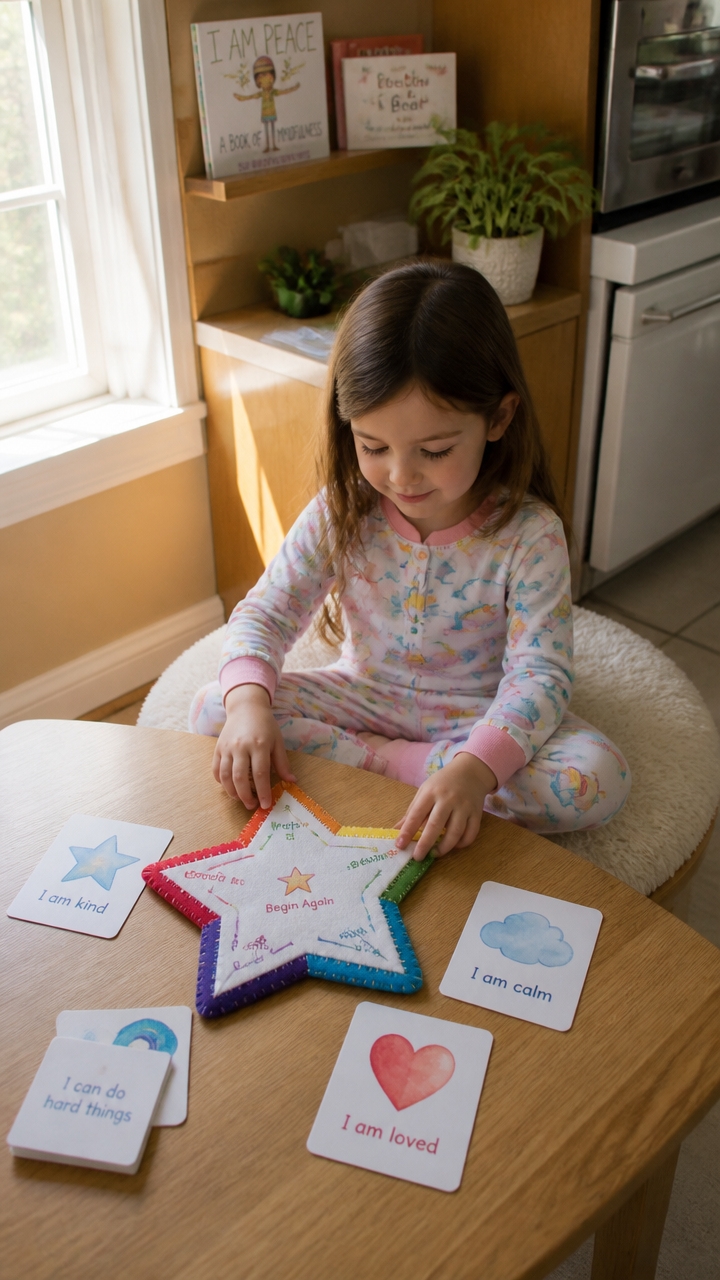
Mornings can be hectic, but a few quick breathing exercises can turn chaos into calm. Use short breathing exercises like Cookie Breathing, imagine inhaling a cookie’s smell and exhaling cool air. Do Balloon Breathing, picturing inflating a balloon. These fun visuals help your kids deal with stressful situations, promoting calmness and emotional safety, making busy mornings feel more playful and peaceful.
Printable Guides to Help Practice Breathing at Home
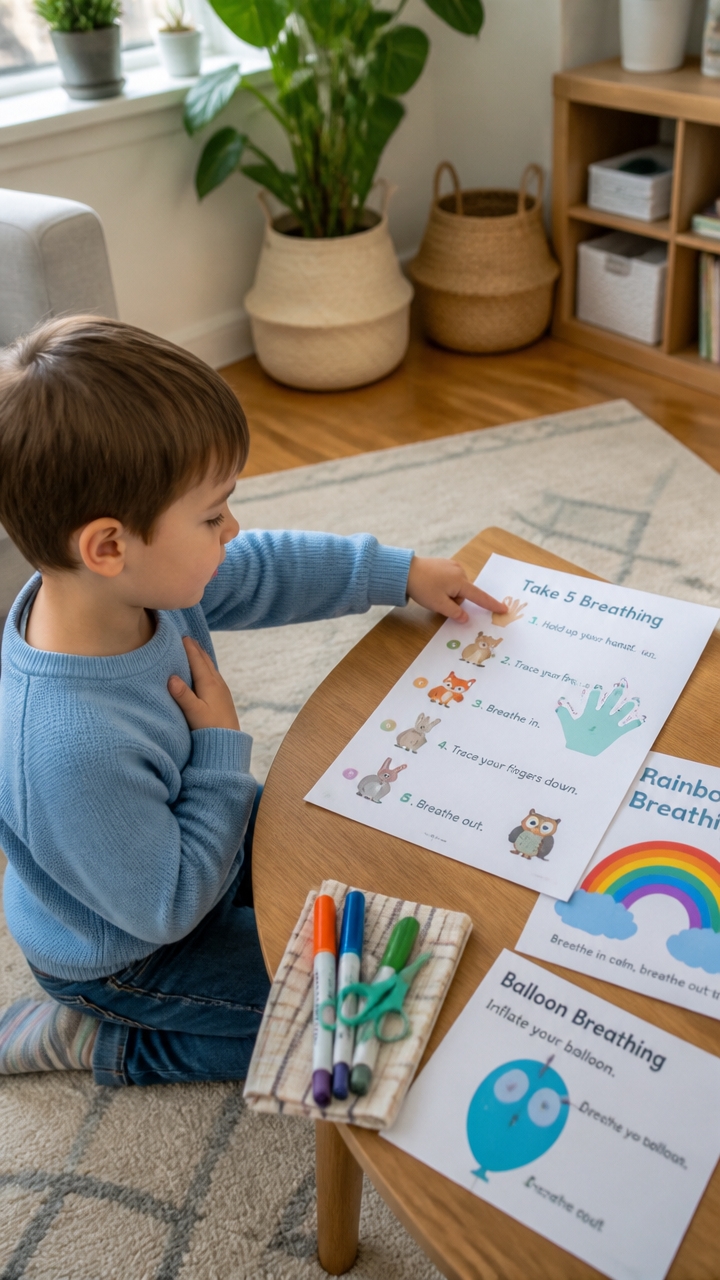
Printable guides are a wonderful tool to help your family practice breathing exercises at home, offering clear and simple steps that make it easy for preschoolers to follow. Use these curated printable guides, which often include fun visuals and simple instructions for a deep breath. They’re a great way to build calmness, encourage mindful moments, and make breathing practice safe and enjoyable.
The Connection Between Breathing and Managing Preschool Anxiety
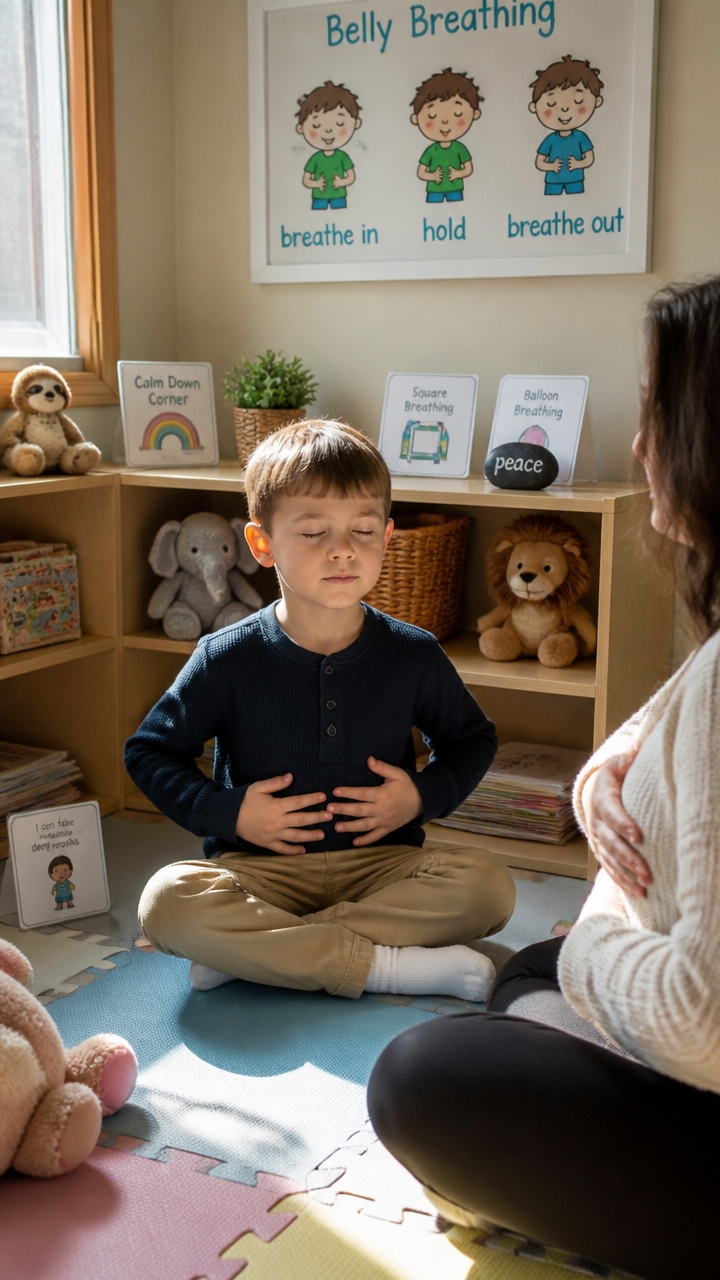
Breathing exercises are a powerful tool for helping preschoolers manage anxiety, especially when they’re feeling overwhelmed or scared. Try these Five Deep Breathing Exercises: 1. Balloon breaths, inflate and deflate your belly like a balloon. 2. Cookie breaths, picture a tasty treat shrinking. It’s a great way to calm kids and teens, creating safety, laughter, and unforgettable bonds during anxious moments.
Quick Breathing Techniques to Help Calm Tantrums
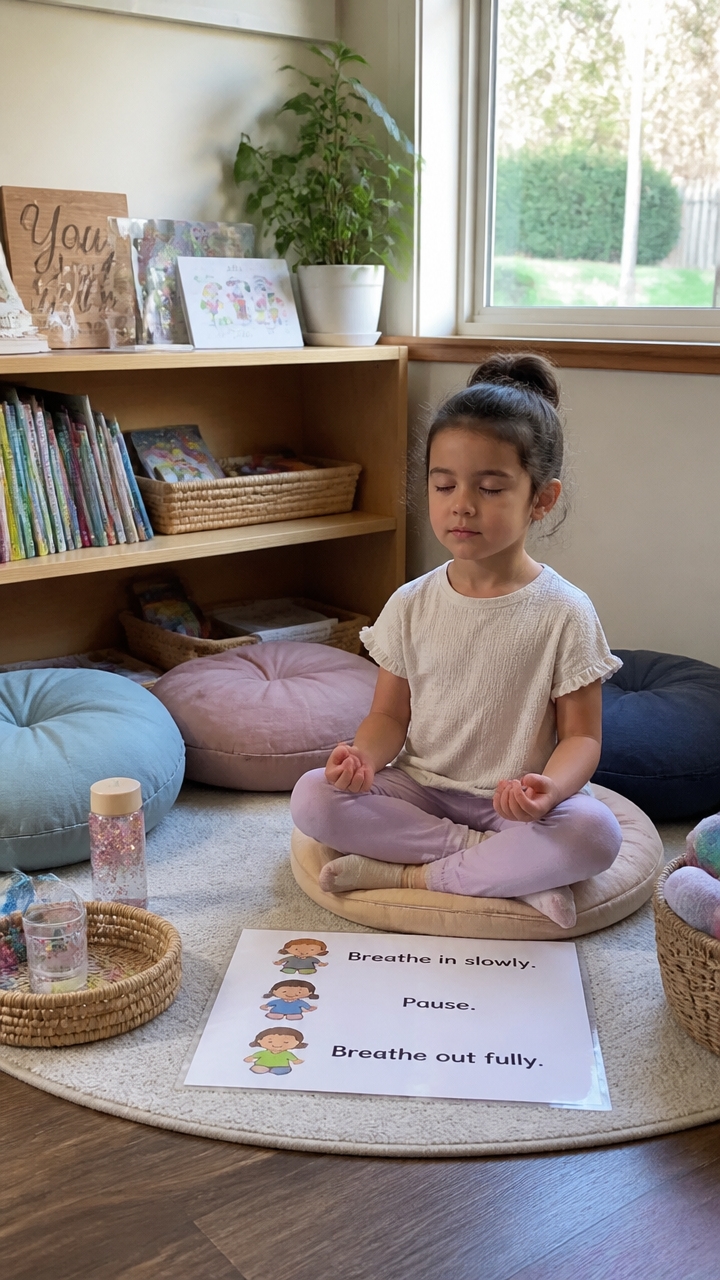
When tantrums hit, quick and simple breathing techniques can help you and your child find calm fast. First, teach your child to take a deep breath, breath out slowly. Try “Bubble Breathing,” where they imagine blowing bubbles gently. It’s a calming, safe way to center your child, helping them breathe out slowly and regain control during chaos.
Making Breathing Exercises a Fun Part of Your Nighttime Routine
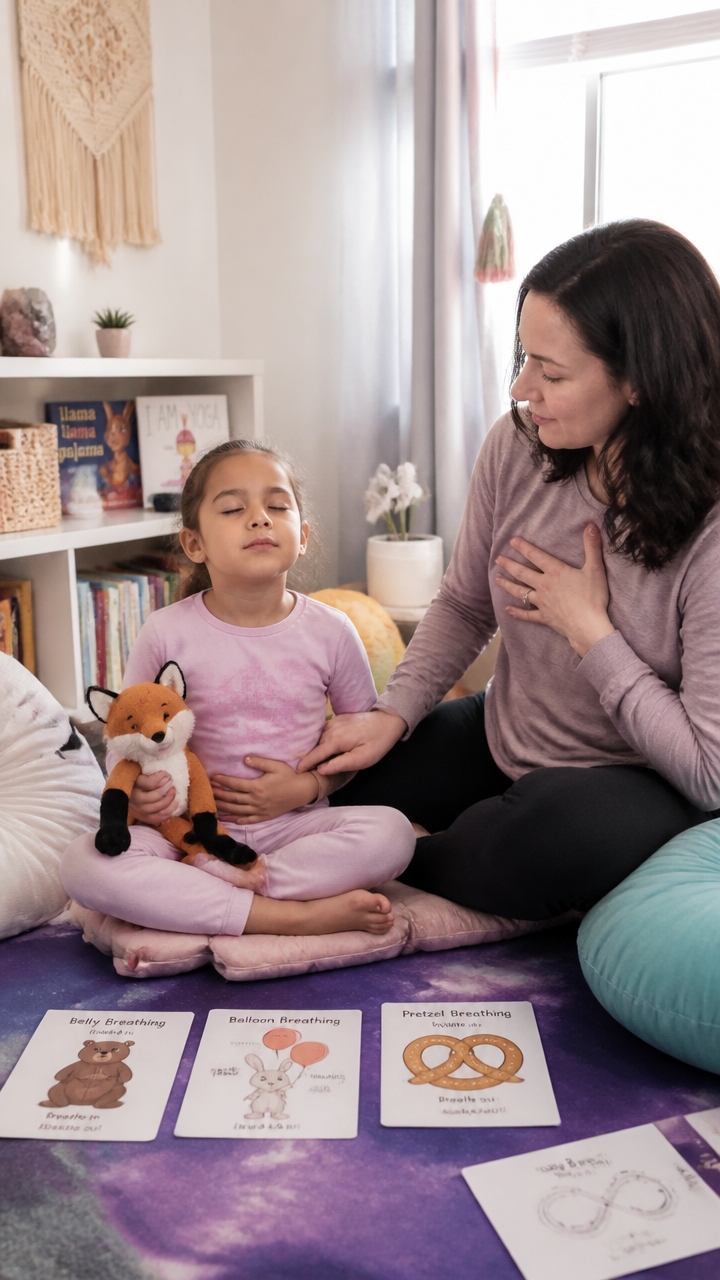
Creating a fun bedtime routine can turn calming into a beloved activity that your child looks forward to every night. Ask your child to take a deep breath, then try “Cookie Breathing,” imagining a scent. Use calming visuals like a dimly lit room, maybe a soft nightlight. It’s a gentle, safe way to help your preschooler relax and bond.
Final Takeaways
Trying these breathing exercises will bring laughter, calm, and stronger bonds to your busy family days. They are simple, fun activities perfect for preschoolers that require no screens and can be incorporated easily into daily routines. These playful techniques help young children develop important self-regulation skills, promote relaxation, and foster creativity as they learn to manage their emotions in manageable, engaging ways.
Remember, your calm energy sets the tone, so consider improvising with props like bubbles or cookies to make each session more interactive and enjoyable. Celebrating each tiny success reinforces a positive experience, encouraging preschoolers to feel proud of their progress. These activities turn chaotic moments into cheerful opportunities for learning, laughter, and unforgettable memories.
With patience and curiosity, you’ll see your preschooler thrive, feeling relaxed, confident, and happy, ready to face whatever comes next. Your effort in nurturing these early mindfulness practices creates meaningful moments that truly matter, supporting their emotional growth while making family time enjoyable and educational.