
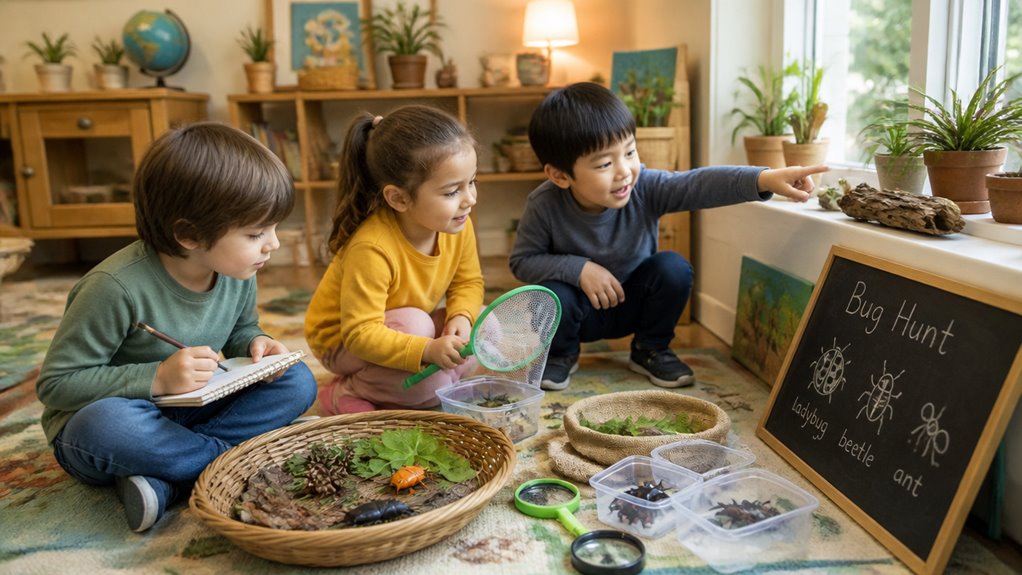
Imagine turning your yard into a bug-hunting adventure that sparks curiosity and teaches teamwork. With simple tools like magnifying glasses, jars, and a notebook, you can guide kids to discover tiny creatures and observe their behaviors safely. As they track insects like beetles and ants, they’ll build confidence in identifying and caring for living things. Ready to create memorable outdoor experiences that inspire lifelong respect for nature? Let’s explore how to make these adventures even more exciting!
Why Bug Hunts Are Great for Kids’ Curiosity and Learning
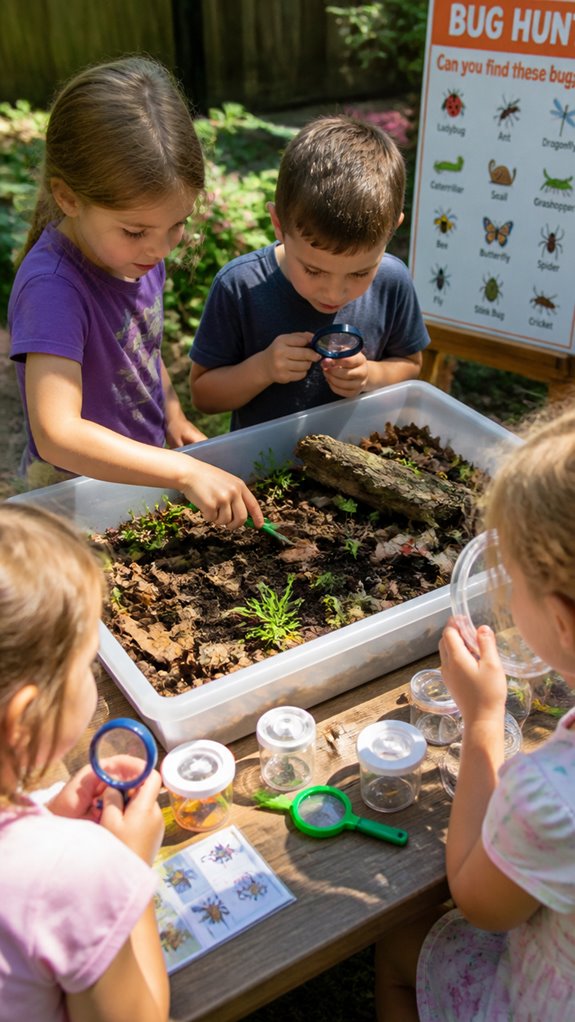
Bug hunts are a fantastic way to spark your natural curiosity and boost your learning skills! When you bug learn, you observe and record insect behaviors carefully, using gentle hands and patience. This sharpens your observation skills and helps you understand how bugs live, pollinate, and decompose. Plus, you’ll feel proud of your discoveries and new knowledge! You can enhance this experience by combining your bug hunt with a nature scavenger hunt to explore even more of the natural world around you.
How to Choose Age-Appropriate Insects for Your Bug Hunt
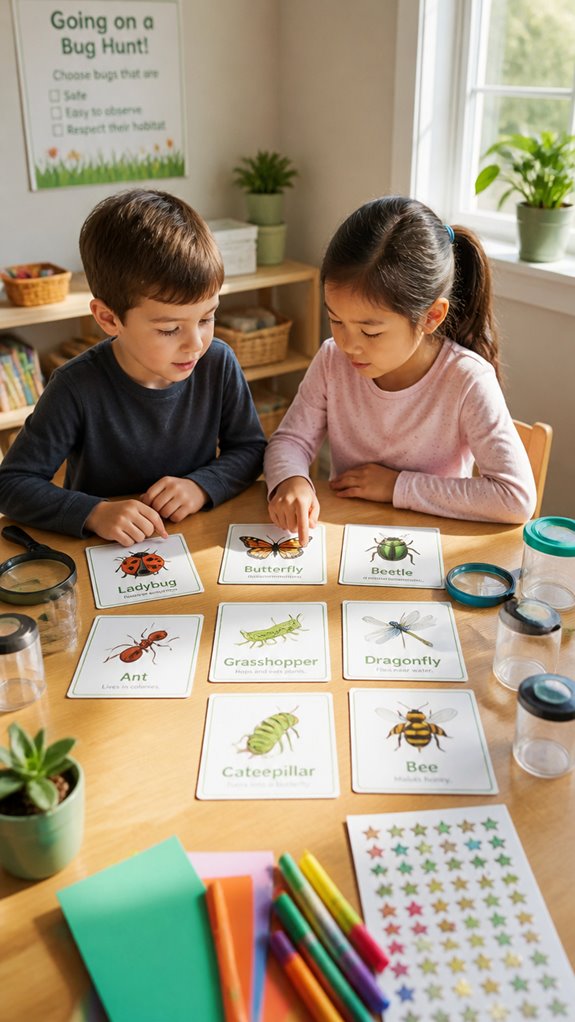
When planning your bug hunt, choosing the right insects makes all the difference in having a safe and exciting adventure. Select age-appropriate insects like ladybugs, butterflies, or beetles, which are recognizable bugs that kids can identify easily. Avoid harmful insects like wasps or spiders. Focus on safe, colorful bugs with distinctive features to make learning fun and worry-free! You can even transform your bug discoveries into creative recycled crafts by using natural materials collected during your hunt to create educational art projects.
What Tools Do You Need for a Successful Bug Hunting Adventure?
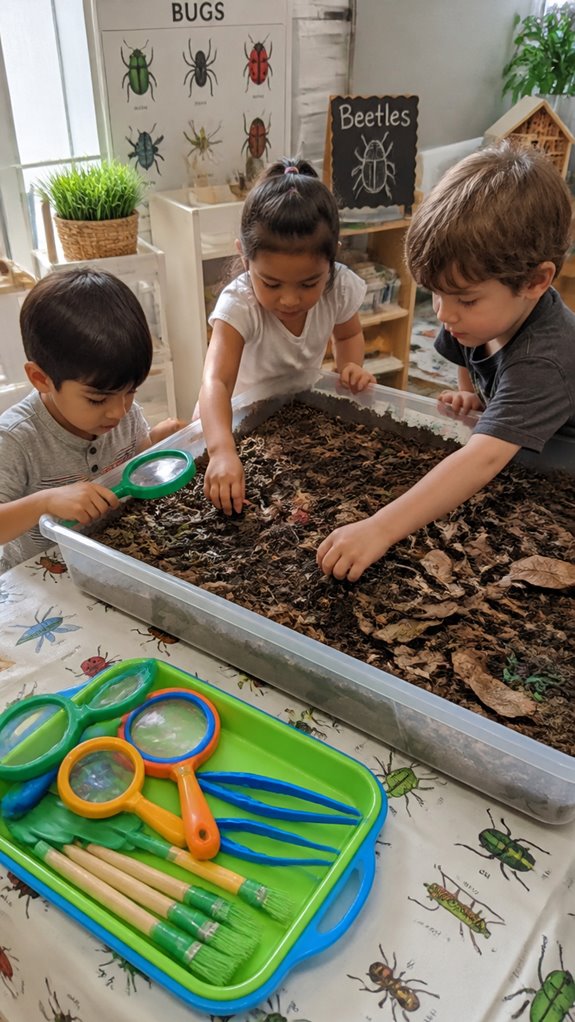
Getting ready for your bug-hunting adventure is half the fun, and having the right tools will make your search easier and more exciting! Use a magnifying glass to get a close-up look at tiny insects, and bug nets to catch flying bugs safely. Keep a notebook for observations and sketches. Always stay safe, wear protective clothing, and enjoy your bug discovery fun! Consider combining bug hunting with sensory exploration activities like observing the textures and colors of different insects to deepen your child’s learning experience.
How to Set Up a Safe and Fun Backyard Bug Hunt
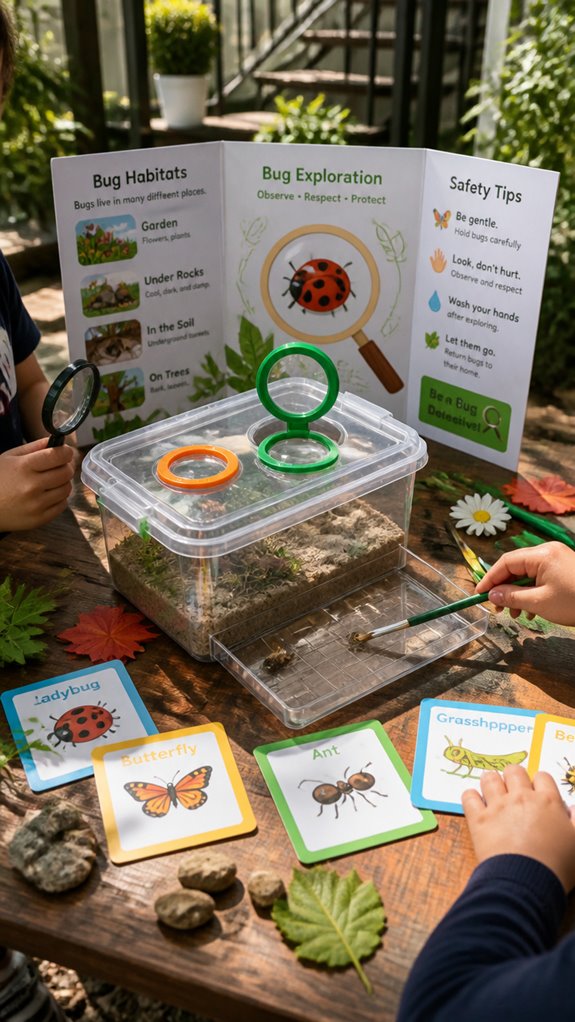
Setting up a backyard bug hunt is easy and fun when you have a plan! Choose a safe outdoor area free of pesticides, like your garden, and set clear boundaries with markers. Bring essential tools for insect exploration, and always supervise your kids closely. Guide them to handle bugs gently, ensuring everyone stays safe while discovering nature’s tiny wonders! Consider incorporating mess-free craft ideas like bug observation journals where children can sketch and document their findings without creating cleanup hassles.
How to Identify Common Backyard Insects: Beetles, Ants, and Spiders
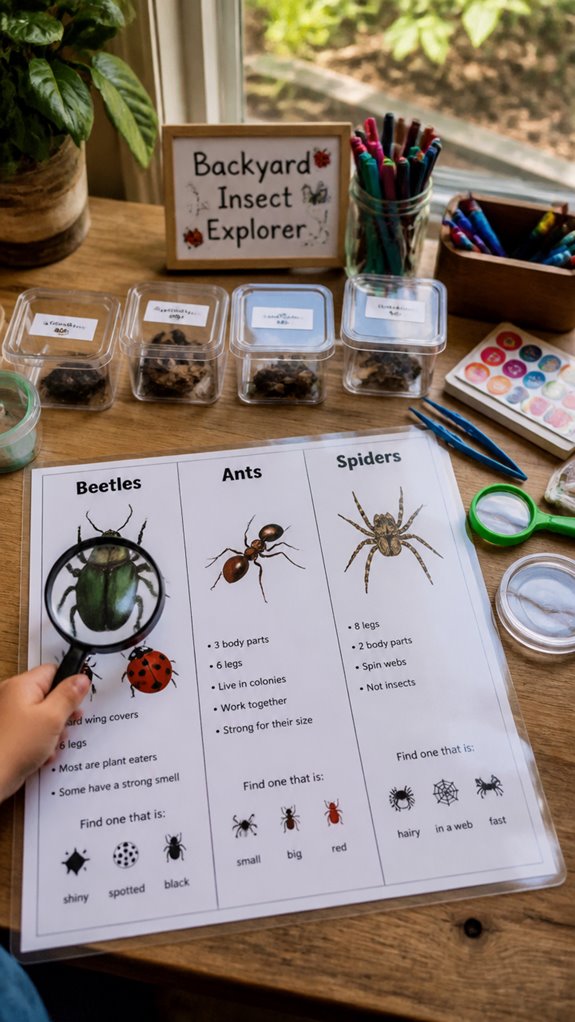
Have you ever wondered how to tell if an insect in your backyard is a beetle, an ant, or a spider? During your bug hunt, look at their shapes and behaviors. Beetles have tough, shell-like wings; ants have narrow waistbands called petioles; spiders spin circular webs. Recognizing these clues helps you explore nature and science safely! You can also combine bug hunting with mud play activities to create a multi-sensory outdoor learning experience for toddlers and young children. Keep observing and learning!
How to Find and Observe Butterflies and Moths With Nets and Guides
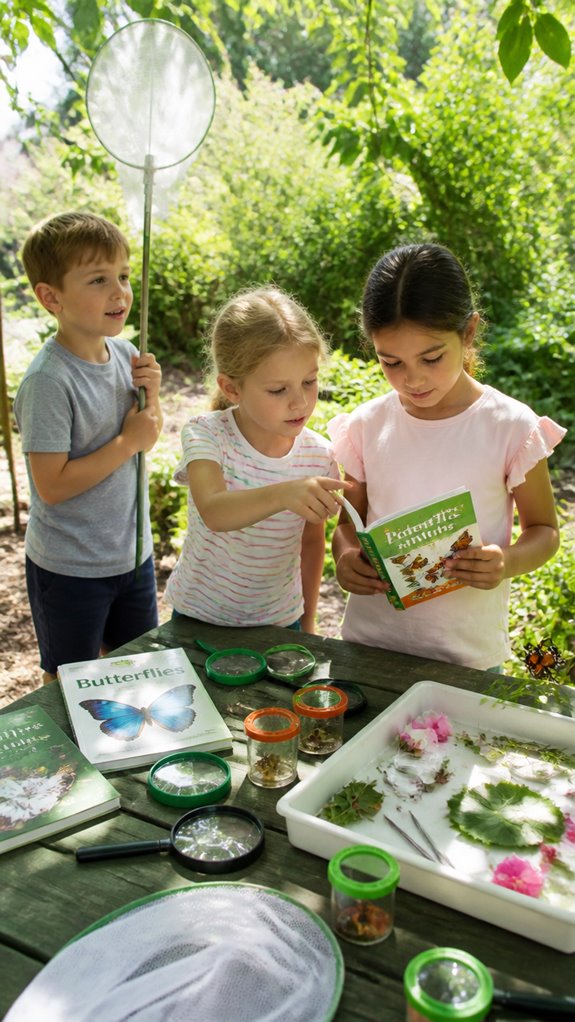
To start finding and observing butterflies and moths, grab a butterfly net with a fine mesh, this special net is gentle enough to catch insects without hurting their wings. Search near flowering plants on sunny days. Use a guide or app to identify species, then carefully observe the colors and patterns. Release the insects promptly to keep them happy and safe!
Exploring Soil Inhabitants: How to Discover and Observe Worms and Other Soil Creatures
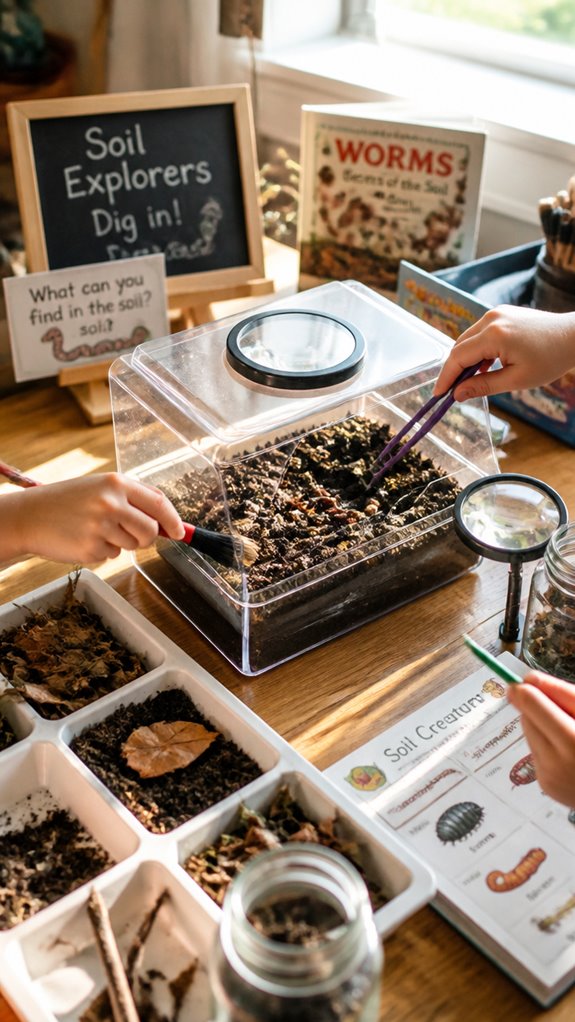
Exploring soil inhabitants is an exciting adventure that lets you discover tiny creatures hiding right beneath your feet. To observe these soil inhabitants safely, gently sift through damp soil or leaf litter into a shallow container. Use a magnifying glass to see worms and bugs close up, noting their movement. After rain or watering, worms often come near the surface, making discovery even easier!
How to Spot Fireflies at Night: Tips for Nighttime Bug Hunts
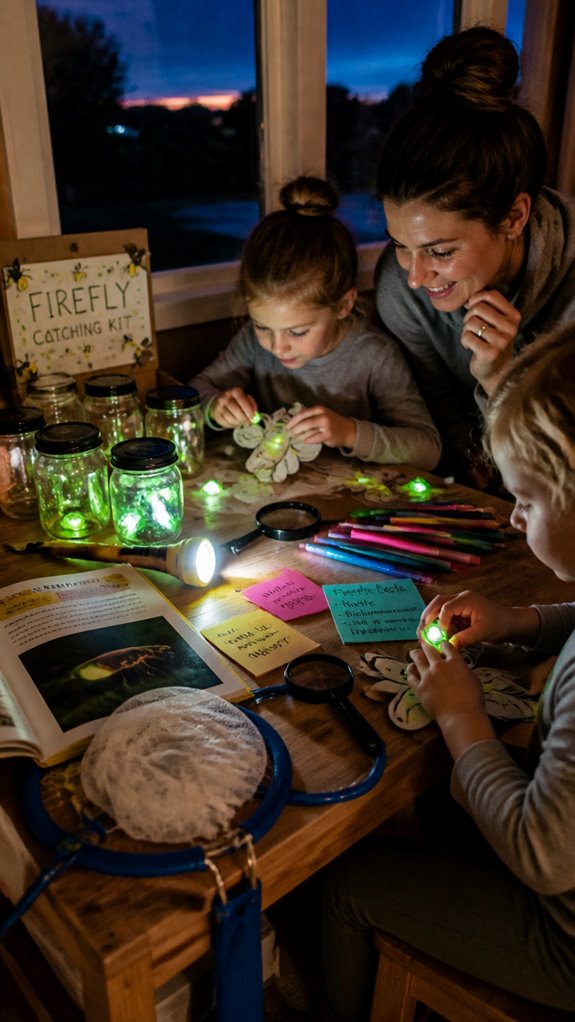
As the sun sets and the sky turns darker, fireflies wake up and start flashing their tiny lights. During nighttime bug hunts, look in open grassy areas or near trees where fireflies hover and flash their blinking signals. Warm, humid nights with little wind are best. Watch closely as they create mesmerizing, synchronized “firefly dances” in the dark!
How to Collect and Handle Bugs Respectfully and Safely
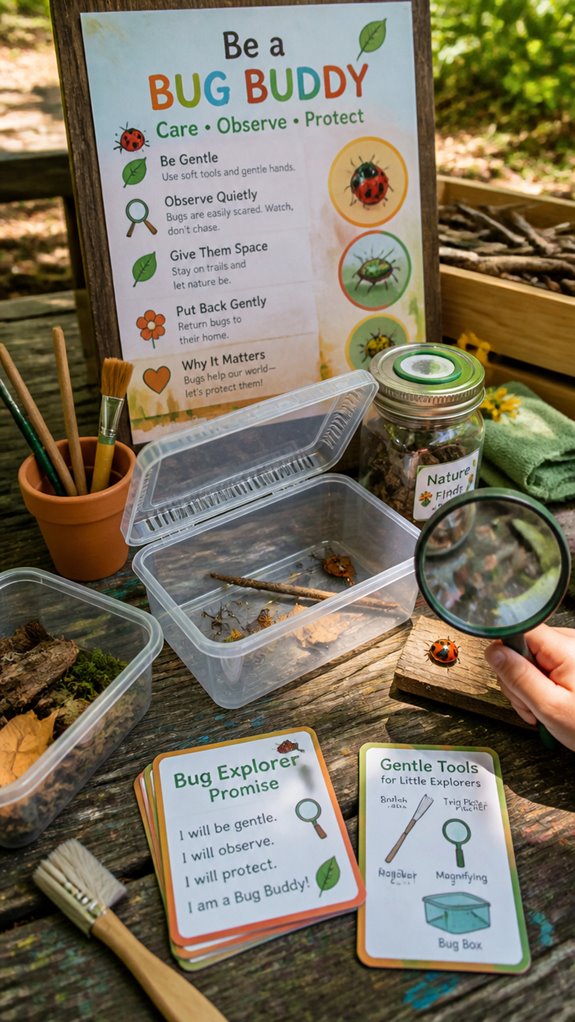
When collecting bugs, always use a moist, well-ventilated container with tiny air holes, think of it as giving your bug a cozy, breathable home. Handle insects gently, avoiding squeezing or rough grabs, to keep them safe. After observing, release bugs back into nature. Wash your hands afterward for safe exploration and to help protect these tiny creatures!
How to Record Your Findings: Using Journals, Photos, and Drawings
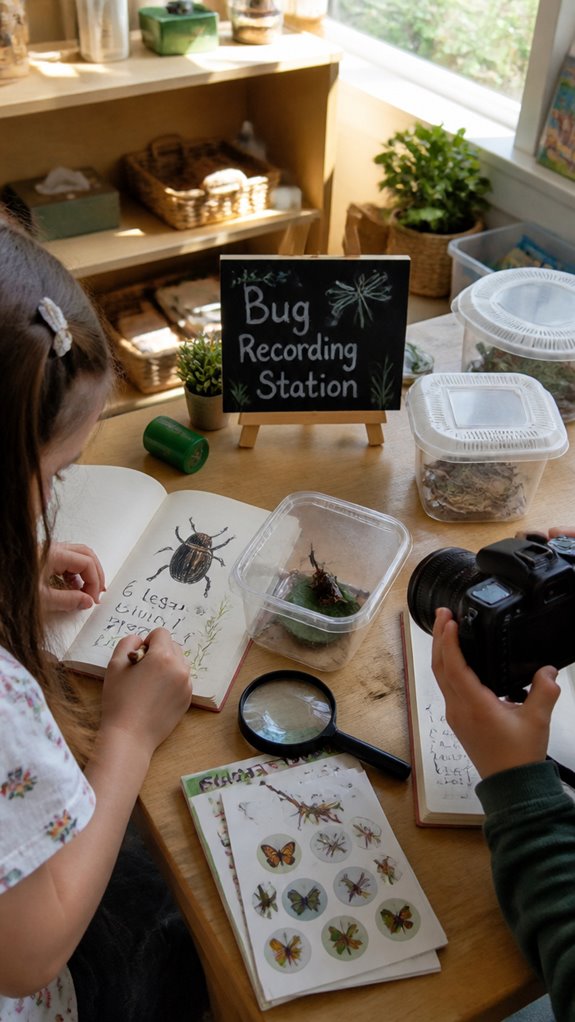
Keeping a record of your bug findings is a fun and important part of your adventure! Use a journal to note details like size, color, and behavior, practicing observation skills. Make drawings to highlight insect features and take photos for a visual record. Writing descriptive notes about habitat and activity helps you learn and feel proud of your discoveries!
What Apps and Identification Charts Can Help You Identify Insects?
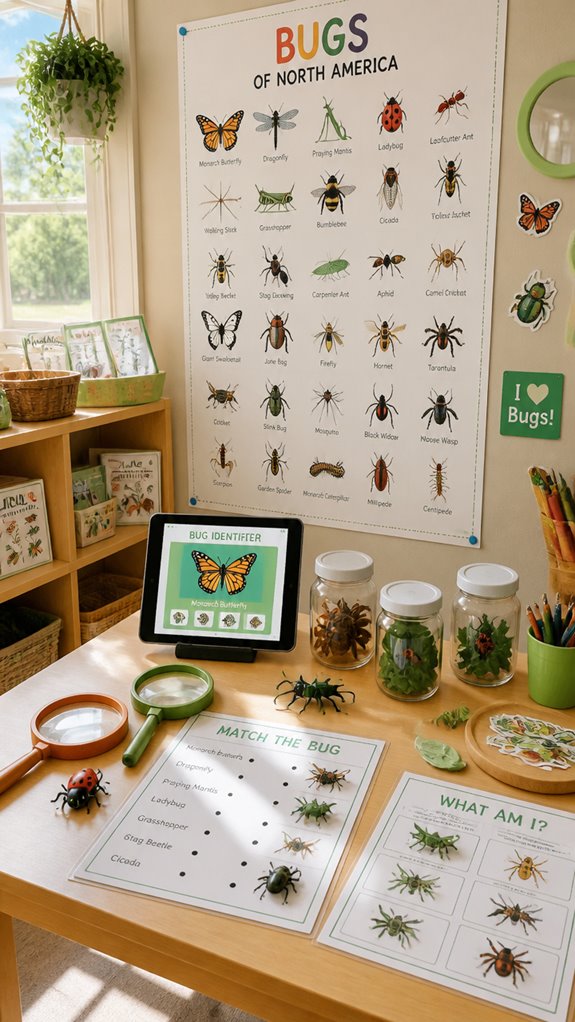
There are many fun tools that can help you figure out exactly what kind of bug you’ve found on your adventure! Use insect identification apps like Seek or Picture Insect for quick recognition, and printable identification charts featuring detailed illustrations. These tools also share educational facts about insects’ homes, habits, and importance, making bug hunts safe, exciting, and full of discovery!
How to Turn Bug Hunts Into Fun Learning Games and Challenges
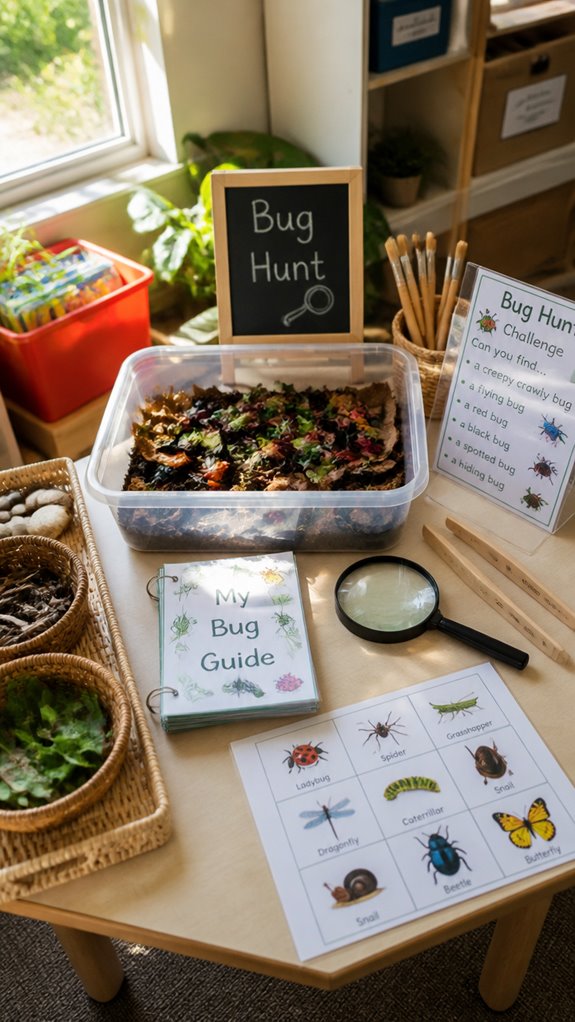
Get ready to turn your bug hunt into an exciting game packed with challenges and learning! Create a scavenger hunt with pictures or names of insects, encouraging careful searching in the environment. Set timed tasks to boost observation skills, award points for bug collecting, and use riddles about bug habitats. These activities make discovering bugs safe, fun, and full of learning!
How to Incorporate STEM Activities Into Your Bug Exploration
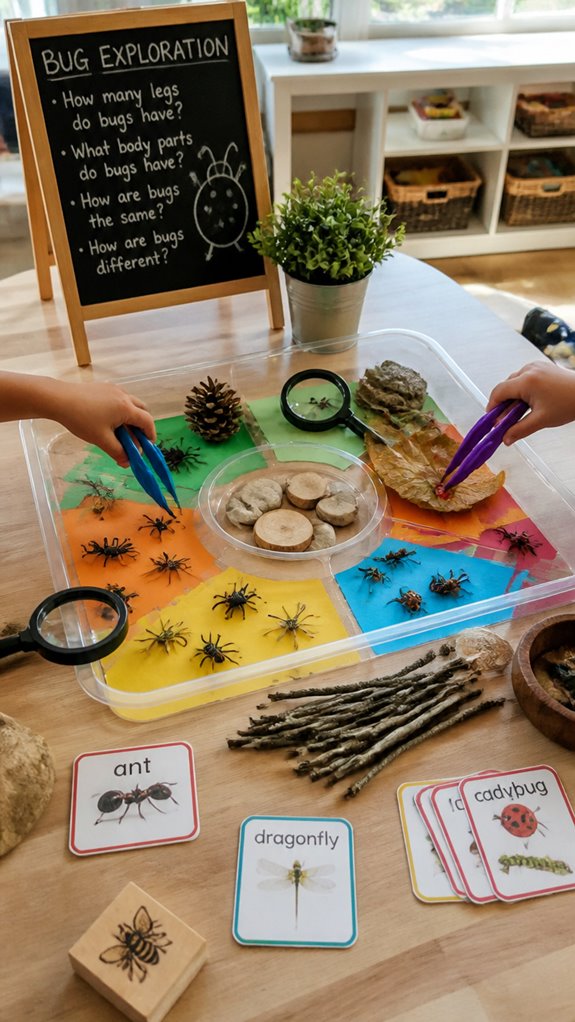
Bring your bug exploration to the next level by incorporating fun STEM activities that encourage problem-solving and curiosity! Build safe bug habitats using recycled materials, fostering environmental awareness. Use magnifying glasses for inquiry, examining insect anatomy. Keep data collection easy with logs and charts, developing scientific skills while kids enjoy designing traps or barriers for hands-on engineering fun!
What Safety Tips Should You Follow When Handling Insects?
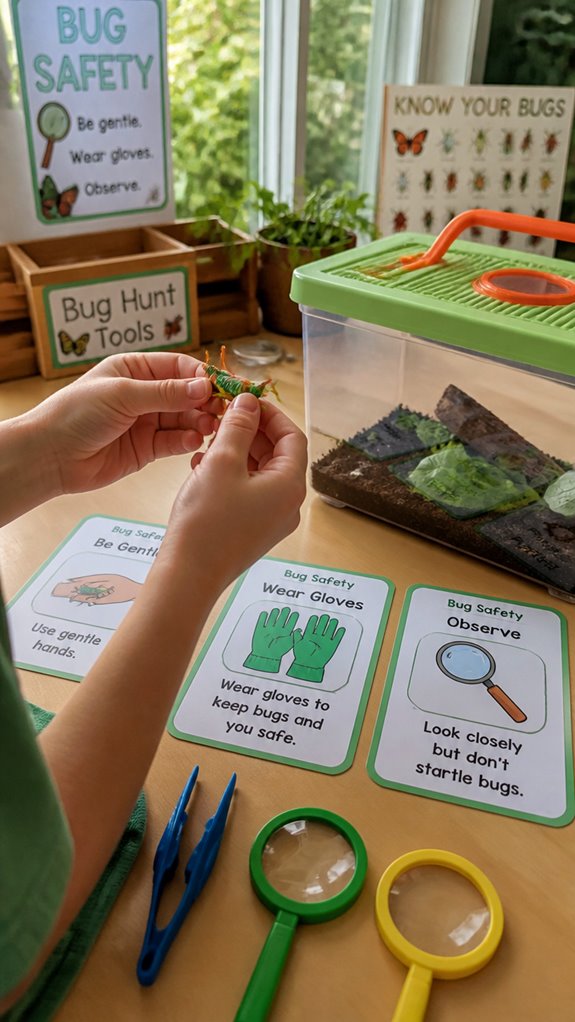
Ever wonder how to stay safe while having bug-tastic adventures? Always wash your hands after handling insects to keep germs away. Use tools like tweezers instead of direct contact, especially with tricky insects like wasps. Supervise little explorers closely, ensuring they handle insects gently. Remember, safety first makes bug hunts more fun and bug-tastic!
How to Recognize and Avoid Harmful or Dangerous Bugs
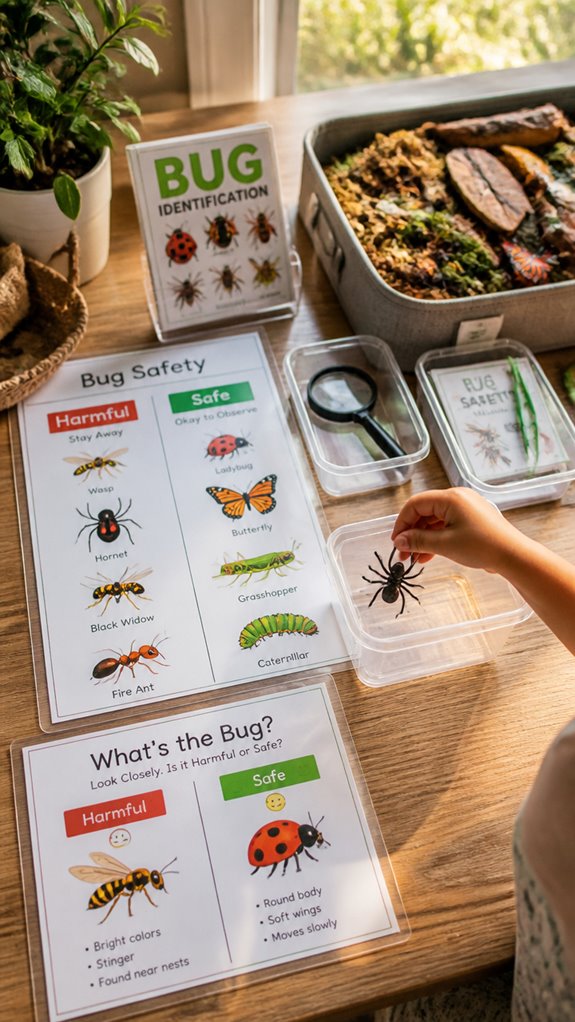
Knowing which bugs are safe and which ones can be dangerous is a super important skill for any young explorer. To recognize harmful bugs, look for bright colors, aggressive moves, or warning signals. Avoid bugs with stingers, big jaws, or venomous marks. Staying alert helps you enjoy a safe outdoor activity and keeps your bug hunt fun and injury-free!
How to Host a Family or Community Bug Safari Event
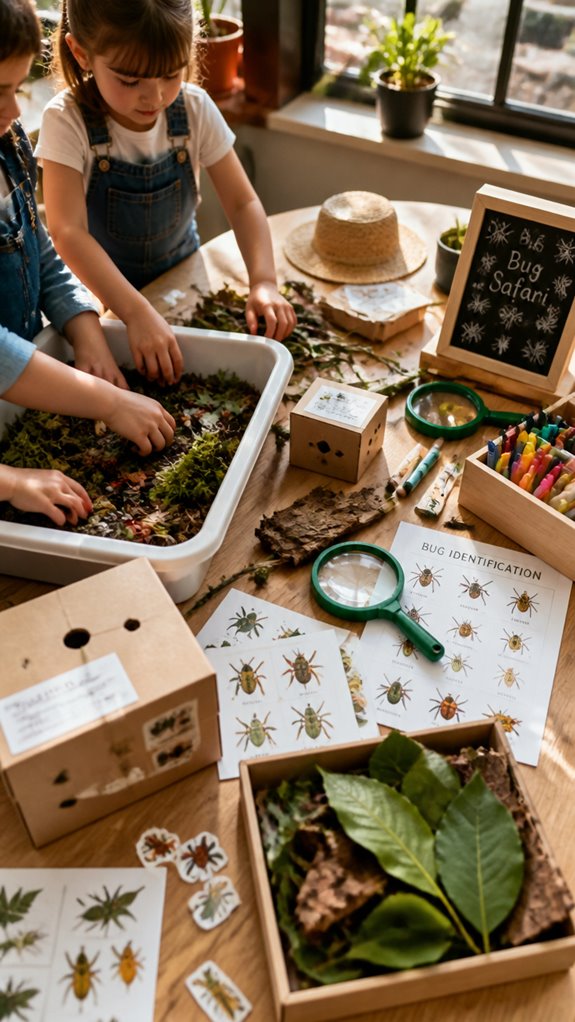
Hosting a family or community bug safari is an exciting way to explore nature together and learn about tiny creatures that hop, crawl, and fly all around us. Choose a safe outdoor activity location like a park or garden, gather bug-catching tools, and plan educational play with bug identification games. Always supervise, handle insects gently, and enjoy discovering amazing bugs safely!
How to Create Nature Crafts and Journals to Extend Bug Learning
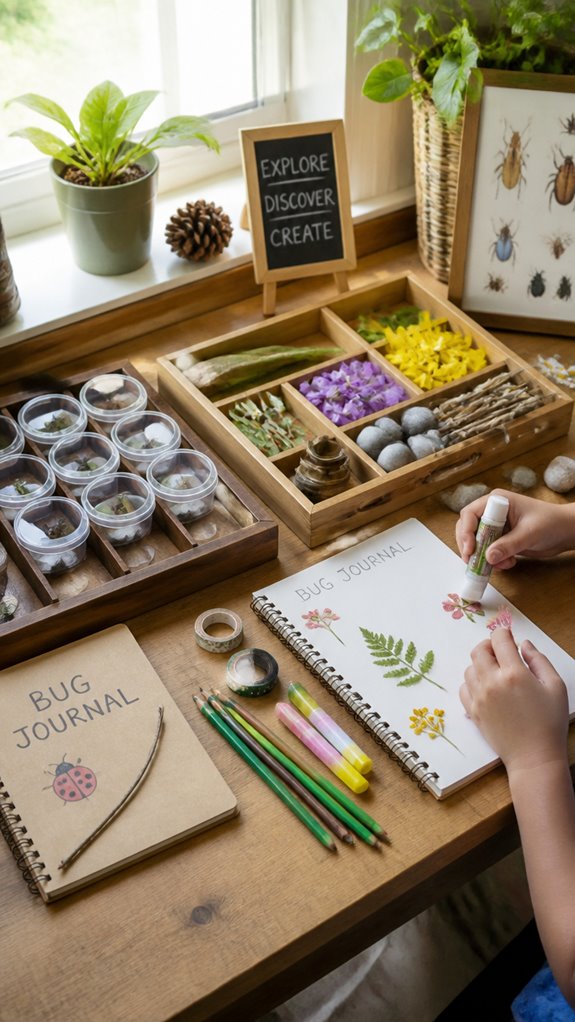
After your exciting bug adventure, it’s time to get creative and make nature crafts and journals that show off what you’ve discovered! Collect safe natural materials like leaves and twigs to craft insect habitats or designs. Use bug journals with sketches, pressed flowers, and colorful stickers to help develop a sense of close observation, imagination, and love for nature’s tiny mysteries!
What Kids’ Books, Videos, and Resources Can Enhance Bug Hunting Fun?
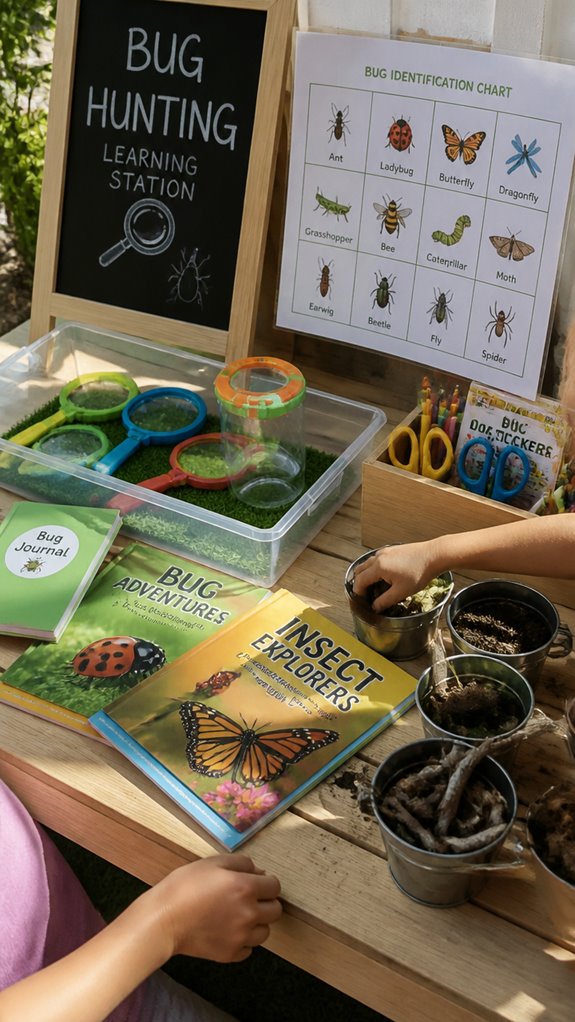
To make bug hunting even more exciting, explore a variety of kids’ books, videos, and resources created to boost your curiosity and knowledge safely. Use educational resources like *The Big Book of Bugs* for bug identification and watch engaging videos with vivid visuals. Interactive apps like “My Bug World” foster interactive learning, turning bug hunts into memorable adventures.
How to Set Up a Continuous Bug Observation Station at Home
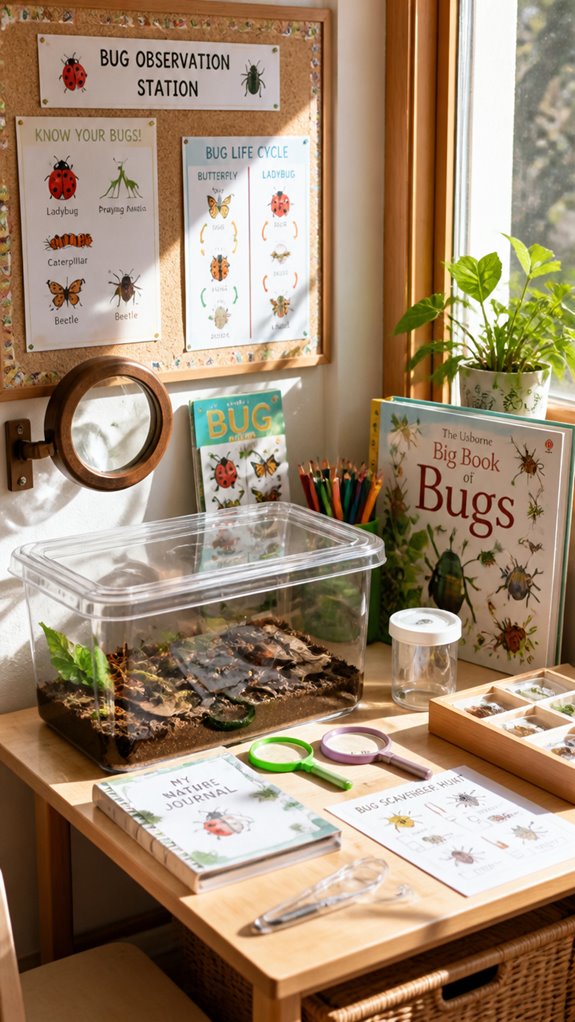
Setting up a bug observation station at home can turn your backyard into a bustling bug city! Choose a safe outdoor spot with plants and logs to create a cozy habitat. Use transparent containers with ventilation for insects, and add little natural decorations. Keep a journal for notes. Check regularly, and gently release bugs to keep your observation station safe and lively!
Why Teaching Respect and Care for Insects Matters
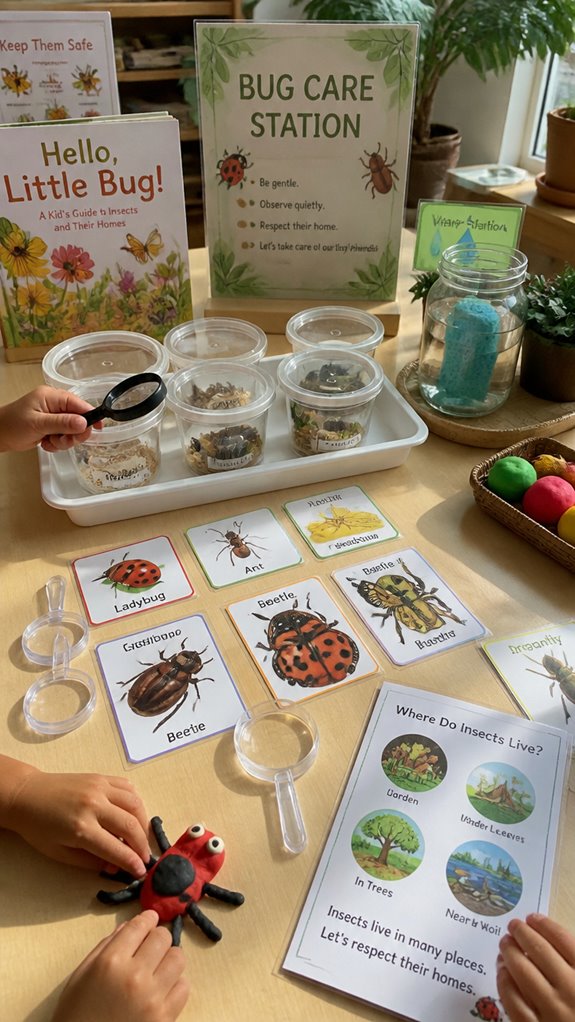
Teaching kids to respect insects is like giving them a superpower, kindness and understanding for tiny creatures that share their world. When you show empathy and care, children learn to handle insects gently, promoting conservation and responsibility. This helps them see insects as friends, understanding their essential role in ecosystems and encouraging lifelong habits of kindness, stewardship, and respect.
How to Make Bug Hunts a Lifelong Outdoor Hobby
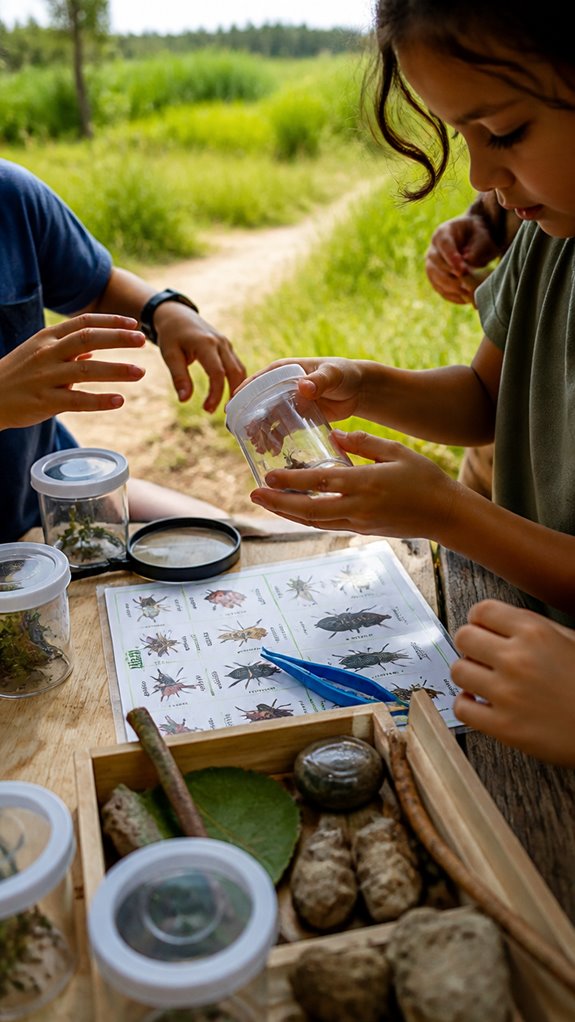
Getting kids excited about bug hunting often means turning it into a regular adventure, like a special treasure hunt outdoors. Use safe, age-appropriate tools to foster confidence and hands-on learning. Consistent bug hunts help children develop a sense of curiosity and wonder, turning exploration into a lifelong passion. As they identify insects and journal discoveries, children develop a deep appreciation for biodiversity.
Final Takeaways
Think of your bug hunt as planting a tiny seed that grows curiosity into a lush forest of wonder. Keep exploring, be gentle with each bug you meet, and watch how your skills blossom like colorful flowers. Respect and patience turn adventures into lifelong habits, like tending a garden that never stops blooming. So, grab your tools, embrace the fun, and let your imagination take flight. Your journey into the insect world is just beginning, happy hunting!